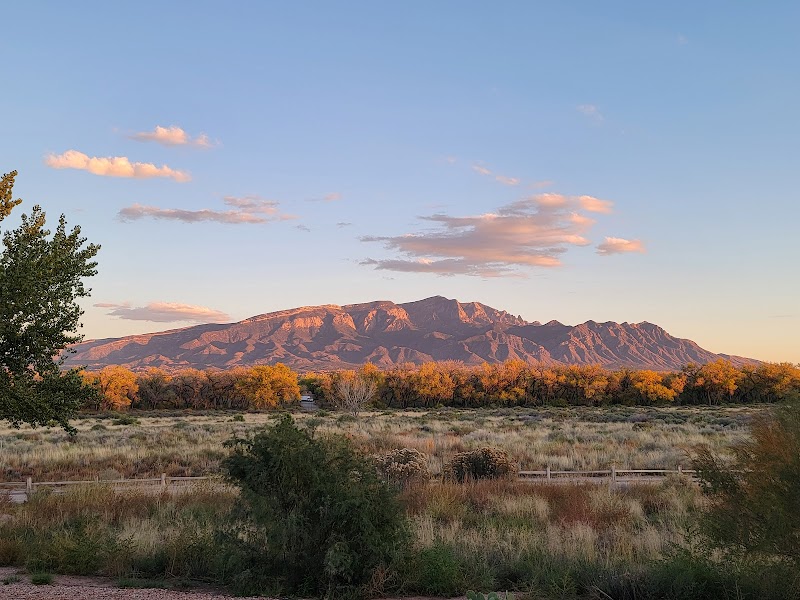
Canchagua Wildlife Refuge wilderness guide
Wildlife Refuge · Guayas

Canchagua Wildlife Refuge

Canchagua Wildlife Refuge is a protected coastal wetland in Ecuador known for its rich biodiversity, especially migratory birds and marine life, offering unique wildlife observation opportunities in a lush estuarine environment.

Wildlife Refuge4,500

Designation

Wildlife Refuge

Total Wilderness Area

4,500

Elevation / Terrain

Diverse Wilderness

Field Editorial Guide

About Canchagua Wildlife Refuge

Canchagua Wildlife Refuge is a protected coastal wetland in Ecuador known for its rich biodiversity, especially migratory birds and marine life, offering unique wildlife observation opportunities in a lush estuarine environment.

Wilderness Landscape & Natural Heritage

Canchagua Wildlife Refuge is a vital protected area located along Ecuador's Pacific coast in the Guayas province. This refuge covers extensive mangrove ecosystems, coastal wetlands, estuaries, and tidal channels that serve as critical habitat for a wide variety of species. The refuge is recognized primarily as an important stopover site for migratory birds traveling along the Pacific Flyway, making it a premier destination for birdwatchers. It supports populations of shorebirds, herons, pelicans, and other waterfowl, alongside a rich array of marine species including crabs, fish, and mollusks. The mangrove forests serve as nurseries for many economically and ecologically important fish and shellfish species. Canchagua is also home to threatened species such as the American Crocodile and the Neotropical Otter. The refuge offers visitors opportunities for wildlife viewing, guided tours, and educational programs that highlight the importance of coastal preservation. Though it is not developed for extensive recreational activities like hiking or camping, its remote and tranquil wetlands provide an invaluable natural experience for ecotourists and researchers. The refuge plays a crucial role in sustaining local fisheries and protecting watersheds. Its combination of geographic features—mangroves, estuaries, and tidal flats—creates a mosaic of habitats that support impressive biodiversity. Conservation efforts focus on combating habitat loss from nearby urban development and pollution, ensuring the long-term viability of this unique coastal ecosystem.
Field Guide · Wildlife Refuge
Adventure Destinations

Notable Destinations Near Canchagua Wildlife Refuge

Scenic viewpoints, outdoor landmarks, and notable points of interest within 60 miles.

Key Wilderness Highlights

✦ Extensive mangrove forests supporting diverse marine and bird life✦ Critical stopover habitat for migratory shorebirds on the Pacific Flyway✦ Nursery grounds for economically important fish species✦ Opportunity to observe rare species such as American Crocodile and Neotropical Otter
Wilderness Recreation

Outdoor Adventures in Canchagua Wildlife Refuge

Explore curated guides for top outdoor sports, trail networks, and wilderness activities.

Park Recreation

Wildlife Viewing

Available in Canchagua Wildlife Refuge
Park Recreation

Birdwatching

Available in Canchagua Wildlife Refuge
Park Recreation

Photography

Available in Canchagua Wildlife Refuge
Park Recreation

Ecotourism

Available in Canchagua Wildlife Refuge
Park Recreation

Environmental Education

Available in Canchagua Wildlife Refuge
The Ranger Station

Visitor Logistics & Essential Planning

Everything you need to know about entrance passes, seasons, visitor centers, road transit, and wildlife safety in Canchagua Wildlife Refuge.

Passes & Fees

Entrance Requirements & Interagency Passes

Free access; guided tours are recommended but not mandatory.

Wilderness Checklist

Carry paper topographic map & compass in remote zones.
Store all food and scented items in approved bear canisters.
Check wildfire / smoke advisories before backcountry departure.
Pack out everything you pack in (Leave No Trace).
Adventure Basecamps

Gateway Towns Near Canchagua Wildlife Refuge

Stay, dine, and gear up in these mountain towns and scenic basecamps surrounding the park.

Guayaquil, Guayas
⌖ 20.92 miles
Gateway Basecamp

Guayaquil, Guayas

Guayaquil blends urban energy with outdoor adventures along the Guayas River and nearby mangrove forests. It’s ideal for paddling, biking, birdwatching, and easy hikes near the coast in a tropical setting.

December to April
Explore Town
Guayaquil, Guayas Province
⌖ 20.92 miles
Gateway Basecamp

Guayaquil, Guayas Province

Guayaquil offers outdoor lovers a mix of urban hiking, river paddling, and birdwatching amid tropical warmth. Explore waterfront parks, mangroves, and cultural landmarks for an active and scenic adventure.

Dry season (June to December)
Explore Town
Daule, Guayas
⌖ 29.07 miles
Gateway Basecamp

Daule, Guayas

Daule is a riverside town in Guayas, Ecuador, perfect for paddling, birdwatching, and cycling through calm wetlands and rural landscapes. Ideal during the dry season, it offers quiet adventure paired with rich local culture.

Dry season (June to December)
Explore Town
Playas, Guayas
⌖ 31.23 miles
Gateway Basecamp

Playas, Guayas

Playas is a popular beach town on Ecuador’s Pacific coast known for surfing, paddleboarding, and vibrant local culture. Visitors enjoy sandy shores, fresh seafood, and outdoor adventures in a warm tropical climate.

December to May
Explore Town
Playas, Guayas Province
⌖ 31.23 miles
Gateway Basecamp

Playas, Guayas Province

Playas is a lively beach town in Guayas Province known for warm sands, kite surfing, and paddleboarding. Its coastal trails, fresh seafood, and friendly vibe make it a top spot for water lovers and outdoor adventurers.

June to December (Dry Season)
Explore Town
Yaguachi, Guayas
⌖ 35.05 miles
Gateway Basecamp

Yaguachi, Guayas

Yaguachi is a quiet riverside town in Ecuador’s Guayas province offering gentle hiking, kayaking, and bird watching along peaceful waterways. Ideal for travelers seeking rural nature and local culture off the main coast route.

December to May
Explore Town