Wilderness Landscape & Natural Heritage
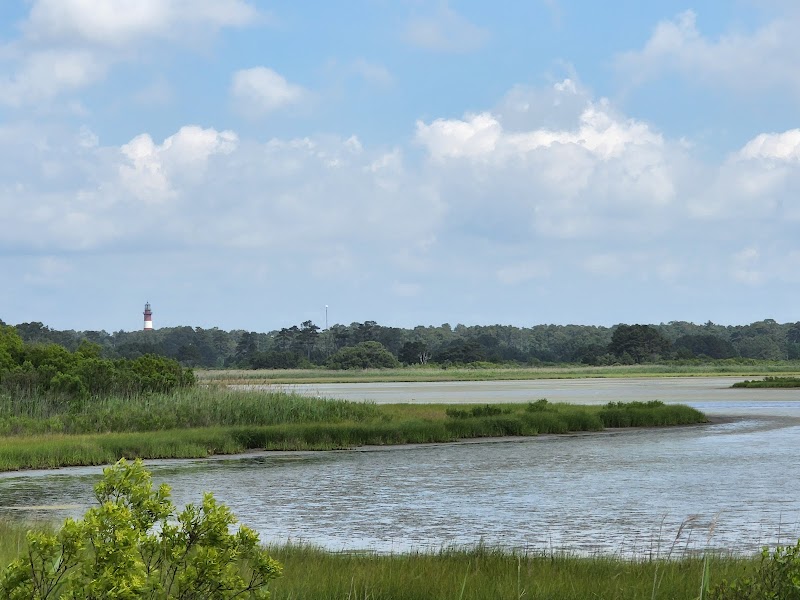
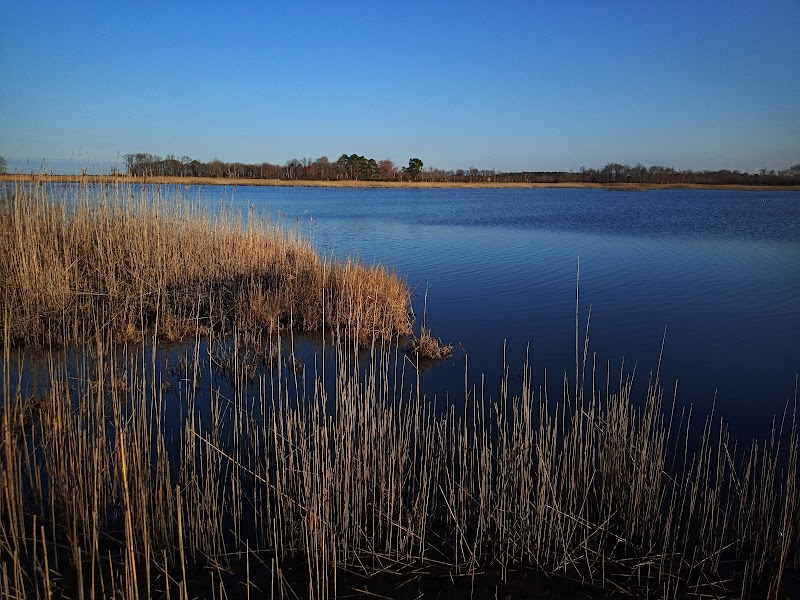
Cape May National Wildlife Refuge, located at the southern tip of New Jersey, conserves over 11,000 acres of diverse habitats including wetlands, forests, salt marshes, and sandy beaches. Established in 1947, the refuge plays a vital role in preserving critical migratory bird stopover habitats along the Atlantic Flyway. The area features tidal marshes and ponds that support waterfowl, shorebirds, raptors, and other wildlife species. Its combination of freshwater and saltwater environments provides important breeding grounds for fish, amphibians, and invertebrates. Visitors can experience scenic trails, observation decks, and the Bookers Mill Visitor Center, which offers interpretive exhibits about the refuge’s ecology and wildlife. Popular activities include birdwatching—especially during spring and fall migrations when tens of thousands of birds pass through—the refuge’s many trails inviting nature walks, and seasonal hunting under regulated programs. It features several introduced trails like the Red Oak Loop Trail that winds through mature hardwood forest and wetlands, providing opportunities to observe songbirds, deer, and amphibians. The refuge is also adjacent to nearby coastal towns and beaches, making it a convenient natural retreat. Its combination of habitats, wildlife diversity, and accessible facilities make Cape May National Wildlife Refuge a key conservation site and appealing destination for outdoor enthusiasts and nature photographers.