Wilderness Landscape & Natural Heritage
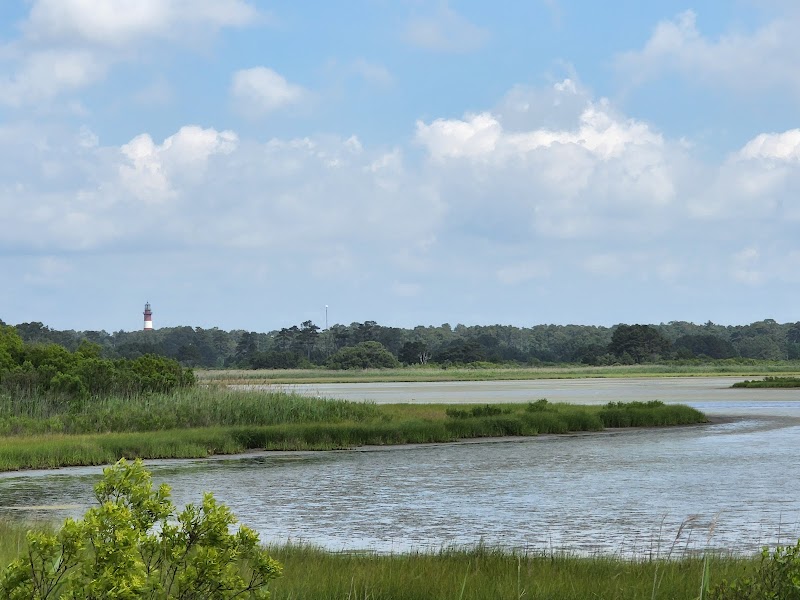
Fisherman Island National Wildlife Refuge is located in Virginia, at the southernmost tip of the Delmarva Peninsula where the Chesapeake Bay meets the Atlantic Ocean. The refuge consists primarily of Fisherman Island, a sandy barrier island characterized by dunes, salt marshes, beach strands, and coastal forests. This unique island environment plays a vital role in protecting the Chesapeake Bay's estuarine ecosystem by acting as a natural buffer against storms and erosion. Established in 1970, the refuge is managed by the U.S. Fish and Wildlife Service and is part of the Eastern Shore of Virginia National Wildlife Refuge Complex. It serves as an important stopover for migratory birds on the Atlantic Flyway, especially shorebirds and waterfowl. Numerous species such as piping plovers, American oystercatchers, and various species of terns nest here during spring and summer. The refuge's remote location and fragile habitat restrict public access, and it is primarily managed for wildlife conservation rather than recreational use. Due to its isolation, there are no developed trails, campgrounds, or visitor facilities, which helps preserve its critical habitat. Access is limited and by permit only for research or refuge management activities. Fisherman Island provides outstanding opportunities for bird watching and coastal habitat research. Its undisturbed natural state also makes it an important site for studying coastal processes, sea-level rise, and the impacts of climate change on barrier islands.