Wilderness Landscape & Natural Heritage
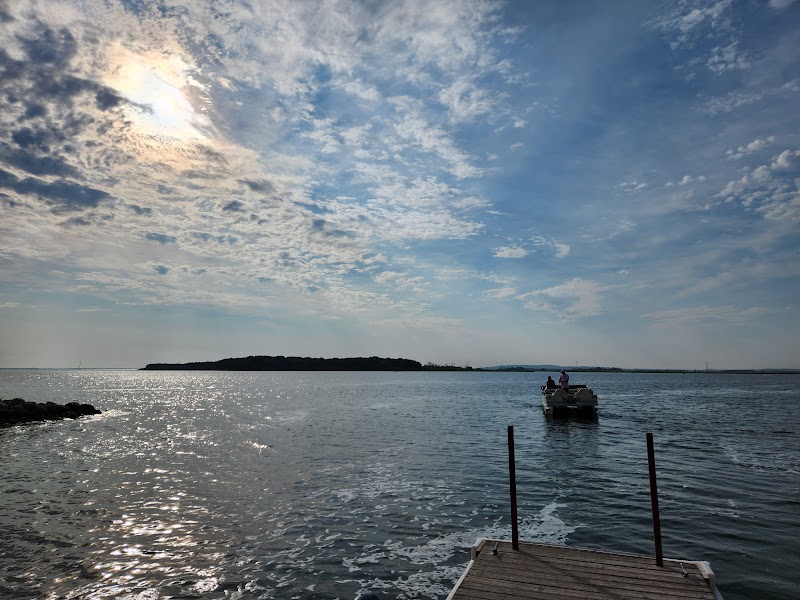
Established in 1939, Jamestown National Wildlife Refuge is located along the James River in Stutsman County, North Dakota. The refuge encompasses a rich combination of wetlands, grasslands, and forested areas designed to support migratory birds, waterfowl, and a variety of other wildlife. The centerpiece of the refuge is the Jamestown Reservoir, providing critical habitat for resident and migratory species. The refuge lies within the Prairie Pothole Region, an important breeding ground for North American waterfowl. Key habitats include marshes dominated by cattails and other emergent vegetation alongside open water and upland grasslands.
Visitors to Jamestown NWR enjoy a thriving bird population including mallards, Canada geese, western grebes, and occasionally bald eagles and owls. The refuge also supports mammals such as whitetail deer, coyotes, and river otters. Outdoor recreation options include hiking on multiple trails, wildlife photography, canoeing/kayaking in designated areas, and seasonal waterfowl hunting permitted under regulation. The James River Wildlife Observation Site provides a notable location for viewing waterfowl and other shorebirds.
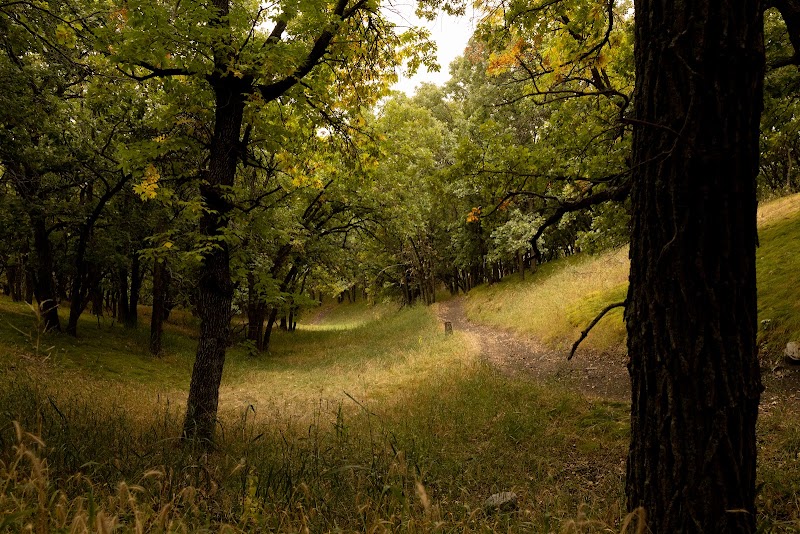
Jamestown NWR features interpretive programs and a visitor center that enhances understanding of the local ecosystems and conservation efforts. Trails vary from easy loop walks to longer nature routes that pass through mixed habitats. The refuge serves as an educational and recreational resource attracting visitors interested in natural history, birding, and quiet outdoor experiences in the Northern Plains. Its proximity to the city of Jamestown makes it accessible while still offering tranquil natural settings.