Wilderness Landscape & Natural Heritage
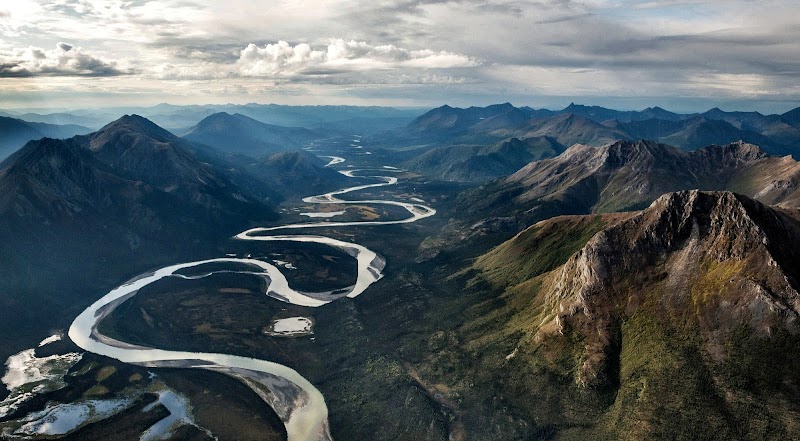
Kanuti National Wildlife Refuge spans over 1.4 million acres in interior Alaska, making it one of the largest and most remote wildlife refuges in the state. The refuge encompasses a diverse landscape dominated by boreal forests, wetlands, rivers, and lakes that support a wide variety of flora and fauna. Established in 1980, Kanuti protects critical habitat for caribou herds, moose, black and grizzly bears, wolves, and numerous migratory bird species, including waterfowl and raptors. The refuge lies within the Yukon Flats region and is characterized by flat to gently rolling terrain marked by a network of braided streams and muskegs. Outdoor enthusiasts visiting Kanuti can enjoy wildlife viewing, subsistence hunting, fishing, and backcountry exploration. Because of its remoteness and limited infrastructure, visitor access is primarily by floatplane or by river travel, which makes for a true wilderness experience. The refuge has no developed trails or campgrounds, emphasizing solitude and primitive recreation. Its waters offer excellent fishing for northern pike, Arctic grayling, and other freshwater species. The area also plays a crucial role in endangered species conservation and protecting Alaska’s natural heritage. Due to its isolated location and fragile ecosystem, visitors are encouraged to be well-prepared and respectful of the natural environment. Kanuti offers a unique opportunity to experience untouched Alaskan wilderness, abundant wildlife, and the serene beauty of the boreal forest and Arctic river systems.