Wilderness Landscape & Natural Heritage
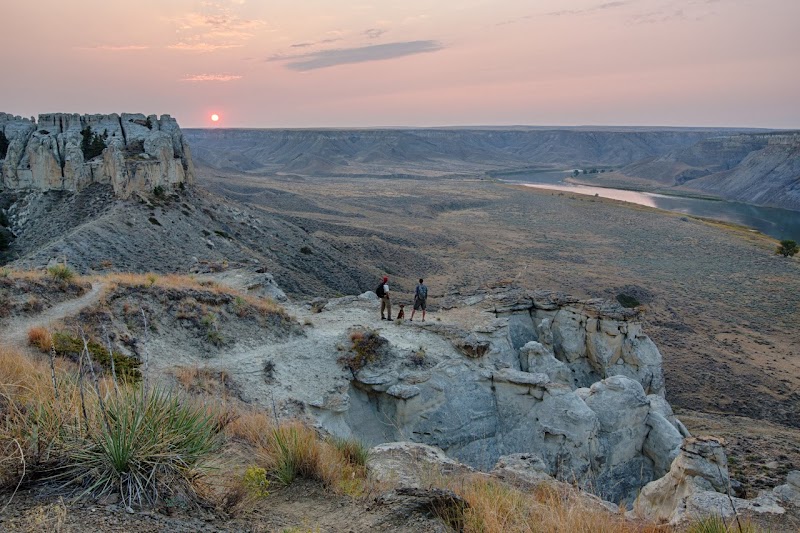
Established in 1936, Lake Bowdoin National Wildlife Refuge spans over 16,000 acres of wetlands, grasslands, and associated uplands in Phillips County, Montana. The refuge centers around Lake Bowdoin, a natural shallow saline lake that provides essential habitat for waterfowl and shorebirds, especially during migration seasons. This area supports diverse wildlife, including migratory species such as white-faced ibis, American avocets, and various ducks and geese. Additionally, the refuge provides habitat for mammals such as mule deer and pronghorn antelope. The landscape includes grassland prairies, wetlands, and alkali flats that sustain a variety of plant communities adapted to dry and saline conditions. Visitors to Lake Bowdoin NWR can engage in wildlife viewing, especially birdwatching, photography, and limited hunting in accordance with regulations. The refuge is recognized for its role in conservation of migratory birds under the Migratory Bird Treaty Act and for protecting waterfowl breeding and staging habitat on the Northern Great Plains. Despite the refuge’s relatively remote location, there are several accessible observation points and gravel roads suitable for wildlife viewing by car. Hunting opportunities for waterfowl and upland game birds are managed seasonally and require permits. The refuge’s low visitor volume adds to its appeal for those seeking solitude and natural quiet. Lake Bowdoin NWR provides an important stopover for migratory birds along the Central Flyway and contributes to sustaining regional ecological balance in an otherwise agricultural landscape.