Wilderness Landscape & Natural Heritage
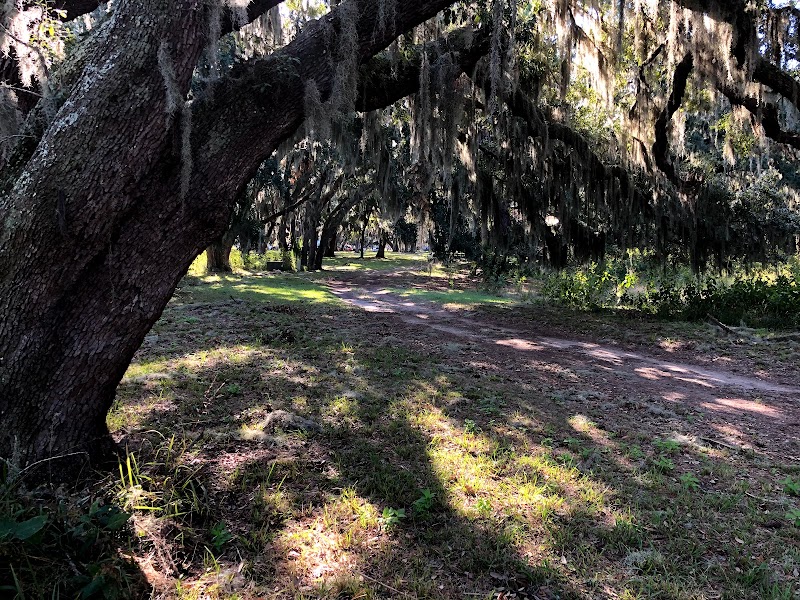
Lumpkin National Wildlife Refuge, established in 1985, spans over 3,124 acres of diverse wetlands and bottomland hardwood forests along the Altamaha River in southeast Georgia. The refuge was created primarily to provide habitat for waterfowl and other migratory birds, contributing to conservation efforts in an increasingly developed region. The landscape features a complex mosaic of forested swamps, oxbow lakes, and riverine corridors, supporting an array of wildlife species including deer, wild turkey, waterfowl, and numerous songbirds. The refuge plays a critical role in protecting the water quality and ecosystem integrity of the Altamaha River basin, one of the largest remaining undammed river systems in the southeastern United States.
Visitors to Lumpkin National Wildlife Refuge can enjoy bird watching, particularly during migration seasons when waterfowl populations peak. The area offers several wildlife observation points and accessible trails that wind through forest and wetland habitats. Seasonal hunting is permitted under managed regulations, making it a favored destination for waterfowl hunters. While the refuge has limited developed recreational infrastructure, its quiet, natural setting provides an excellent environment for photographers and nature enthusiasts. Historic river features and bottomland forest ecology highlight the refuge’s conservation value, making it an important stop for those interested in Georgia's natural heritage.
Overall, Lumpkin National Wildlife Refuge appeals to visitors who appreciate diverse wetland ecosystems, birdwatching, and experiencing a protected section of the Altamaha River corridor. Its strategic location and habitat management efforts contribute to regional wildlife conservation and outdoor recreation opportunities.