Wilderness Landscape & Natural Heritage
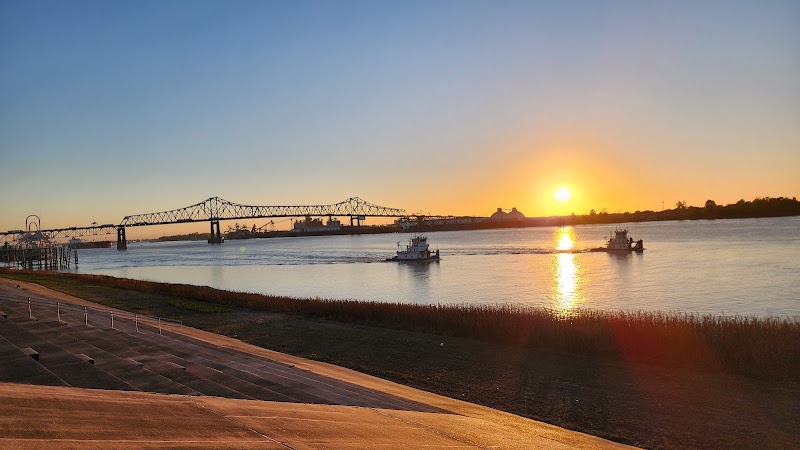
Mark Twain National Wildlife Refuge is a collection of scattered parcels primarily located along the Mississippi River, spanning northeastern Missouri and western Illinois. Established in 1958, its primary purpose is to preserve and restore crucial wetlands and riverine habitats that support migratory birds, fish, and other wildlife species. The refuge encompasses floodplain forests, marshes, backwater lakes, and islands that thrive within the dynamic Mississippi River ecosystem. These diverse habitats create ideal conditions for waterfowl, shorebirds, and numerous migratory songbirds during seasonal migrations, making it a significant stopover site on the Mississippi Flyway. Visitors can experience outstanding birdwatching opportunities, especially during spring and fall migrations, as well as explore the refuge’s rich aquatic environments through fishing and paddling. The refuge’s mosaic of islands and wetlands provides habitat for bald eagles, great blue herons, and several species of ducks and geese. Due to the refuge’s fragmented nature, access is most often by boat, with certain areas reachable via adjacent public lands and trails. Educational programs and wildlife observation platforms are available during peak seasons to help visitors connect with the natural environment. The refuge plays a crucial role in flood control and maintaining water quality along the Mississippi River corridor. Its ongoing habitat management includes controlled flooding, invasive species control, and native vegetation restoration. Mark Twain National Wildlife Refuge offers visitors the chance to witness a dynamic river ecosystem while supporting the conservation of important migratory bird populations and aquatic habitats.