Wilderness Landscape & Natural Heritage
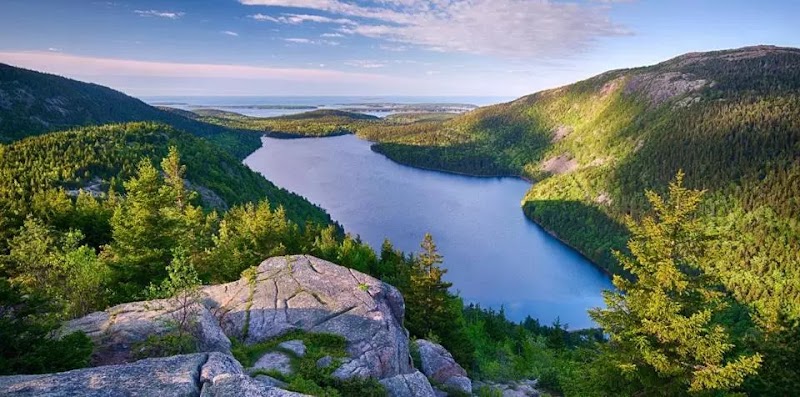
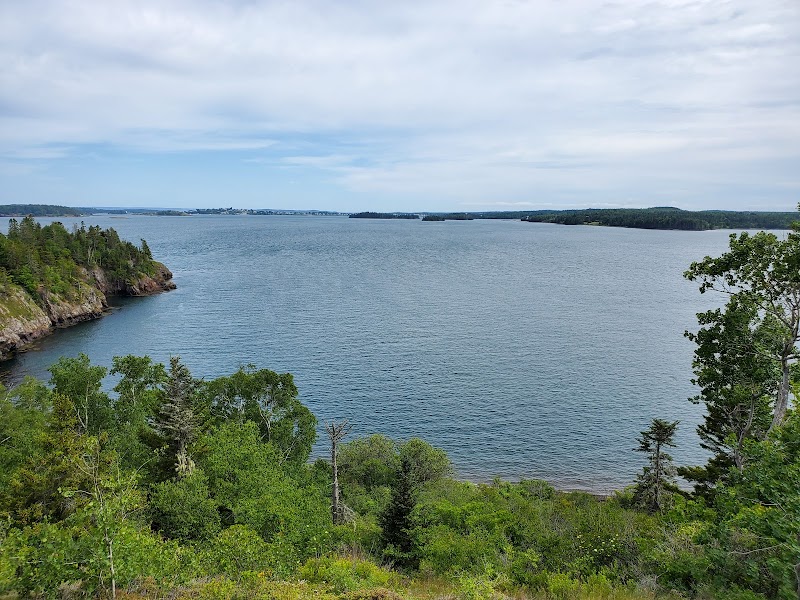
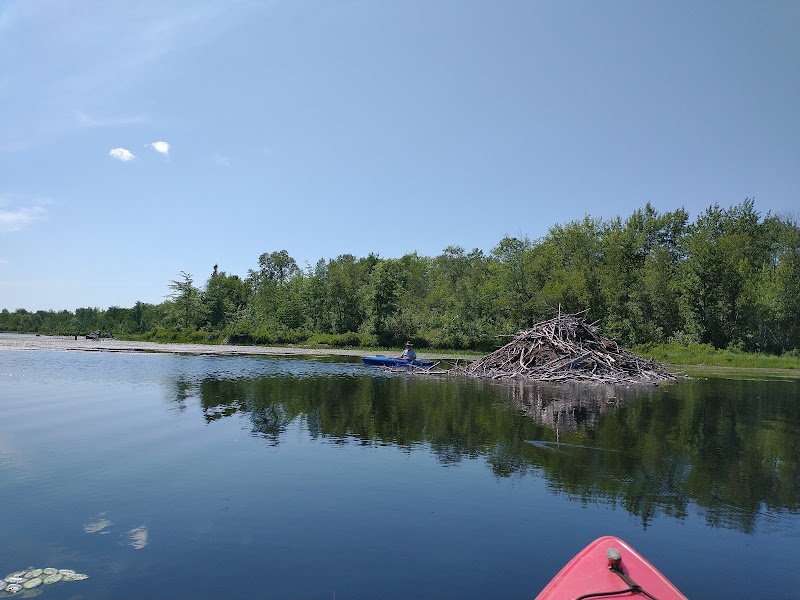
Located in eastern Maine along the U.S.-Canada border, Moosehorn National Wildlife Refuge covers over 38,000 acres and includes a diverse mix of salt marshes, freshwater wetlands, spruce-fir forests, and rivers. Established in 1937 primarily to provide habitat for migratory birds, the refuge is a critical area for waterfowl, moose, black bears, and numerous other species. The refuge lies adjacent to Cobscook Bay, where tidal fluctuations create extensive mudflats that support rich marine ecosystems and serve as feeding grounds for shorebirds. Visitors can explore a variety of habitats through a network of trails and roads suitable for hiking, wildlife observation, and paddling. The refuge is home to several threatened and rare species, such as the bald eagle and Atlantic salmon, highlighting its conservation importance. Notable landmarks include scenic viewpoints overlooking the tidal zones and historic structures connected to the refuge's early management. The refuge’s proximity to charming coastal towns adds cultural appeal for visitors looking to combine nature outings with local heritage. Moosehorn NWR provides year-round opportunities, from vibrant spring bird migrations to quiet winter landscapes, making it a valuable destination for nature enthusiasts and outdoor recreationists alike.