Wilderness Landscape & Natural Heritage
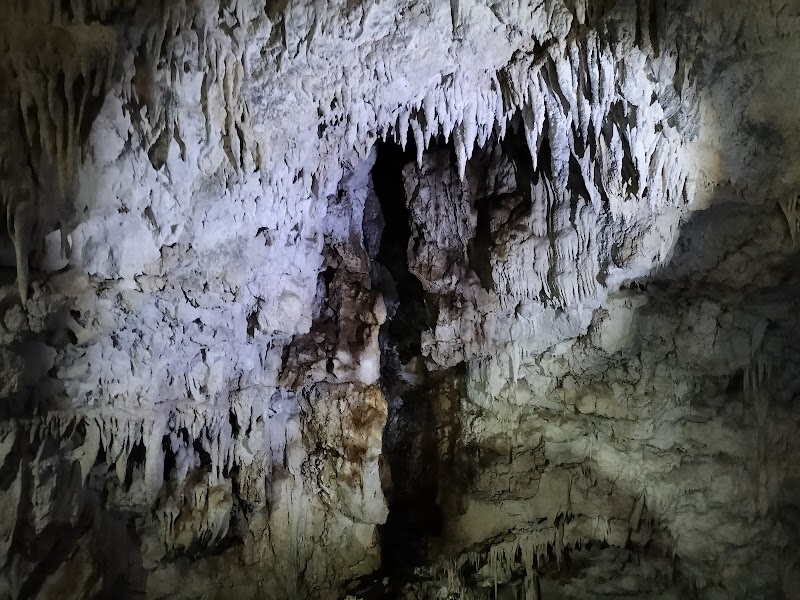
The Nicoya Peninsula, located on the northwestern Pacific coast of Costa Rica, is renowned for its rich ecological diversity, cultural heritage, and scenic coastal landscapes. The protected areas on the peninsula include a combination of national parks, wildlife refuges, biological reserves, and marine protected zones aimed at conserving the region's unique tropical dry forests, mangroves, coral reefs, and marine fauna. Notable protected areas such as Cabo Blanco Absolute Natural Reserve, Curú Wildlife Refuge, and Barra Honda National Park provide critical habitat for endemic species, migratory birds, sea turtles, and marine mammals. The peninsula's geography features rugged coastlines, white sand beaches, limestone caves, and dry forests that thrive during the region’s marked dry season from December to April. Historically, these areas were established to safeguard fragile ecosystems threatened by agriculture, development, and tourism pressures. Today, they attract eco-tourists, researchers, and outdoor enthusiasts who enjoy activities including hiking through tropical forests, snorkeling in coral reefs, observing sea turtles during nesting season, and exploring limestone caves. Key landmarks include the Cabo Blanco Reserve’s well-maintained trails and rich biodiversity, the Curú Refuge’s mix of forest and coastal habitats, and the subterranean cave systems of Barra Honda National Park. The Nicoya Peninsula is also famous as one of the world’s Blue Zones for the longevity of its local population, linked to its pristine environment and active lifestyle. The protected areas encourage responsible ecotourism that supports local conservation and sustainable development efforts.