Wilderness Landscape & Natural Heritage
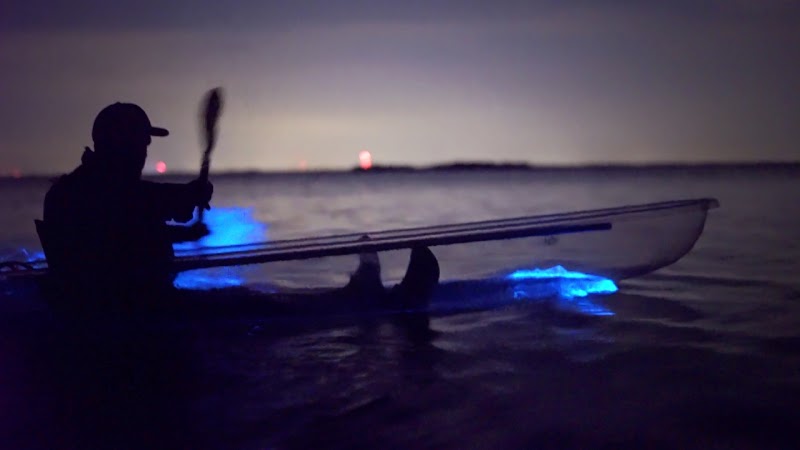
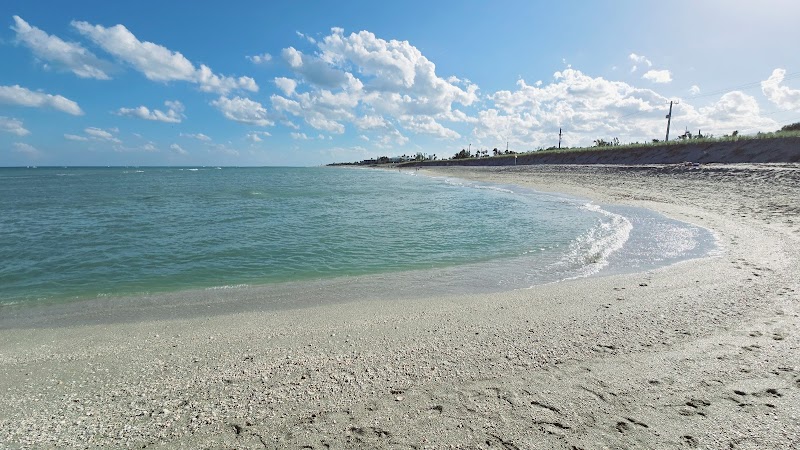
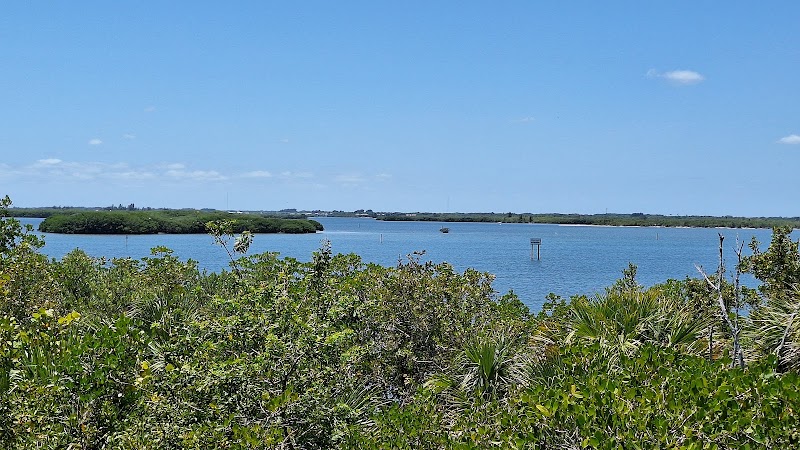
Pelican Island National Wildlife Refuge is a small island refuge located in the Indian River Lagoon along Florida’s east coast near Vero Beach. Covering approximately 5 acres, it was established by President Theodore Roosevelt to protect native bird species from extinction due to extensive plume hunting during the late 19th century. The refuge primarily supports nesting colonies of brown pelicans, herons, egrets, and other waterbirds, serving as an essential sanctuary for these species in a heavily developed coastal region. The island’s mangrove fringe and surrounding estuarine waters support a rich diversity of fish and other wildlife. While direct public access to the island itself is prohibited to protect sensitive habitats and nesting birds, visitors can enjoy excellent birdwatching and wildlife viewing opportunities from boat tours and observation points on the mainland and adjacent waterways. The refuge lies within a larger network of protected waterways that support paddle sports, fishing, and eco-tourism. The historical significance of Pelican Island as the first protected federal refuge established for wildlife conservation marks a key milestone in American environmental history. Its ongoing role in preserving coastal bird populations and supporting habitat restoration efforts makes it a critical area for conservation. Visitors often come to experience scenic boating, bird photography, and educational tours highlighting the rich coastal ecosystem and the legacy of early wildlife protection efforts. Its proximity to Vero Beach also makes it an accessible destination for wildlife enthusiasts and educators exploring Florida’s unique estuarine environments.