Wilderness Landscape & Natural Heritage
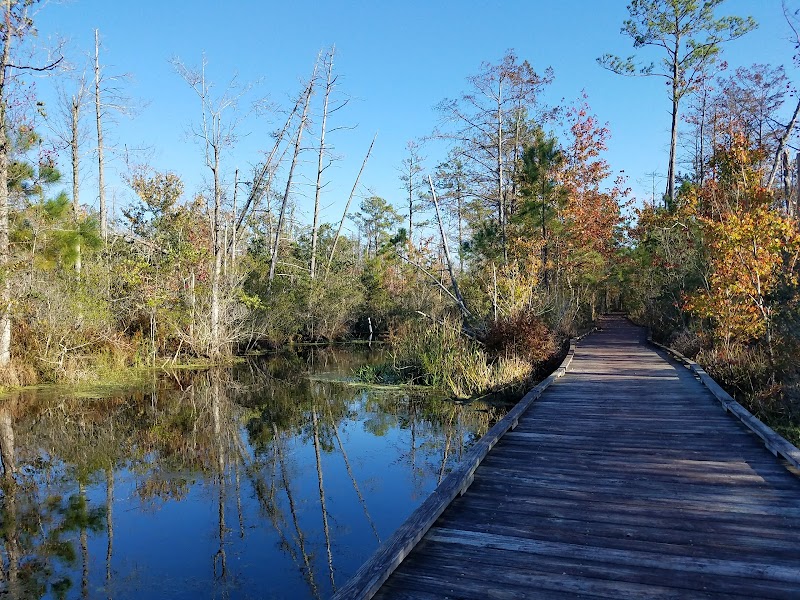
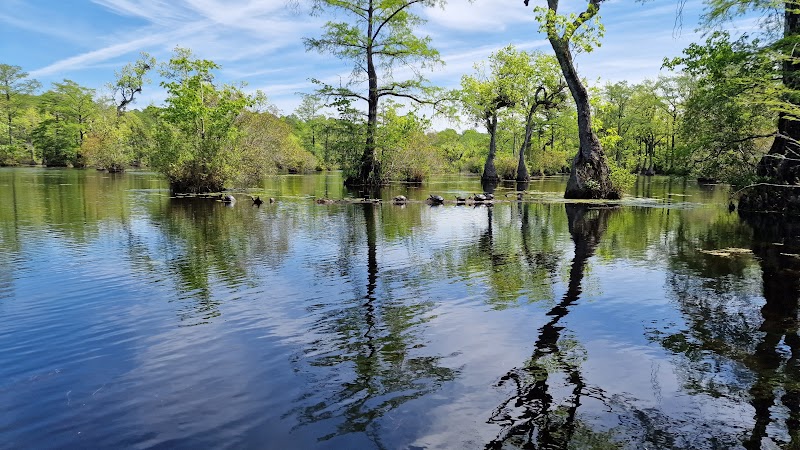
Located primarily in northeastern North Carolina and extending into southern Virginia, the Roanoke River Wetlands encompass diverse floodplain forests, oxbow lakes, and freshwater marshes along the lower Roanoke River. These wetlands are part of the Roanoke River National Wildlife Refuge complex and provide essential habitat for numerous species, including bald eagles, great blue herons, river otters, and various migratory waterfowl. The refuge preserves bottomland hardwood forests, which play a critical role in water filtration, flood control, and carbon sequestration. Historically, this region supported Native American communities and later saw extensive timber and agricultural use before conservation efforts began in the late 20th century to protect remaining wetland ecosystems. Outdoor recreation opportunities include canoeing and kayaking through quiet sloughs, fishing for largemouth bass and catfish, hiking boardwalk trails that traverse the wetlands, and abundant wildlife viewing, especially during migration seasons. Notable landmarks include Heron Pond, known for its diverse waterfowl, and several observation decks offering panoramic views of the river's floodplain. Visitors are drawn to the peaceful setting and the chance to explore one of the largest bottomland hardwood ecosystems still intact in the southeastern United States. The refuge’s wetlands also support threatened and endangered species such as the yellow lampmussel and the dwarf wedgemussel, making it a key area for conservation and ecological research.