Wilderness Landscape & Natural Heritage
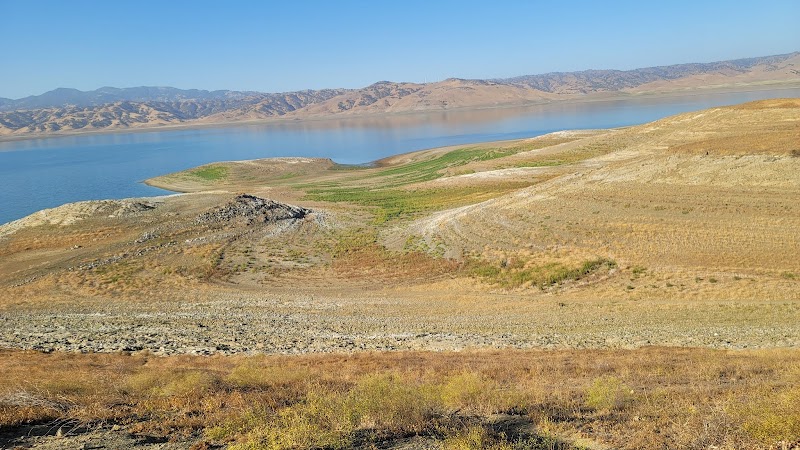
San Luis National Wildlife Refuge is located in the northern San Joaquin Valley of California and forms part of the Pacific Flyway, a major bird migration corridor. Spanning over 26,000 acres, the refuge consists primarily of managed wetlands, riparian zones, grasslands, and seasonal ponds. It was established in 1966 to provide critical habitat for migratory shorebirds, waterfowl, and various endangered species. The refuge supports diverse wildlife including tule elk, sandhill cranes, and giant garter snakes. Water management plays a key role in maintaining healthy wetland ecosystems in this historically altered valley landscape. Visitors to San Luis can experience controlled access hiking trails and boardwalks through wet habitats that afford excellent birdwatching from fall through spring when migratory populations peak. The refuge is also a popular location for nature photography and environmental education. Ranger-led programs and visitor facilities provide insights into local ecology and conservation efforts. San Luis serves as an important natural refuge within an urbanizing region and offers a peaceful outdoor setting for those interested in wildlife observation, outdoor learning, and quiet exploration. Nearby, the adjacent Merced National Wildlife Refuge expands these protected wetland habitats, enhancing regional conservation connectivity. Despite its flat terrain, the refuge presents engaging opportunities to observe seasonal wetlands transform with the migratory cycles of numerous species. Visitors should plan for seasonal variations in water levels and wildlife presence to make the most of their experience.