Wilderness Landscape & Natural Heritage
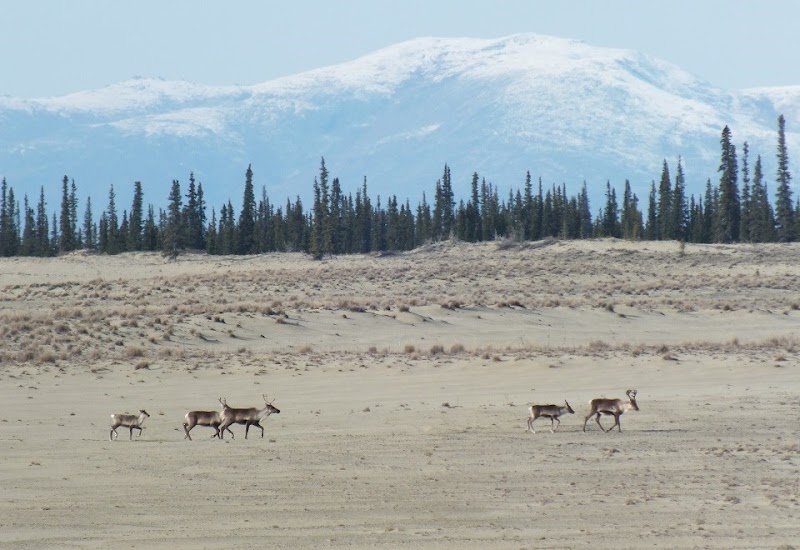
Located in northwestern Alaska, Selawik National Wildlife Refuge encompasses over 3.4 million acres of tundra, wetlands, and boreal forest. It serves as an important habitat for migratory birds, caribou, muskoxen, and various fish species. The refuge includes the Selawik River and portions of the Kobuk River watershed, featuring vast wetlands and interconnected lakes. The area was designated in 1980 to conserve critical ecosystems supporting traditional subsistence lifestyles of Alaska Native communities, including the Inupiat. Outdoor recreation is primarily centered on wildlife observation, fishing, and boating, though the remote and undeveloped nature of the refuge means access is mainly by air or water. Visitors have a chance to spot waterfowl such as tundra swans and various species of geese, as well as mammals like moose and wolves. The landscape offers expansive views of Arctic tundra and boreal forest, alongside pristine rivers and lakes. While the refuge lacks developed trail systems and campgrounds, its wilderness character appeals to experienced adventurers seeking solitude and nature-based activities. The refuge also supports research and conservation efforts to protect sensitive wildlife populations and habitats amid changing Arctic conditions. Seasonal changes bring dramatic shifts—from endless daylight and mosquito swarms in summer to extended darkness and snow cover in winter.