Wilderness Landscape & Natural Heritage
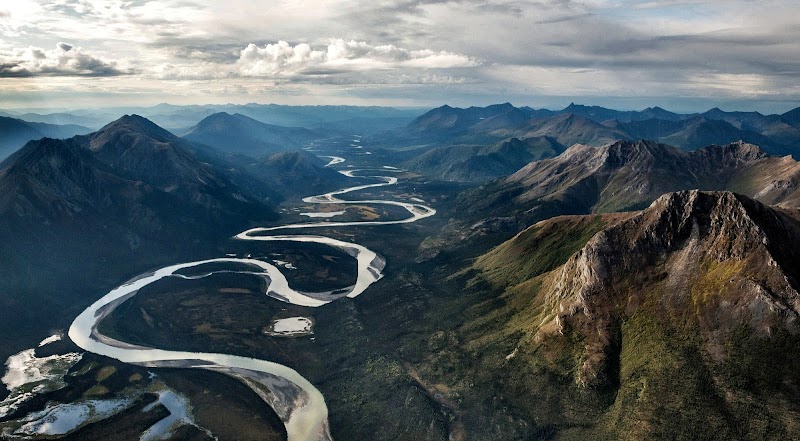
St. Lawrence Island Wildlife Refuge encompasses most of St. Lawrence Island, located in the Bering Sea approximately 150 miles southwest of mainland Alaska. The island spans roughly 90 miles long and 22 miles wide, characterized by tundra plains, rolling hills, and extensive wetlands. The refuge safeguards critical habitat for migratory birds including snow geese, spectacled eiders, and various shorebirds making it a vital breeding and molting ground. Marine mammals such as walruses, seals, and whales can be observed along the island’s coastal areas. The island holds significant cultural importance for the Siberian Yupik people, with archaeological sites dating back thousands of years, including traditional hunting camps and village remains. Visitors come primarily for wildlife viewing, photography, subsistence hunting (by local residents), and to experience the stark beauty and quiet of the Arctic environment. Access is mainly by air or charter boat from Nome, Alaska, and travel within the island requires careful planning due to the lack of developed infrastructure and rough terrain. The refuge is managed by the U.S. Fish and Wildlife Service and emphasizes preservation of the island’s ecological integrity and cultural heritage. Seasonal extremes, including long, cold winters and brief summers with midnight sun, influence the best times for exploration and wildlife activity.