Wilderness Landscape & Natural Heritage
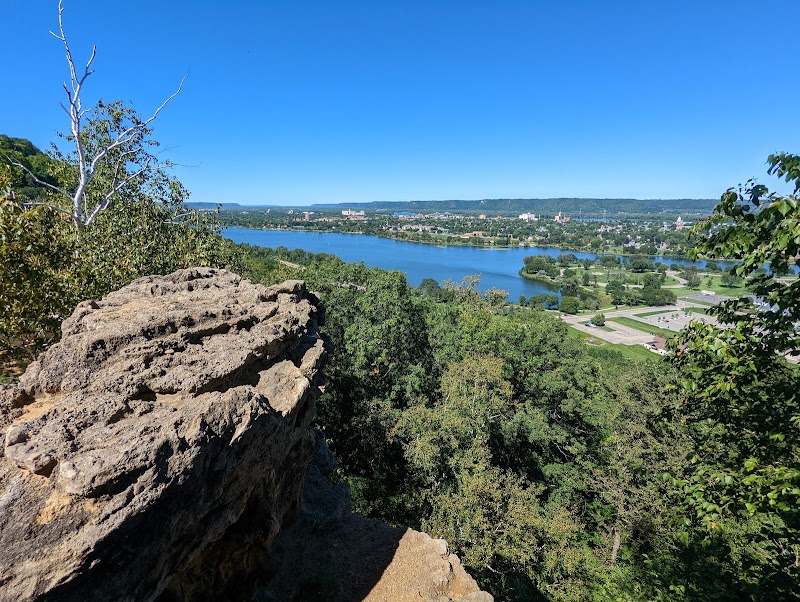
Trempealeau National Wildlife Refuge is situated along the Mississippi River in western Wisconsin, comprising approximately 6,226 acres of wetlands, forests, and floodplain habitats. The refuge contains unique landscapes shaped by river backwaters, islands, sloughs, and bottomland forests. It provides critical habitat for a broad range of wildlife, especially migratory waterfowl, shorebirds, and other wetland-dependent species. Established in 1936, the refuge was created to protect migratory waterfowl populations and preserve floodplain ecosystems that were rapidly disappearing due to agriculture and development. The refuge features a mix of natural softwood swamps, hardwood forests, moist meadows, and mudflats, which attract large populations of white-tailed deer, beaver, river otters, and over 260 bird species including great blue herons, bald eagles, and several species of ducks and geese during migration seasons. Visitors can enjoy multiple hiking trails that wind through the floodplain forests and along the river, offering excellent wildlife viewing and photography opportunities. Seasonal canoeing and kayaking in the refuge’s backwaters provide unique perspectives on its ecosystems. The refuge has observation decks and interpretive signs to enhance the visitor experience. Due to its location on the Mississippi Flyway, Trempealeau NWR is particularly favored by birders during spring and fall migrations. Its relatively flat terrain and well-maintained trails make it accessible to families and casual explorers. The refuge is vital for ecosystem restoration efforts and offers environmental education programs to promote conservation awareness.