Wilderness Landscape & Natural Heritage
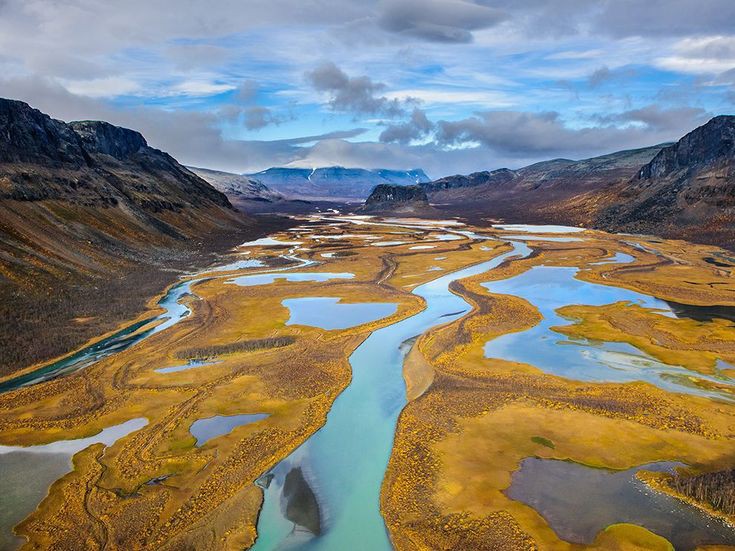
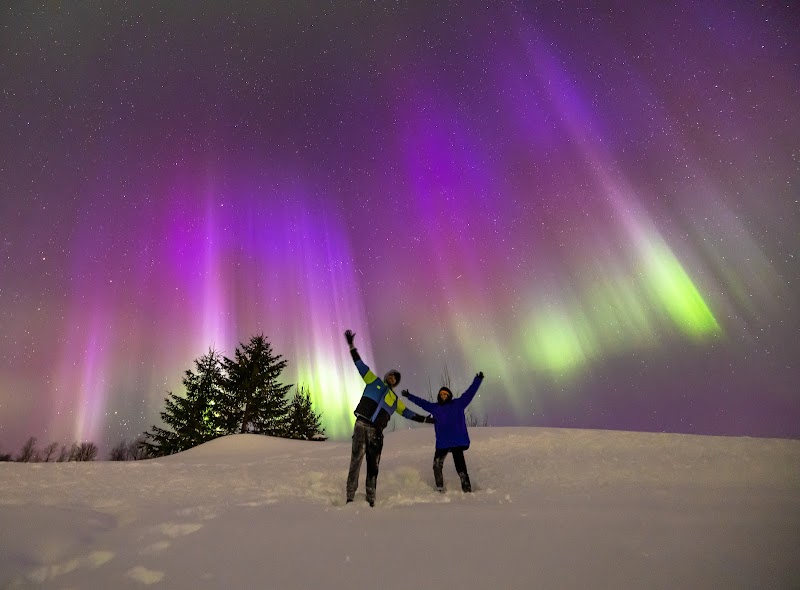
The Laponian Area World Heritage Site covers approximately 9,400 square kilometers in northern Sweden, spanning parts of Norrbotten and Västerbotten counties. It includes a collection of national parks and nature reserves such as Sarek, Padjelanta, Stora Sjöfallet, and Muddus National Parks, as well as several wilderness areas. This large protected landscape is characterized by its alpine mountain ranges, extensive forests, deep valleys, wetlands, and numerous lakes and rivers. Ecologically, it supports diverse habitats with species including reindeer, Eurasian lynx, wolverine, brown bear, and golden eagle. The area is also a core site for the indigenous Sami people, whose traditional reindeer herding, fishing, and hunter-gatherer practices continue to shape the cultural landscape. Outdoor recreation here focuses on hiking, long-distance trekking, fishing, wildlife viewing, and paddling, with opportunities to experience some of Europe's most remote and wild natural environments. Notable landmarks include the rugged peaks of the Sarek National Park with over 200 peaks above 1,500 meters, the vast wetlands of Padjelanta, and the dramatic waterfalls of Stora Sjöfallet. Visitors come for solitude, wilderness challenge, and cultural insights, often accessing the area via Kungsleden, the famous northern long-distance trail. The region offers pristine night skies for stargazing, including northern lights displays in winter. The Laponian Area is a unique fusion of nature and living culture, representing an extensive wilderness preserved alongside active Indigenous livelihoods.