Adventure brief
Night Time Manta Magic Snorkel
Drift beneath a starry Hawaiian sky as giant manta rays loop and feed in illuminated water. This 2.5-hour night snorkel off Kailua-Kona is cinematic, intimate, and unforgettable—bring reef-safe sunscreen and a sense of wonder.
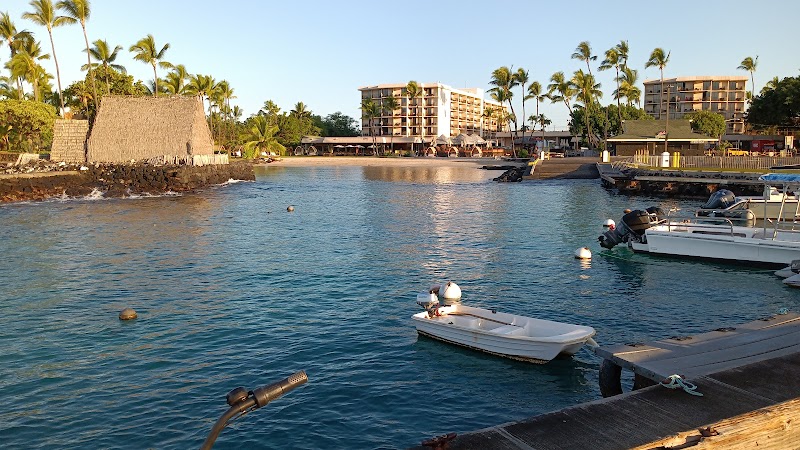
On the Kona coast of Hawaii’s Big Island, just off Kailua-Kona, the Night Time Manta Magic Snorkel offers a rare, electric encounter with giant manta rays. For 2.5 hours participants slip into warm Pacific water at sunset, drawn to a patch of ocean lit from beneath. The glow comes from dive lights that attract plankton, the tiny animals that mantas feed on, and within minutes the flat, winged silhouettes of manta rays begin to circle and somersault through the illumination.
This tour takes place along the volcanic coastline of Kailua-Kona, where black lava rock shelves drop quickly into deep water and reef fingers create concentrated feeding lanes. The contrast of jagged pahoehoe and a night sky full of stars frames each pass; you float with a headlamp and breath, watching mantas use cephalic lobes to funnel food into wide mouths. These rays, with wingspans reaching 12–15 feet, feel like living kites—silvery undersides marked with unique spot patterns that guides use to identify individuals.
What makes this experience stand out is the intimacy and immediacy: you’re not behind glass or on a distant viewing platform. Guides position the boat to anchor near natural canyon drops where currents bring plankton-rich water close to the surface, and trained staff manage underwater lights to create a feeding stage while prioritizing the animals’ welfare. The Kona manta interaction is a distinct local phenomenon, shaped by the island’s volcanic topography and nutrient flows; it has become one of the Pacific’s premier wildlife tourism draws.
Expect clear, calm water most nights, warm temperatures year-round, and a communal hush broken only by the soft rush of wings through water. This trip suits swimmers comfortable in the ocean and anyone curious about marine life; it’s educational as well as cinematic—guides typically share natural history and identification notes while you float. Practical notes: the outing lasts about 2.5 hours, bring a reef-safe sunscreen, and double-check whether gear or wetsuits are supplied.
Respect distance rules, avoid flash photography in the water, and follow guides’ instructions to keep the interaction safe for both humans and mantas. Whether you’re a first-time snorkeler or a veteran naturalist, the Night Time Manta Magic Snorkel turns the dark sea into a theater where enormous, elegant animals write arcs of light against the night. Tours run year-round from Kailua-Kona and are typically suitable for ages 4 and up.
Check the listing for meeting-point details and whether children need extra flotation. Wear reef-safe sunscreen, a light top over your suit, and keep long hair tied. If you feel chilly, a thin wetsuit or vest helps without limiting movement.
Many visitors pair the night swim with daytime snorkeling at Kahaluʻu Bay or a boat trip to Kealakekua Bay and exploration.
Adventure tips
Plan your experience.
Curated tips for an optimal adventure.
- 01Check age and meeting detailsessential
This tour lists ages 4+; confirm meeting-point and child flotation requirements before booking.
- 02Use reef-safe sunscreenwarning
Apply reef-safe sunscreen before boarding to protect coral and marine life—reapply on the boat as needed.
- 03Secure your mask and hairinfo
Tighten your mask strap and tie back long hair; the mantas’ graceful turns are best enjoyed with an unobstructed view.
- 04Mind buoyancy and distanceessential
Keep neutral buoyancy and follow guides’ positioning to avoid startling the animals; do not chase or touch mantas.
Recommended gear
What to bring.
Mask & snorkel
A well-fitting mask and snorkel increase comfort and visibility during the night swim.
EssentialReef-safe sunscreen
Protects coral and marine life while keeping skin safe in warm, tropical conditions.
EssentialThin wetsuit or neoprene vest
Adds warmth on windier or cooler nights without restricting movement in the water.
Waterproof camera / GoPro
Capture silhouettes and feeding arcs—use guide approval and avoid flash while in the water.
Local insights
Context for the journey.
Nearby secrets
Kahaluʻu Bay for daytime snorkeling and easy reef access, Kealakekua Bay and the Captain Cook Monument for clear water and marine life
Local fauna
Giant manta ray (Manta birostris), Spinner dolphins and green sea turtles frequently seen in Kona waters
Historic heritage
Kona’s night manta swims developed as a popular ecotourism activity as guides learned to attract plankton-rich currents near lava-formed drop-offs, creating reliable feeding displays.
Mindful exploration
Operators follow strict no-touch rules and lighting protocols; visitors should use reef-safe sunscreen and avoid feeding or harassing wildlife to minimize impact.
Photography tips
Capture the moments
- Viewpoints
- Boat deck near the stern for whole-animal silhouettes, In-water just beside the light ring for close-up feeding arcs, Surface position with the coastline and stars as a background
- Subjects
- Manta feeding loops and cephalic lobes, Bioluminescent plankton around the lights, Starry Kona sky and volcanic coastline silhouettes
- Best times
- Blue hour (just after sunset), Night—during the feeding display, Moonlit nights for silhouette shots
Frequently asked questions
Before you go.
How long is the tour?
The outing is about 2.5 hours in total, including briefing, boat time, and the in-water manta viewing.
What is the minimum age?
The listing headline indicates ages 4 and up; confirm with the operator for specifics about child safety gear.
Where do we meet?
The meeting point is not listed here—check the booking confirmation or contact the tour operator for exact meeting and check-in details.
Will I see mantas every night?
Manta sightings are common in Kona but are wildlife encounters and cannot be guaranteed; guides choose locations to maximize probability.
Can I take photos during the swim?
Waterproof cameras without flash are generally allowed; always follow the guide’s rules to avoid disturbing the animals.
What about seasickness and accessibility?
If you’re prone to seasickness, consider medication or ginger beforehand. Accessibility details are not provided here—ask the operator about boat boarding assistance.