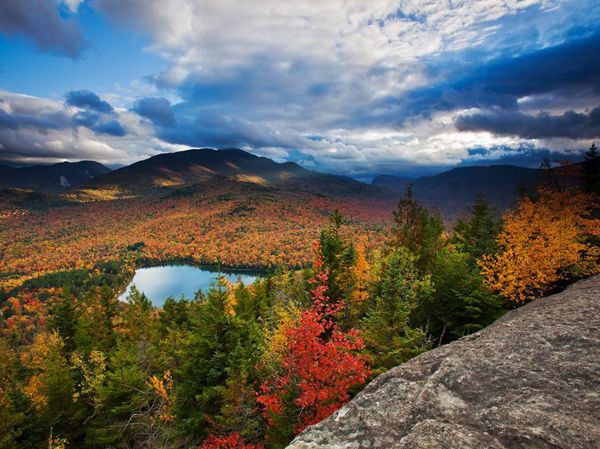
Why Adams Belongs on Your Northern New York Shortlist
The north-country light here flattens at dusk into long, gold-sanded edges and a sense that the day has earned its quiet. In Adams, the story of place is told in water: sheltered coves that accept small boats, channels good for canoe and kayak days, and wide flats that draw anglers at first light. That same water culture creates a portfolio of activities—boat rental for self-guided exploration, curated boat tours that point to marsh birds and hidden shorelines, and sailing or jet-ski tours that satisfy contrasting appetites for calm and speed. These are not isolated pleasures; they thread into the landscape’s other rhythms: hiking trails that rise to wooded ridges, modest ski slopes and cross-country tracks for winter activities, and a constellation of environmental attractions where eco tours and wildlife viewing are quietly excellent.
Arrive expecting practicality. Adams doesn’t trade on blockbuster infrastructure; instead, it offers something more durable: easy access to varied terrain, a cluster of outfitters who know the currents and the seasons, and lodging choices that range from simple inns to riverfront stays that drop you at sunrise. This is a place where you can stack a morning fishing trip, an afternoon boat rental, and an evening sightseeing tour without forfeiting flow. It’s also a place where tempo matters—the water calms in early morning, winds build in the afternoon, and winter days are short and sharp; plan accordingly and you’ll be rewarded with light, wildlife, and fewer crowds.
Culturally, Adams wears its northern New York heritage plainly: a practical hospitality, a history tied to lakeside transport and fishing economies, and local stewards who run eco tours and interpret environmental attractions for curious visitors. Bring curiosity about the landscape—its migratory birds, its seasonal fisheries, and the subtle changes between a lake paddled in summer and the same shelf of water frozen and hushed in winter—and you’ll find a narrative beyond simple checklisting. For photographers, mornings here are treasure: mist over the river, ospreys quartering the shallows, and long shadows on empty trails. For families, the combo of calm water activities and protected lodgings makes for an accessible multi-day loop. For the keen outdoorsperson, the region’s mixture of boating, hiking, fishing, and seasonal skiing offers a modular trip: craft a long weekend of paddling and angling or a week that shifts from sailing to sightlines on nearby ridges.
Practically speaking, this guide translates that variety into usable choices—what to bring, when to book, how to pair activities like canoe day-trips with boat rentals and eco tours, and how to treat winter activities with the respect they require. We highlight options for beginners through advanced users, and point to the local rhythms—when jet-ski tours hum, when bird migrations peak, and when guides are most helpful. Ultimately, Adams is best understood not as a single destination but as a comfortable junction: a place to launch both quiet, reflective excursions and spirited, gear-forward days on water and snow.
Access is straightforward and forgiving—short drives between launches, centralized outfitters for rentals and guided trips, and lodging options that keep you close to both water and trail. Shoulder seasons reward early risers with quiet launches and lower rates; in winter, prioritize prepared routes and ask local operators about snow conditions.
Pack smart: layers for variable temperatures, dry bags for phones and essential gear, and boots with traction for wet rocks and winter ice. For anglers and wildlife watchers, a short morning is often the best investment: the animals and fish move on a schedule you can plan around.
Adams’s advantage is variety without surrendering the day to long transfers.