Why Al Tahoe Belongs on Your Adventure Shortlist
Al Tahoe sits at the intersection of two hard-to-resist impulses: to move and to pause. One hour or a single afternoon can contain an intimate hike beneath Jeffrey pines and a late-day paddle in glassy, cold water. The lake's clarity and the surrounding granite bowls give even short trips a cinematic quality—the light refracts, the shoreline reveals buried boulders and micro-habitats, and every cove feels like a secret worth earning. That cinematic quality is practical, too. Boat rental, marina access, and guided boat tours make it straightforward to get onto the water whether you want an hour of SUP near the shore or a full-day sailing run across the basin. For anglers, sheltered coves and deeper water off classic points reward early casts and patient drift-fishing. In winter the mood flips with predictable drama: snowmobile corridors, downhill runs and cross-country tracks carve a rhythm through forests dark with evergreen, the lake folding into a distant, reflective silence.
Because Al Tahoe compresses activity types into a compact area, it’s a useful basecamp for mixed itineraries. You can start with a short, scenic hike that climbs to a viewpoint, drop back to town for a hearty lunch, then launch a kayak from a nearby marina for a sunset glide. Or, during peak winter, string a morning groomer session with an afternoon snowmobile loop and a low-light walk that lands you at a warming hut or lakeside bar. That density of options matters for both first-timers and repeat visitors: novices can find gentle introductions—walking tours, easy hikes, sheltered SUP runs—while experienced adventurers can stitch together longer, technical days that exploit both lake and high country. Practical infrastructure—multiple public beaches, several marinas, and a handful of reliable outfitters—means you rarely need to carry more than the daypack essentials; rentals and shuttles fill the gaps without fuss.
Culturally, Al Tahoe feels like an amplified small town. Local guides and boat captains carry place-based stories—of early Tahoe steamboats, native Washoe stewardship, and twentieth-century ski lore—that blend naturally with route-finding advice and weather-readiness. This human layer complements the obvious outdoor draw: whether you’re angling for trophy trout off a quiet point, joining a guided sailing lesson, or threading a winter singletrack with a snowmobile guide, there’s an emphasis on stewardship. Leave-no-trace principles, seasonal restrictions on certain beaches and trails, and marina etiquette are part of the rhythm here; they keep the water clear and the shoreline welcoming. Practically speaking, plan around seasonality—watercraft and boat tours swell in summer, while winter activities concentrate around holidays and snow cycles—but also leave room for serendipity: a calm morning paddle, a sudden cove-fed hush, or a late snowfall that puts a luminous glaze on a familiar ridge. That mix of reliability, accessibility, and a distinctly Tahoe mise-en-scène is why Al Tahoe is worth repeating.
Access is straightforward from major California corridors—highway approaches funnel visitors into a compact network of beaches, marinas, and trailheads. Outfitters in and around Al Tahoe offer everything from hourly kayak and jet-ski rental to full-day guided fishing and sailing excursions, which simplifies logistics for travelers who want to maximize time on water or snow.
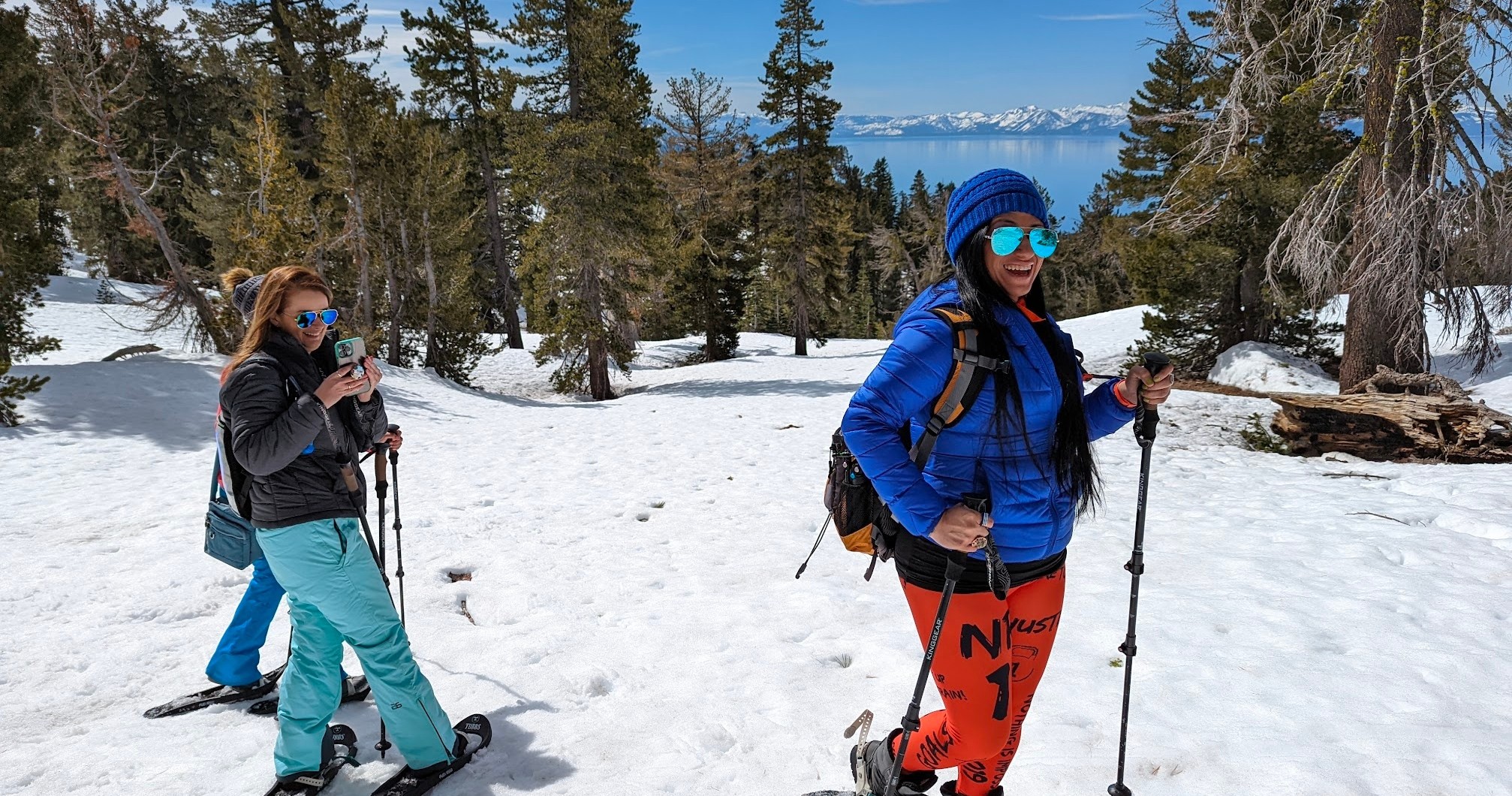
The seasons are split but generous: summer compacts water activities, boat tours, and hiking into long, sunlit days; winter concentrates energy on skiing, snowmobiling, and snowshoeing. Shoulder seasons reward quieter trails, lower prices, and crisp, clear days ideal for photography and solitary shoreline walks.
Al Tahoe’s advantage is variety without surrendering the day to long transfers.