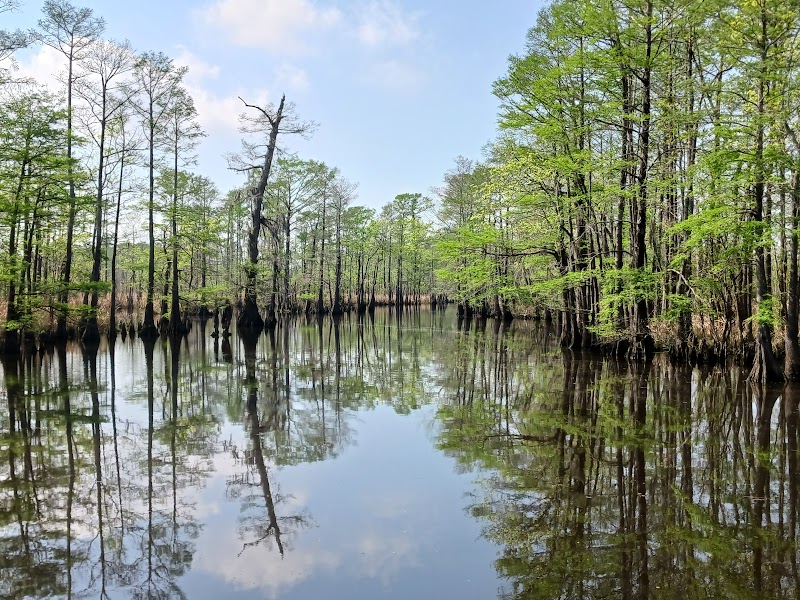
If you arrive at the edges of Anahuac before sunrise, the first thing that will register is how the land seems to breathe with the tide. The marshes—satin ribbons of cordgrass and braided water—are not merely scenery but the working lungs of the bay, alive with reeds, call notes, and the constant traffic of otters and wading birds. For travelers who prize intimate encounters with habitat more than postcard panoramas, Anahuac delivers on an intimate scale: birding hides tucked beside shallow flats, quiet boat launches that feel less like recreation hubs and more like neighborhood docks, and a rhythm set by migrating shorebirds as they pulse through on spring and fall runs.
This is a place where water activities are the default language—boat tours that thread narrow channels, kayak trips that let you leer into fiddler-crab country, and small craft fishing for speckled trout and redfish at dawn. But Anahuac’s appeal is more than aquatic. It is an ecological hinge between inland and ocean: the refuge habitats are important stopovers on continental flyways, local guides read the tides like weather, and the small-town culture retains the practical humility of communities shaped by labor on the water. History here is quietly written into levees, marsh management, and the boat sheds lining the bay—reminders that coastlines evolve and that recreation shares space with stewardship.
Practical travel in Anahuac rewards the prepared. Tides determine what you’ll see and where you can launch; a low-slung salt flat at mid-tide can morph into an impassable mudplain an hour later. Outfitters, where present, are small operations—book early in spring migrations and summer weekends. The birding here is world-class for those who know where to look: expect long-billed shorebirds that probe tidal wrack, pelagic vagrants beyond the jetties during certain seasons, and scores of passerines dropping into coastal scrub on migration. For anglers, early morning and outgoing tides are prime; kayak anglers favor shallow creeks for sight fishing. For families and casual explorers, gentle walking tours of refuge boardwalks and guided eco-tours deliver a high return on time with minimal gear.
Finally, part of Anahuac’s charm is its scale. Unlike busier coastal hubs, you’ll find stretches of shoreline and marsh where your presence is an intimate punctuation rather than an event. That makes this a place to slow down and let the landscape reveal its workday pace: the pelicans rehearsing a landing, the sudden whip of a heron for a crab, and the plain facts of weather and tide shaping what’s possible that day. Treat it with curiosity and basic preparation—tide charts, mosquito repellent, and a plan for shade—and Anahuac becomes a coastal chapter that feels lived-in, instructive, and quietly memorable.
Access is straightforward for a coastal pocket town: short drives connect refuge boardwalks, boat launches, and small local marinas. Outfitters and guides are typically family-run—connecting you to decades of local knowledge about tides, species, and the best seasonal windows.
Anahuac pairs big-sky birding with practical adventure: bring polarized shades and a tide app, and you can stitch together half-day paddles, evening wildlife cruises, and morning fishing runs without overplanning.
Anahuac’s advantage is variety without surrendering the day to long transfers.