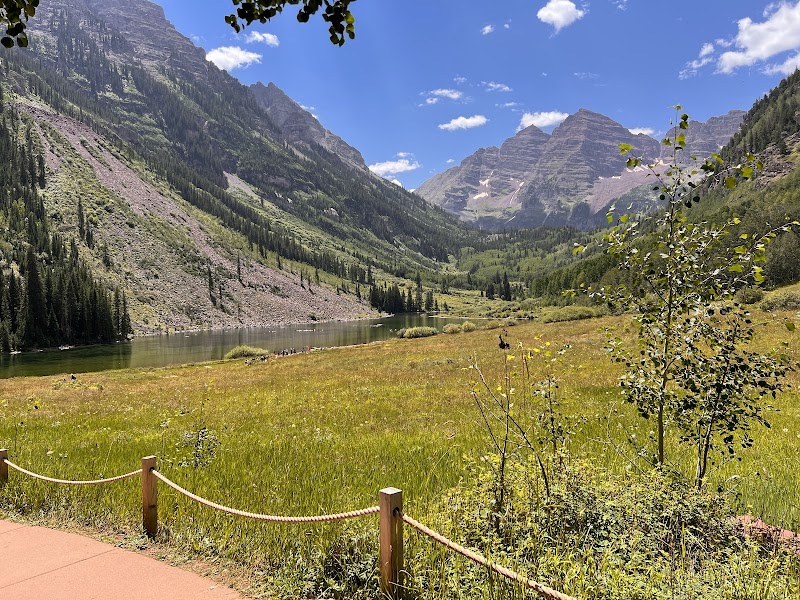
Black Hawk is the kind of small mountain town that asks you to rethink assumptions about what an adventure hub can be. A legacy of the Colorado Gold Rush sits shoulder-to-shoulder with modern-day recreation: vintage brick storefronts and mining-era facades make for evocative walking tours and city tours, while the surrounding ridgelines and canyons offer concentrated access to hiking, climbing, and bike tours. In a single day you can move from a sightseeing tour of preserved historic sites to the blunt, immediate joy of ankle-deep talus fields and exposed granite holds—then cap it with a quiet evening of star-bright vistas that feel a world away from the urban sprawl below.
Practical access is a recurring strength here. Black Hawk is less than an hour from Denver, but its elevation and terrain create a different climate and a different pace. Water activities and fishing are often regional propositions—think nearby creeks and reservoirs rather than large lake resorts—but they pair well with half-day itineraries: a morning hike, an afternoon casting lesson, or a late-day stand-up paddle session on a sheltered basin. Winter activities arrive early in the season; when the foothills dust with snow, routes that were singletrack in summer become crisp, efficient backcountry routes for snowshoeing or winter hiking. For travelers who value variety, Black Hawk functions as a microcosm—walking-tour charm, accessible hiking, targeted climbing spots, seasonal water access, and the convenience of lodging and services clustered downtown.
Culture and context matter here. The town's gambling-era reinvention sits atop a deeper story of miners, Indigenous pathways, and mountain transport corridors that shaped the Front Range. That blend means you can pair an eco tour or sightseeing tour with a reflective history walk, or book a bus tour that connects Black Hawk to neighboring Central City and the high-country gateways. Outfitters in the region are geared toward short, high-value experiences: bike rentals for canyon pedal loops, guided climbing sessions for newcomers, winter-activities clinics, and fishing guides who know the local trout patterns. The result is a destination that rewards practical planning: shorter drives, flexible days, and the option to scale up—from family-friendly strolls to advanced ridge scrambles—without committing to long, logistics-heavy expeditions.
Because so much is compact, you can treat Black Hawk like an adventure switchboard. Start with a walking tour or city tour to orient yourself, then pick a single nearby trail or climbing area for more concentrated time outside. Outfitters and local guides make it easy to add a boat rental or fishing excursion if you want water time; in winter, look for guided winter activities or nearby ski options for downhill or nordic skiing.
Crowds are generally lighter than the major resort towns, but access windows matter—weekends and fall leaf-peekers push visitation up. Book lodging early for fall and summer weekends, and prioritize early starts on popular trailheads. For practical safety: altitude, afternoon thunderstorms in summer, and fast-changing weather on ridgelines are the chief considerations—plan accordingly with layered clothing, plenty of water, and route familiarity.
Black Hawk’s advantage is variety without surrendering the day to long transfers.