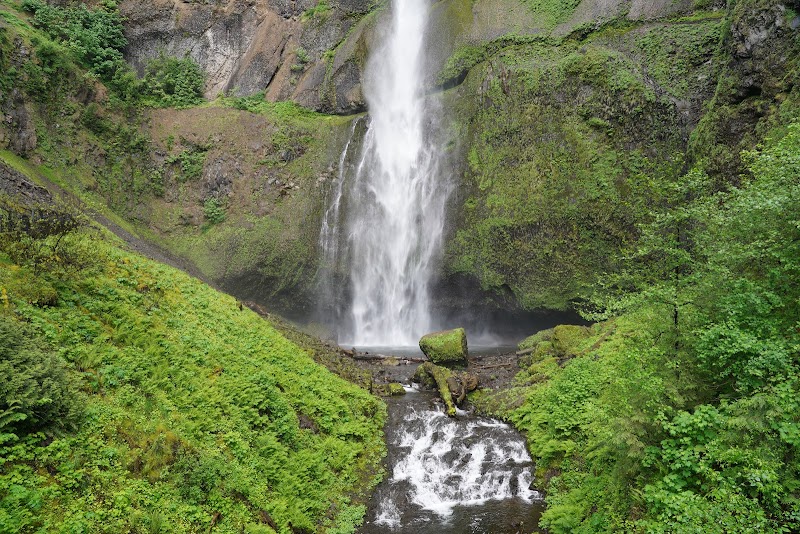
Carson feels like a geological footnote that kept growing into a headline. Here, the land is recent enough to still be speaking—lava flows and ash-carved ridgelines anchor a playground of contrasts: alpine scars meet ferny lowlands, river roar gives way to hush in old-growth pockets, and everything is close enough for a dawn launch and a sunset dinner on the drive home. For travelers chasing small-town access to big-country activity, Carson’s compact map is an advantage. Start your morning on a short hike that climbs through avalanche chutes and secondary forest to a viewpoint that frames Mount St. Helens; by late morning you can be geared up for a guided kayak or whitewater run on the White Salmon River, followed by an easy bike tour through farmland lanes and along the Columbia River corridor.
What feels democratic about Carson is the mix. Sightseeing tours and city-escape walking tours snap into the same itinerary as more physical undertakings: you can pair a relaxed boat tour on the Columbia with an afternoon e-bike spin or a late-afternoon fishing session in a stocked tributary. Outfitters in the broader Mount St. Helens/Gifford Pinchot corridor offer rentals and shuttles for everything from standard bike rental and e-bike support to guided kayak excursions and eco tours centered on volcanic history and wildlife. The result is an accessible basecamp for families, mixed-ability groups, and solo explorers who want to stack activities without long drives between them.
Carson’s seasons shape a clear rhythm. Late spring and early summer bring swollen rivers and thunderous paddling opportunities; high summer opens warm-weather hikes, scenic drives, and comfortable evenings for campsite dinners. Fall is a quieter, crystalline time—ideal for fishing, wildlife viewing, and walking tours that put the volcano and valley into sharp relief. Winter closes some high routes but delivers a different kind of solitude for those willing to trade summit ambitions for snowshoe steps through silent stands. Practical planning—checking river flows, booking guided runs for technical water, and timing hikes for morning light—turns a good trip into a memorable one. Above all, Carson rewards curiosity: the best days here combine one big, bold activity (hike, paddle, or bike) with a handful of smaller, restorative experiences—lookouts, riverside picnics, and museum stops that explain the landscape’s violent history.
Access is direct: state highways thread through the valley and trailheads are often a short drive from town. Local outfitters provide bike rentals (including e-bikes), shuttle services for longer hikes or river runs, and guided options for whitewater, fishing, and wildlife-oriented eco tours.
Carson pairs raw outdoor terrain with practical amenities—simple cafes, supply shops, and a handful of lodgings—so you can move between adrenaline and comfort without lengthy logistics. Shoulder seasons reward the early riser with quieter rivers and trails.
Carson’s advantage is variety without surrendering the day to long transfers.