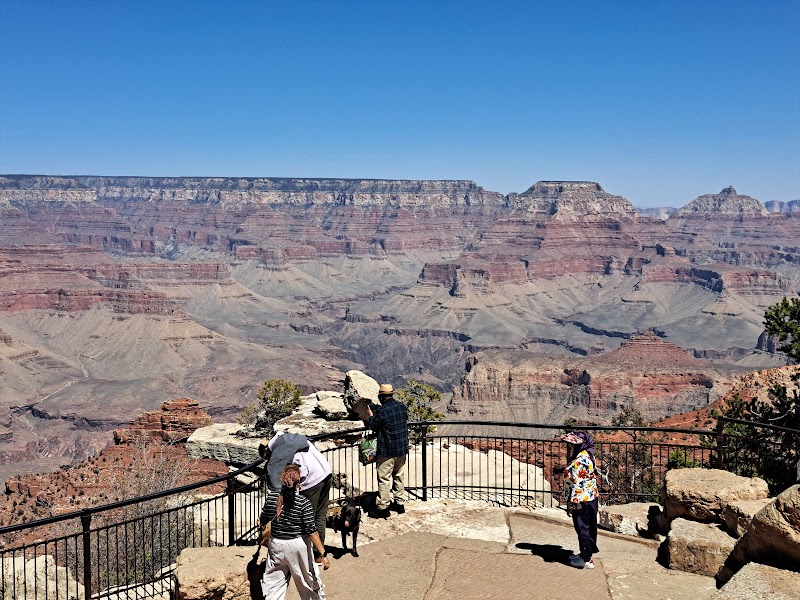
Chino Valley sits where the high desert eases into pine-forested ridgelines—an in-between landscape that rewards curiosity. There’s a paradox to its appeal: from the highway it reads as quiet cattle country, but once you turn onto gravel and climb toward the ridges the horizon opens like a chapter of western geography you didn’t know you needed. Trails thread through pinyon and juniper, singletrack and doubletrack arc toward sweeping overlooks, and small lakes mirror wide bowl skies. It’s a place where an early-morning hike can feel like a private performance—coyotes yipping in the distance, ravens scouting thermals, and the first light burning the edges of mesas.
What makes Chino Valley particularly useful as a trip-planning hub is accessibility to diverse activities. From ATV/UTV corridors for motorized day trips to mellow bike routes ideal for a rented e-bike, the town’s proximity to Prescott National Forest expands the palette: hiking that ranges from short interpretive loops to longer ridge walks; kayaking and boat-tour options at nearby reservoirs for flatwater paddling; and guided eco tours and wildlife outings that read the landscape for birds, javelina, and mule deer. Outfitters in the region typically offer bike rental, guided bike tours, and sight-seeing bus tours that package regional highlights into a half-day or full-day window—useful when you want to stack a morning hike with an afternoon paddle or an evening star watch.
For creatives and practical travelers both, Chino Valley’s low-light skies are a draw. Air activities—small-plane flights and scenic aerial tours out of nearby airfields—reveal the sweep of ridgelines and river basins in a way maps cannot. Lodging here favors the approachable: cabin rentals, small lodges, and ranch stays that put you within easy striking distance of trailheads and boat ramps. The town’s compact scale makes it a quietly efficient basecamp: you can be in trailhead boots in 20–30 minutes and on the water in less time, depending on your itinerary.
That said, planning matters. Summer heat, sudden monsoonal storms, and seasonal wildlife patterns shape what’s possible and comfortable. Spring and fall are the sweet windows—wildflowers and migrating birds in March–May, and crisp afternoons and long golden hours in September–November. Bring modular layers, plan for flexible arrival/departure times, and lean on local guides for motorized routes and water activities if you’re less experienced. Do this and Chino Valley’s mix of hiking, wildlife viewing, off-road thrills, and quiet paddles becomes an efficient, memorable playground for photographers, family groups, and solo travelers alike.
Access is straightforward and serviceable: local outfitters provide bike rental, e-bike options, and guided ATV/UTV tours; bus and sightseeing tour operators simplify logistics; and nearby towns offer additional dining and provisioning. Use outfitters for technical routes and water activities you’re unfamiliar with.
Pair active days with slow evenings: local lodging, ranch stays, and small inns make it easy to pack for sunrise missions and late-night stargazing. Shoulder seasons bring cooler days and thinner crowds—ideal for multi-activity trips that mix hiking, kayaking, and scenic driving.
Chino Valley’s advantage is variety without surrendering the day to long transfers.