Why Keaʻau Belongs on Your Island Itinerary
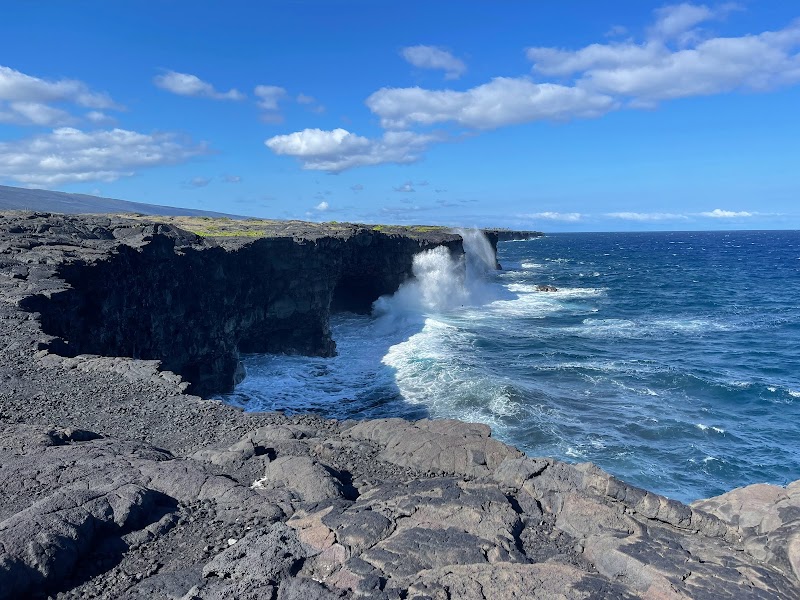
Keaʻau sits on the eastern flank of Hawaii Island like an invitation: subtle, verdant and insistently coastal. From the road into town the landscape reads as a study in contrasts—satin lava flows that have given way to stands of ironwood and ohia, small farms producing tropical fruit, and a shoreline that shifts from gentle coral shelves to black-sand coves sculpted by ancient fire and churned by Pacific swell. For travelers chasing diversity in a compact footprint, Keaʻau’s appeal is its adjacency. A short drive puts you at hiking trailheads, photo-ready lookouts, snorkeling bays and charter points for boat tours. It’s an artful basecamp where you can thread a morning hike into a midday kayak and finish with a photography tour at golden hour.
On a practical level Keaʻau is quietly well positioned. Outfitters and locally run eco tours operate here with intimate knowledge of the Hilo-Puna microclimate, which is crucial: trade winds and localized showers mean conditions can change on hour-long timelines. That knowledge also unlocks better experiences—certified scuba operators who know the clearest reefs; boat captains who time trips to avoid onshore wind; hiking guides who can read ephemeral stream crossings after rain. The top activities—sightseeing tour, hiking, water activities, eco tour, photography tour, walking tour, boat tour, city tour, scuba, bus tour, zipline, fishing, kayak, snorkel, and air activities—aren’t siloed. They’re combinable. You can pair a morning waterfall hike with an afternoon snorkel, or swap a scheduled bus tour for a private sightseeing tour that drops you at a secluded bay for sunset photos.
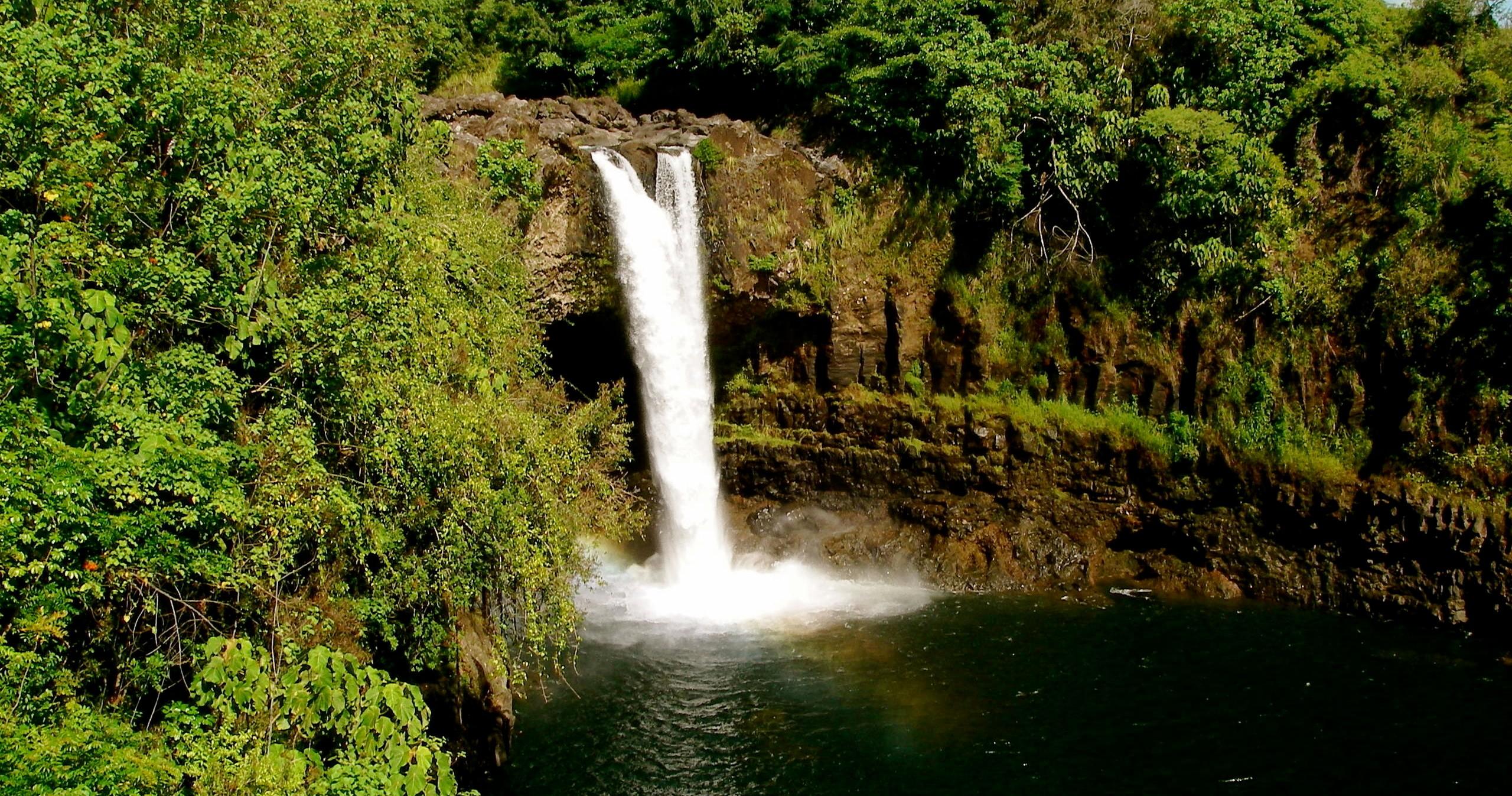
Culturally, Keaʻau and the wider Puna district carry a strong sense of place: the land and sea are threaded into community life, and many operators emphasize stewardship. Respect for native habitats and an awareness of volcanic hazards are part of the local vernacular. That means adventures here lean experiential—eco tours that emphasize reef conservation, photography outings that educate on coastal erosion, and fishing charters that practice catch limits. For planning, aim for shoulder months (spring and fall) for fewer crowds and more predictable trade-wind patterns, but know that Keaʻau is essentially year-round: winter trade winds can make offshore water activities choppier, while brief summer squalls refresh the forests and sharpen waterfall flows.
For the practical traveler, focus on layering, water readiness and timing. Mornings bring calmer seas and softer light—prime for kayak and snorkel outings—while afternoons can be preferable for inland walks when sun and surf may peak. Local operators often offer combo bookings (kayak + snorkel, boat + photography tour) that save time and simplify logistics. Whether you’re a novice looking for guided snorkeling and sightseeing or an advanced traveler hunting remote hike lines and offshore fishing grounds, Keaʻau rewards attention to weather, a flexible schedule, and a willingness to let the island’s pace set the day.
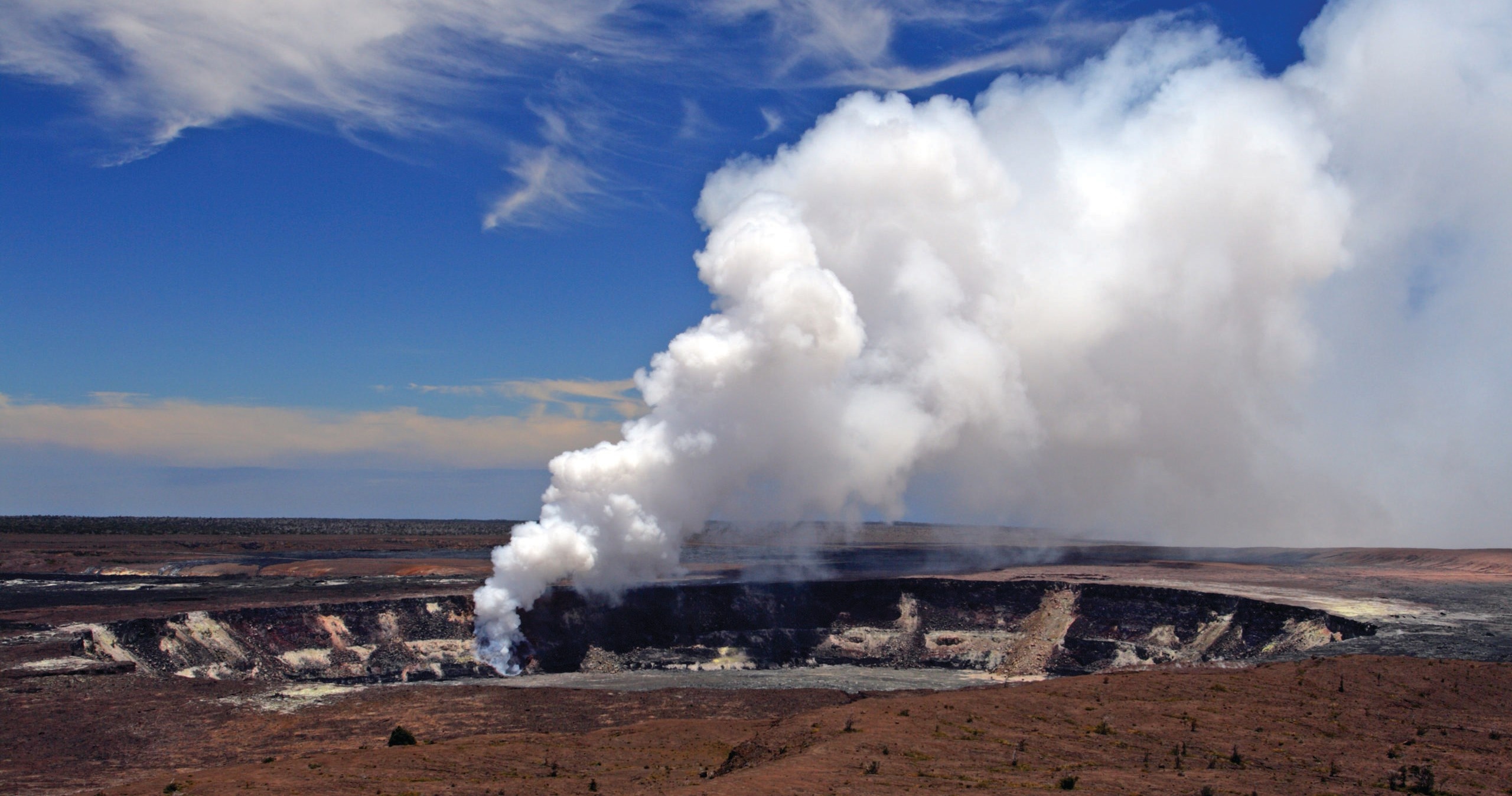
Access is straightforward: small local roads link Keaʻau to Hilo and to the southern stretches of Hawaii Volcanoes National Park. That proximity makes Keaʻau an effective staging point for morning hikes or late-afternoon drives to crater overlooks.
Local businesses favor small-group formats—private or semi-private boat and photography tours, guided hikes with cultural context, and eco tours focused on reef health—so booking in advance during holidays and weekends is wise.
Keaʻau’s advantage is variety without surrendering the day to long transfers.