Why Newfound Gap Belongs on Your Adventure Shortlist
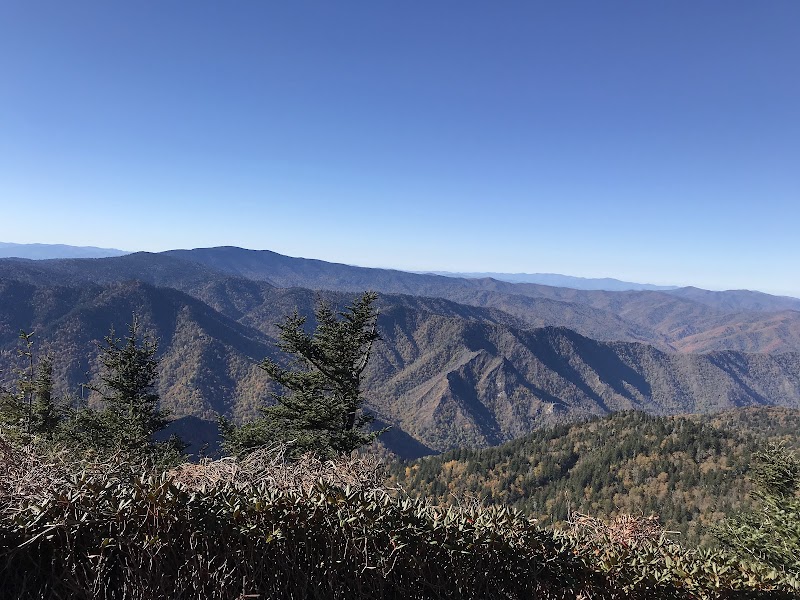
The first light at Newfound Gap arrives slow and deliberate, as if the mountains hold their breath to let you step into the scene. The old highway—US-441—cuts a slate ribbon across the crest, offering pullouts where you can stand with a coffee and feel the Appalachian spine roll away in layered blues. Hike a few hundred yards and the canopy tightens to a hush; hike farther and you meet the long work of the mountains—rock bands, exposed ridgelines, and the survival stories written by spruce and fir where the air grows thin and the weather turns fast.
This place is equal parts theater and lab. For photographers it’s a changing drama of fog and sunlight; for hikers and backpackers it’s a classroom where elevation, exposure, and route-finding refine judgment. For families, mellow loops off the gap and interpretive pullouts offer accessible glimpses of the park’s flora and fauna. The Appalachian Trail threads the high country here and rewards both short summit dashes and multi-day plans; the same routes that tempt through-hikers give day-trippers a taste of long-country perspective. Alongside foot travel, the rhythm of the area invites mixed modes: scenic drives to dawn overlooks, guided sightseeing tours for a low-stress orientation, and seasonal water activities in the lower elevations where trout streams and quieter lakes allow for fishing, kayaking, and reflective paddles.
Practical travelers will appreciate the concentration of services within striking distance: lodging options layer from cabins to historic inns in nearby towns, outfitters handle bike rental and guided bike tours, and interpretive eco tours and wildlife drives deliver stories you won’t get from a map alone. That said, Newfound Gap is also a place of careful stewardship—some roads and sensitive habitats close seasonally, motorized off-road riding is restricted within the park proper, and weather decisions are part of every trip planning checklist. Pack layers, respect closures, and schedule flex time: the reward is a landscape that remains wild in a way that feels increasingly rare—ornate with waterfalls in spring, luminous with fall color, and serene in lower-traffic shoulder seasons.
For those making an itinerary, mix one long ridge or AT segment with a couple of shorter interpretive loops, slot in a guided outing—whether a birding-focused walking tour or a sightseeing shuttle—and leave a late afternoon window for wildlife viewing along quieter roads. In practice, that means pairing the immediacy of a short hike from the gap with a morning outing like a kayak or fishing trip lower in the valleys, or choosing a bike rental and quieter lane for a restorative pedal between overlooks. The eclectic top 15 activities—hiking, wildlife viewing, bike tours and rentals, water activities from kayak to boat tour, guided sightseeing and walking tours, even air activities from scenic flights nearby—are not just ways to fill days; they’re different lenses on the same place. Use them to layer experiences: a morning paddle, an afternoon ridge walk, an evening lookout for bears and deer under an indigo sky.
Access here is generous but deliberately managed: multiple trailheads radiate from the gap, and seasonal restrictions protect fragile high-elevation habitats. Outfitters in adjacent towns provide shuttle options, bike rental, and guided experiences that simplify logistics so you can focus on the landscape.
Pairing the wild with the local makes travel effortless—nearby towns offer lodging and hearty meals after a wet, muddy day on the trail. Plan around the weather, respect closures (especially in winter), and treat wildlife viewing as an exercise in patience and etiquette.
Newfound Gap’s advantage is variety without surrendering the day to long transfers.