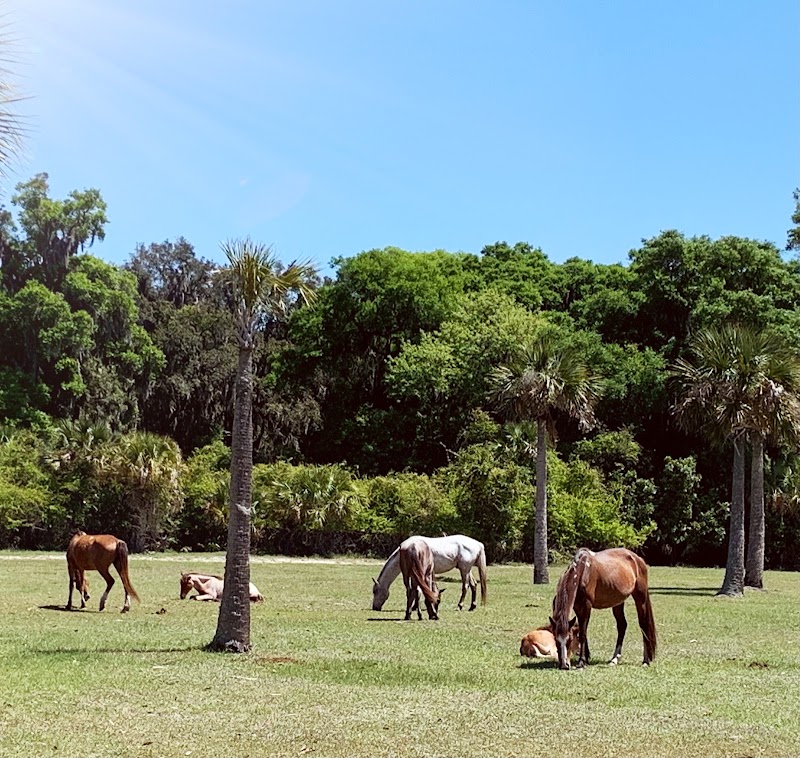
If the South has an easygoing front porch, St. Simons is it: a narrow island threaded with live oaks and Spanish moss, ringed by wide beaches and mottled salt marshes. The truth about St. Simons is that the island’s scale encourages a gentle kind of adventure—long mornings on the water, afternoons pedaling quiet lanes, and evenings with a binocular pointed at the horizon. It’s the sort of place where a kayak launch can feel like stepping into a watercolor: glassy creeks, herons on stilts, and the occasional pair of dolphins touring the channel. That same tenderness applies to land-based exploration. The island’s history—lighthouse keepers, sea captains, and a small-town downtown that remembers its Victorian storefronts—lends texture to a day that is as likely to include a boat rental as it is a seafood lunch on the pier.
But don’t mistake charm for sameness. St. Simons supports a surprising menu of activities concentrated on water and shoreline access. Fishing charters leave the marsh creeks for inshore flats; eco tours thread the estuary to show how tides and bird migration shape the place; kayak and stand-up paddle trips nudge under mangrove canopies where fiddler crabs and marsh wrens go about their business. The island’s compactness is an advantage: you can stack a morning kayak tour with an afternoon bike rental and still have time to walk the lighthouse grounds before sunset. That accessibility makes it ideal for multi-level groups—families, mixed-skill friends, or travelers seeking a restorative escape that still delivers active options.
Practicality is baked into local offerings. Outfitters keep a fleet of rentals—from kayaks and SUPs to small sailboats—while guides run targeted trips for sighting wildlife, learning the local tides, or chasing the right flats at the right hour. For those who prefer low-effort exploration, sightseeing boat tours and ferries provide scenic context without the physical commitment; for anglers, a half-day charter is a dependable way to see the marshes and come back with a story (and sometimes dinner). Even on land, the island rewards small investments of time: a borrowed bike and a route that threads through neighborhoods and coastal hammocks opens up hidden beaches, quiet birding pockets, and historic markers that tell a broader story of the Georgia coast.
Seasonality matters here. Spring and fall offer the most comfortable temperatures, clearer skies for coastal vistas, and busy-but-manageable weekends. Summer brings robust beach energy and higher humidity—and the occasional tropical system—while winter is mild and uncrowded, a good time for birders and anglers who prefer temperate weather. Whatever the month, planning around tides and daylight stretches your options: a low-tide paddle reveals sandbars and shell beds, while early-morning trips increase chances of wildlife sightings and avoid midday heat. In short, St. Simons is a place of measured adventure: it rewards curiosity, favors waterborne travel, and makes practical itineraries feel unhurried and deeply coastal.
St. Simons is a short drive from Brunswick and connects easily to mainland roads, which makes it an efficient base for combining island time with nearby attractions like Jekyll Island and the greater Golden Isles. Outfitters and tour operators are experienced in tailoring half-day and full-day options for families, anglers, or photographers.
Local culture leans on the sea—restaurant menus celebrate inshore catches, and small museums and historic sites preserve the island’s maritime past. That cultural thread complements the outdoor playbook, letting you pair active mornings with afternoons of relaxed history or coastal cuisine.
St. Simons’s advantage is variety without surrendering the day to long transfers.