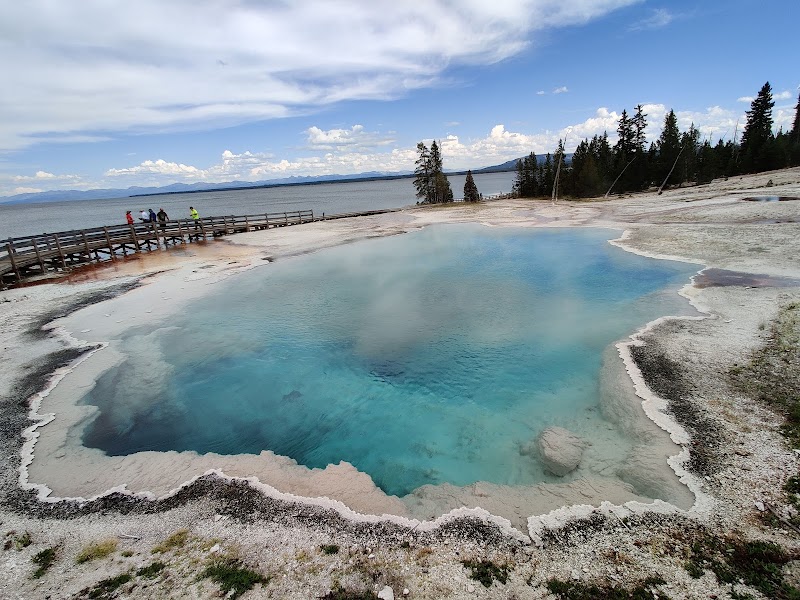
Yellowstone is less a single destination and more a compendium of landscapes that refuse tidy categorization: steaming basins and neon bacterial mats sit beside sage flats that funnel migration corridors, and high-altitude lakes reflect sky the color of ink. Here the sensory extremes—the hiss of a fumarole, the thunder of a distant elk rut, the hush of early-morning snow—become your itinerary. That contrast makes the park ideal for mixed itineraries: pack a day with a wildlife drive in Lamar Valley, a short hike to a viewpoint, and an afternoon photography tour at a thermal feature.
The logistics feel adventurous but solvable. Many top activities—wildlife watching, sightseeing tours, and walking tours—require minimal gear but maximal patience and timing. More specialized pursuits like snowmobile trips, guided boat tours, and kayak launches demand reservations and seasonal rules; in winter, access is often by guided snowmobile or snowcoach only. Outfitters in gateway towns and park concessions run eco tours, photography workshops, and bike rentals that let travelers layer skill-building into scenic time. For those who prefer self-guided routes, well-marked trails and handfuls of established put-ins on Yellowstone Lake keep the planning straightforward, but always pair route choices with current park alerts.
What binds every activity is respect—for unpredictable weather, for geothermal hazards, and for large animals who make the park their home. Good planning is simple: aim for early starts to catch wildlife and light, carry layered clothing for sudden temperature swings, and give thermal basins the reverence they deserve. This guide maps the practical next steps—what to bring, sample activities by skill level, and local tips—so you can transform Yellowstone’s elemental drama into a trip that’s vivid, safe, and refreshingly doable.
Access points in the Montana portion, like Lamar Valley and Mammoth Hot Springs, offer a quieter entry compared with mid-park hubs. These areas are prime for wildlife viewing and photography tours—expect long lenses, patient windows of stillness, and the possibility of guided eco tours that explain the park’s geology and ecology.
Layer experiences across activity types: slot a short hike or walking tour into a morning wildlife window, add a late-morning sightseeing tour to reach geyser basins, and reserve a calm water activity—like a guided kayak or boat tour on Yellowstone Lake—for golden hour reflections.
Yellowstone National Park’s advantage is variety without surrendering the day to long transfers.