PAMPLONA WALKING TOUR FIELD GUIDE
Behind the Neoclassical Face: Inside Pamplona’s Cathedral
A guided walking visit of Pamplona Cathedral that focuses on its interior — from a standout 14th‑century Gothic cloister to one of Europe’s few surviving medieval kitchens — and the curious anecdotes that animate them.
Behind the Neoclassical Face: Inside Pamplona’s Cathedral.
Adventure brief
Behind the Neoclassical Face: Inside Pamplona’s Cathedral
Pamplona’s cathedral surprises: a restrained neoclassical façade gives way to an interior dense with medieval craft, devotional art and lively local lore. This guided visit foregrounds the cathedral’s inside stories — its celebrated Gothic cloister, refectory and a rare medieval kitchen — while unpacking the small, uncanny details that make the building feel both ancient and intimate.
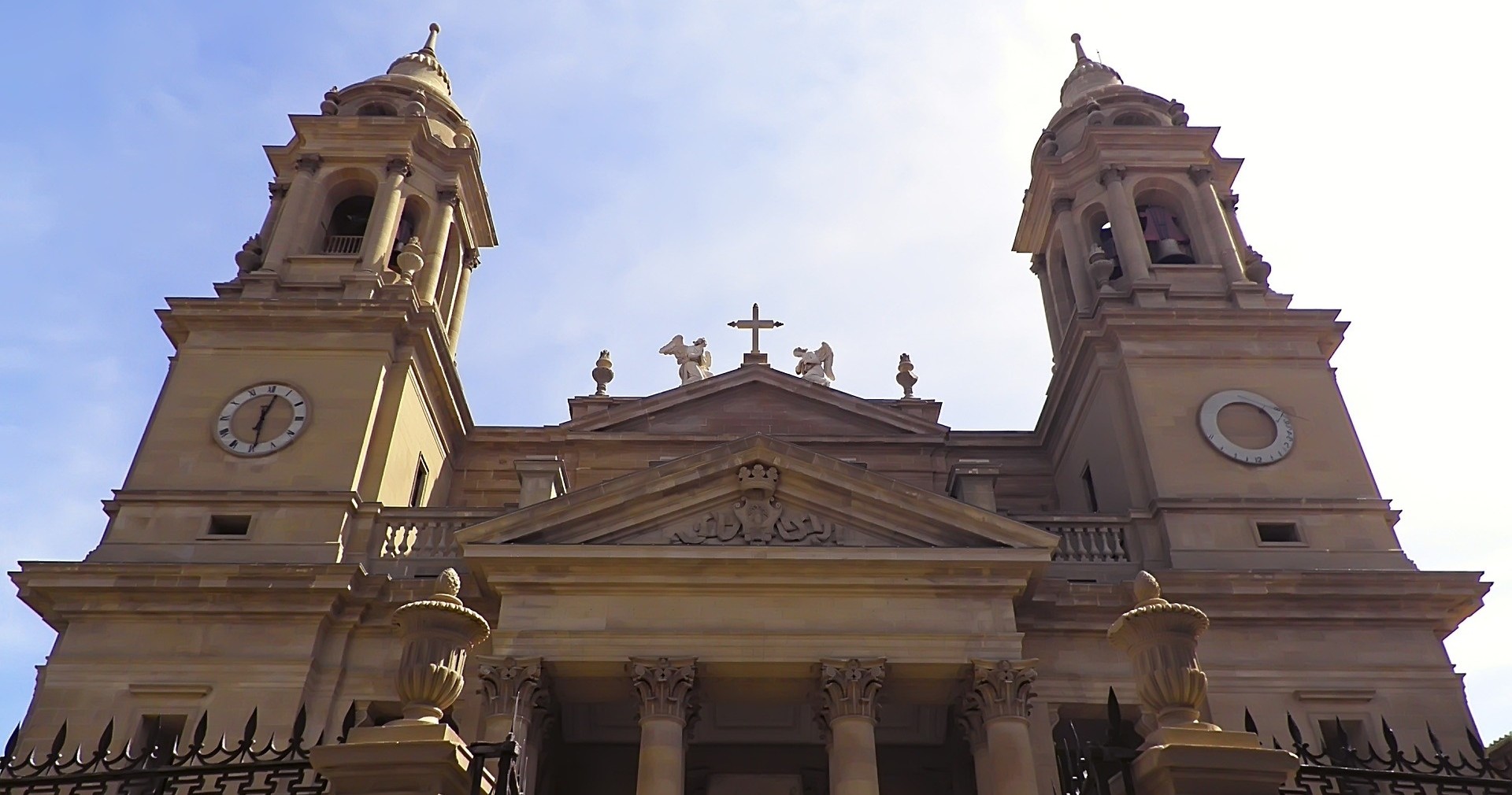
In the heart of Pamplona, Navarre, Spain, Trip Navarra invites you to step beyond the typical sightseeing trail with its Visita Guiada Catedral Pamplona. This guided walk through one of the city's most striking monuments offers more than architectural marvels—it’s an immersive journey through centuries of history and craftsmanship. The Cathedral of Santa María la Real de Pamplona commands attention for its striking neoclassical façade, yet its interior reveals even richer stories: from the serene Gothic cloister to the rarely seen medieval kitchens. These spaces are alive with history—the kind that can only be conveyed by enlisting an expert guide.
The Gothic cloister stands out as a masterwork of stone carving and design, its serene arches a silent witness to medieval monastic life. Nearby, the medieval kitchens hint at the daily rhythms centuries ago, with atmospheres preserved in shadow and stone. Intriguingly, legends surround the cathedral's art, including tales of smiling virgins, curious sculptures said to grow hair, and ancient relics that link the building to local religious traditions.
Trip Navarra’s guided visit elevates this experience by blending art, architectural insight, and compelling anecdotes—the kind you won’t find in guidebooks. This intimate tour connects visitors with Pamplona’s cultural roots, offering a deeper appreciation for the city’s spiritual and historical landscape. The company’s passion for showcasing Navarre’s hidden stories makes it a standout option for travelers seeking authentic cultural engagement beyond the usual outdoor pursuits.
Located just steps from the bustling Plaza del Castillo, the cathedral tour is also a perfect complement to outdoor adventures in the surrounding Navarre region. Whether planning to hike the Camino de Santiago routes or trek the nearby Pyrenean foothills, this cultural immersion roots your journey in the unique fusion of landscape and legacy that defines northern Spain.
Route Schematic
Itinerary at a glance
Key stops trace the cathedral’s public face and its private, medieval interiors.
Exterior — the Neoclassical façade
A brief exterior stop to note the cathedral’s neoclassical façade and set the contrast with what lies inside.
Cloister (claustro)
A main focus of the visit: the Gothic cloister, praised as one of the best 14th‑century examples in Europe.
Refectorio (refectory)
Examination of the refectory’s architecture and decorative program as part of the cathedral’s communal spaces.
Medieval kitchen
Visit to one of the three surviving medieval kitchens in Europe, a rare architectural survival that illustrates monastic and episcopal life.
Access to the cathedral itself requires a separate entry ticket (not included in the tour). Standard ticket 5€; reduced (retirees, carnet joven) 4€.
Highlights
Outing Highlights
A Gothic cloister among the best of the 14th century
The tour stops at the cathedral’s cloister, regarded as one of the finest Gothic cloisters of the 14th century in Europe — a quiet, stone‑laced precinct that anchors the building’s medieval heritage.
Neoclassical face, medieval interior
Visitors encounter a neoclassical façade that belies the cathedral’s layered interior: the refectory, sculptural program and the structural traces of a long liturgical life.
Refectories, kitchens and small, strange stories
The visit includes one of the three medieval kitchens still extant in Europe and lingers on the anecdotal details — smiling virgins, a crucifix said to have a strand of hair that ‘grows’, iron Inca‑style headpieces and other local curiosities.
What the day feels like
A focused interior walk through art, architecture and anecdote
The guided visit privileges the cathedral’s interior life: after a look at the exterior, the route moves into the cloister, the refectory and a preserved medieval kitchen, with stops to examine sculptural details and hear the human stories attached to them — smiling Madonnas, weathered lovers’ noses and other local curiosities that give the place its character.
Suitability
Who it's for
Who this visit suits — and what to be aware of.
Practical planner
Details to review before reserving
Cathedral access ticket is not included in the tour price. Standard entry ticket 5€; reduced (jubilados, carnet joven) 4€.
This guided visit is run by Trip Navarra.
The visit concentrates on the cathedral’s interior: cloister, refectory and a medieval kitchen, plus the anecdotes attached to artworks and objects.
Review cancellation policies before reserving.
Frequently asked questions
Planning Your Outing
Is the cathedral entry ticket included with the guided visit?
No. The ticket to access the cathedral is not included; the standard entry ticket costs 5€, with a reduced rate of 4€ for retirees and carnet joven.
What parts of the cathedral does the visit cover?
The guided visit focuses on the interior: the Gothic cloister, the refectory and one of the three medieval kitchens still extant in Europe, together with stories tied to sculptures and images.
What is notable about the cloister?
The cloister is considered one of the best examples of a 14th‑century Gothic cloister in Europe.
What kind of anecdotes are part of the tour?
The guide highlights local anecdotes such as smiling virgins, a crucifix with a strand of hair said to ‘grow’, iron Inca‑style headpieces, lovers with worn noses and other curiosities.
Who operates the Visita Guiada Catedral Pamplona?
The tour is operated by Trip Navarra.
How rare is the medieval kitchen included on the visit?
The kitchen visited is one of only three medieval kitchens that remain in Europe.
How this guide was prepared
This field guide is synthesized using verified supplier specifications, route descriptions, and destination data. Some booking links may generate affiliate revenue for ADV Guides.
- Verified: 2026-09-02T04:56:15.155Z
Some booking links may generate revenue for ADV Guides or The Adventure Collective.
Availability, pricing, schedules and operating details can change.
Trip details and contextual sources were reviewed by ADV Guides Editorial.