SAULT STE. MARIE WALKING TOUR FIELD GUIDE
Paddling Baawaating: Indigenous Art and Stories on the Water
An Indigenous-led, 4-hour journey around Baawaating’s waters and islands that pairs paddling with storytelling, cedar tea, fire and cultural context—this guide explains what to expect and how to prepare.
Paddling Baawaating: Indigenous Art and Stories on the Water.
Adventure brief
Paddling Baawaating: Indigenous Art and Stories on the Water
Explore the waters and islands of Baawaating on an Indigenous-led guided journey that weaves together storytelling, history, scenic viewpoints, fire and cedar tea. The outing centers on cultural insights—traditional travel routes, the nearby locks, Indigenous connections to this place—and a path toward reconciliation along one of Canada’s great waterways.
On a calm morning in Baawaating—known today as Sault Ste. Marie—the shoreline feels like an open page. Paint & Paddle, Indigenous Art on the Water leads small groups onto the St. Marys River and neighboring islands for four hours of storytelling, hands-on creation, and a slow reconnection to place. The guide is Indigenous-led, centering local history and cultural practice through stories, cedar tea, shared fire, and simple art-making that responds directly to the landscape.
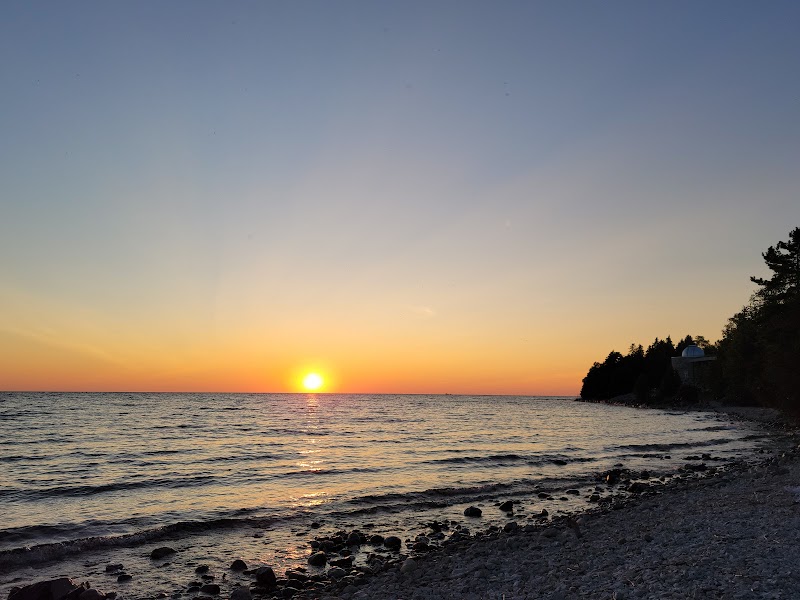
The experience begins with a short paddle from a meeting point in Sault Ste. Marie (meeting point details provided at booking). Paddlers skim a coastline of exposed Precambrian bedrock and jack pine, threading between small granite islands where waves have smoothed ancient surfaces. Guides point out traditional travel routes and explain the role of the locks and rapids in both Indigenous life and industrial history, linking natural features to community memory and the ongoing work of reconciliation.
Key features include sheltered bays that make for calm painting stops, low rocky beaches edged with cedar and birch, and vantage points that look back toward the steel skyline of Sault Ste. Marie. The geology is immediate: rounded granite ledges, glacial striations, and thin soils where hardy plants cling. Wildlife is part of the program—watch for mink along the rocks, ospreys over deep water, and migrating waterfowl in season.
Artists work with water-friendly supplies suitable for outdoor painting; instruction is inclusive, designed for anyone comfortable on water who can walk on uneven terrain. Small fires on shore serve as gathering points for sharing food and cedar tea while guides relate oral histories and place-based knowledge. The itinerary balances movement and stillness—paddling, painting, listening—so visitors leave with a painted piece and a fuller sense of place.
Practical details: the trip runs about four hours and recommends ages 10 and up. Guests should be comfortable near water and able to manage short hikes on natural surfaces. The experience is a meaningful option for travelers interested in Indigenous perspectives, quiet outdoor creativity, and hands-on cultural exchange without lengthy travel. As a program operating in Baawaating, the tour is a notable part of Sault Ste. Marie’s outdoor scene— it brings local history onto the water and reframes familiar views through Indigenous storytelling, making ordinary islands and shorelines memorable.
Expect fickle, Lake Superior–influenced weather: sun, wind, or a sudden shower can arrive within an hour, so layered clothing is essential. Guides practice low-impact ethics—pack out waste, avoid trampling shoreline vegetation, and favor biodegradable art materials. Families and small groups report that combining movement, story, and making yields memorable learning. Whether you come to paint, paddle, or listen, Paint & Paddle provides a compact, well-run outing that leaves a small footprint and a lasting impression.
Route Schematic
Route & key stops
The journey follows Baawaating’s waters and islands with planned stops for stories, viewpoints, and onshore sharing.
Paddle out into Baawaating
Begin on the water and travel among islands, taking in the surrounding landscape while guides introduce the trip’s themes and traditional travel routes.
Island pause: fire and cedar tea
Land on an island or shore to gather around a fire, taste cedar tea and participate in cultural sharing and storytelling.
Scenic viewpoint and the locks
Visit a viewpoint where guides discuss the locks, Indigenous connections to the place, and contemporary threads of reconciliation tied to the waterway.
Guests should be comfortable walking on uneven natural terrain and spending time outdoors in varying weather; advise the operator in advance of mobility, dietary or accessibility needs so accommodations can be explored.
Highlights
Outing Highlights
Indigenous-led storytelling on the water
The trip places oral history and cultural context at the center of the route, with guides sharing perspectives on traditional travel routes, local connections to place, and the present-day path toward reconciliation.
Paddling among islands and viewpoints
The experience travels Baawaating’s waters and islands, stopping at scenic viewpoints that frame both natural landscape and the human history tied to these shores.
Fire, cedar tea and food sharing
Onshore pauses include communal elements—fire, cedar tea and food sharing—that ground the outing in ceremony and hospitality while deepening cultural exchange.
What the day feels like
What the trip feels like
Over roughly four hours you move between water and shore, alternating quiet stretches of paddling with focused stops for storytelling, views and small ceremonies. The rhythm is deliberate: learn about traditional routes and local history from Indigenous guides, warm around a fire with cedar tea, and experience the islands and locks that define this stretch of water.
Suitability
Who it's for
Who this outing suits—and who should plan differently.
Practical planner
Details to review before reserving
The experience lasts approximately 4 hours.
Be prepared for uneven natural terrain and variable weather—bring sturdy footwear, weather-appropriate layers, sun protection and anything you need for being outdoors for several hours.
Advise the operator in advance of mobility, dietary or accessibility requests so accommodations can be explored.
All ages are welcome; children 16 and under must be accompanied by a parent or guardian. The experience is recommended for ages 8+ to best engage with the storytelling.
Review cancellation policies before reserving.
Frequently asked questions
Planning Your Outing
How long is the Paint & Paddle experience?
The outing runs approximately 4 hours.
Who can attend? Are children allowed?
All ages are welcome. Children 16 and under must be accompanied by a parent or guardian; the trip is recommended for ages 8 and up to fully enjoy the storytelling and experience.
Do I need to be physically fit?
Guests should be comfortable walking on uneven natural terrain and spending time outdoors in varying weather conditions.
Can the operator accommodate dietary or mobility needs?
Yes—please advise the operator in advance of mobility needs, dietary needs, or accessibility requests so accommodations can be explored.
What will we do onshore?
Onshore pauses include communal elements such as a fire, cedar tea and food sharing alongside storytelling and cultural discussion.
What should I wear?
Dress for variable weather and natural terrain—sturdy shoes, layered clothing and sun/rain protection are recommended.
How this guide was prepared
This field guide is synthesized using verified supplier specifications, route descriptions, and destination data. Some booking links may generate affiliate revenue for ADV Guides.
- Verified: 2026-09-14T12:08:57.829Z
Some booking links may generate revenue for ADV Guides or The Adventure Collective.
Availability, pricing, schedules and operating details can change.
Trip details and contextual sources were reviewed by ADV Guides Editorial.