About This Adventure Destination
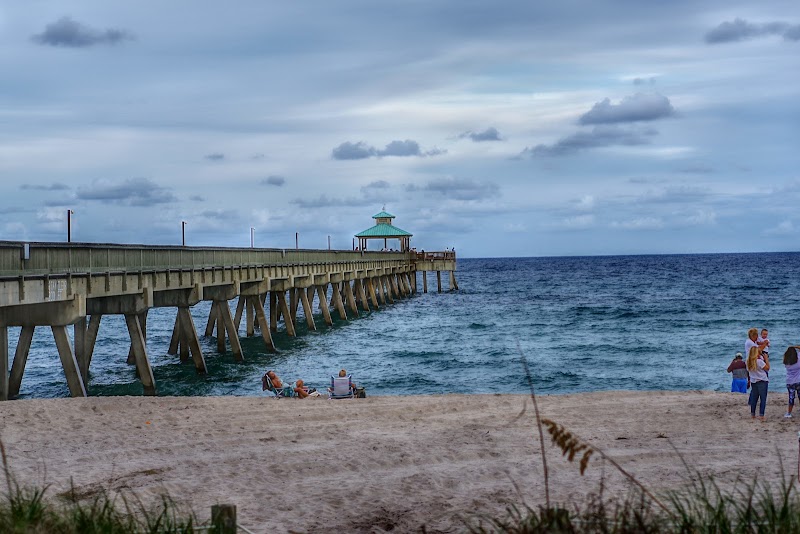
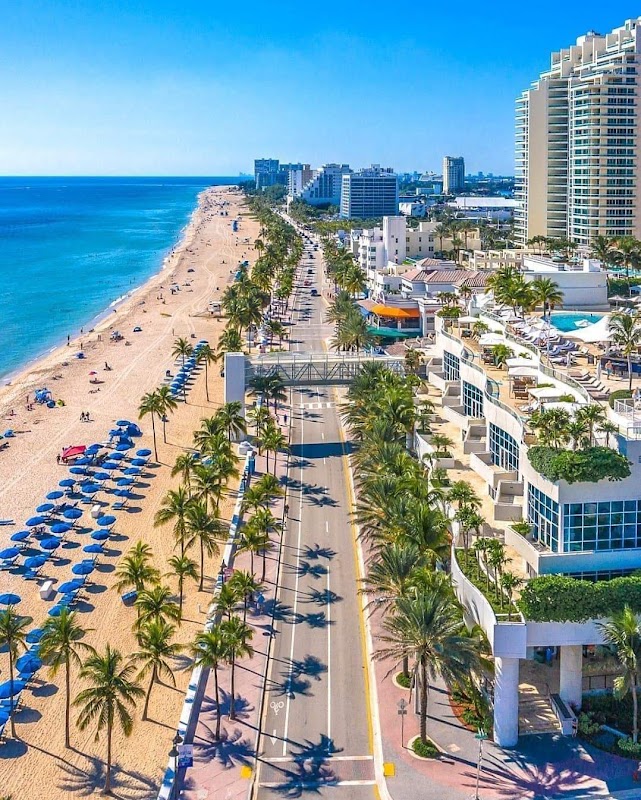
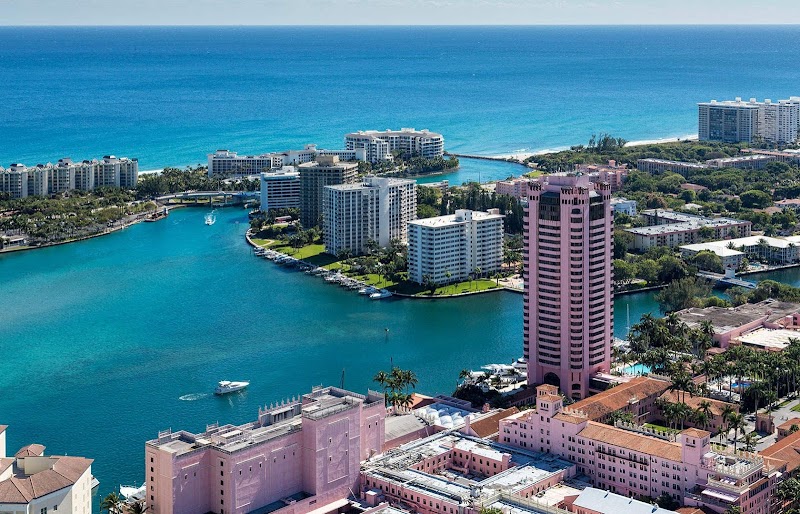
Boca Raton, located in southeastern Florida along the Atlantic coastline, offers a delightful blend of urban sophistication and natural wonders. This vibrant city is well known for its stunning beaches, sparkling turquoise waters, and lush landscapes. What makes Boca Raton stand apart is its proximity to unique coastal ecosystems, including salt marshes, estuaries, and mangrove preserves that provide a refuge for diverse wildlife. Visitors are often drawn to its extensive waterfront areas where natural beauty combines with leisurely outdoor activities.
Among the key natural features near Boca Raton is the expansive Intracoastal Waterway, which winds gracefully through the city, allowing for picturesque boat rides and glimpses of native flora and fauna in their natural habitats. The nearby Gumbo Limbo Nature Center gives visitors an up-close look at coastal ecosystems, especially its sea turtle rehabilitation program and butterfly garden. This combination of urban life and access to maritime and subtropical environments makes Boca Raton a special destination for anyone interested in water-based nature experiences and coastal ecology.
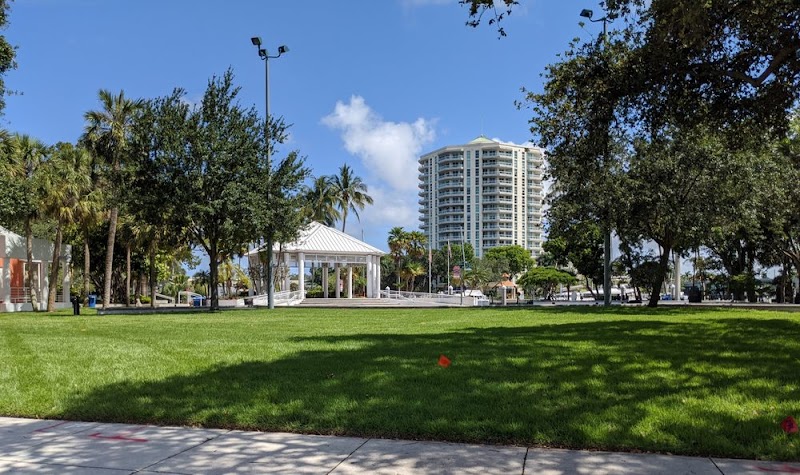
Boca Raton’s subtropical climate fosters diverse vegetation, including palm trees, sea grapes, and mangrove trees—important for shoreline protection and wildlife habitats. The gentle Atlantic breeze and warm waters invite active pursuits like kayaking and paddleboarding along the calm lagoons. Culture blends with nature here, as seen in the numerous parks that offer scenic views and the carefully preserved coastal habitats that reflect Florida’s rich environmental heritage.
Whether visitors seek warm ocean waters or vibrant coastal green spaces, Boca Raton stands out as a location where urban comfort meets nature’s artistry in an inviting coastal setting.
Boca Raton features beautiful coastal environments and outdoor water sports activities but lacks distinctive natural geological or ecological landmarks. The area's attractions mostly derive from man-made developments and typical subtropical coastal ecosystems rather than rare or unique natural formations.