About This Adventure Destination
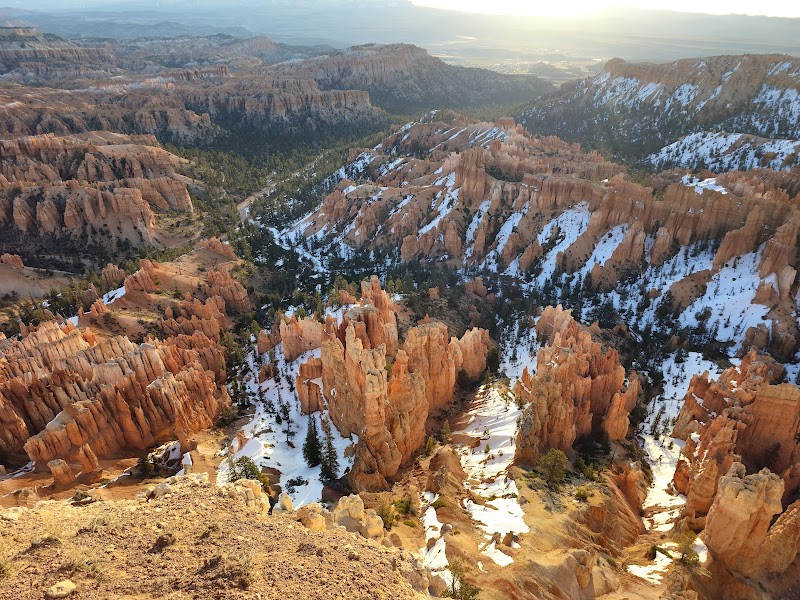
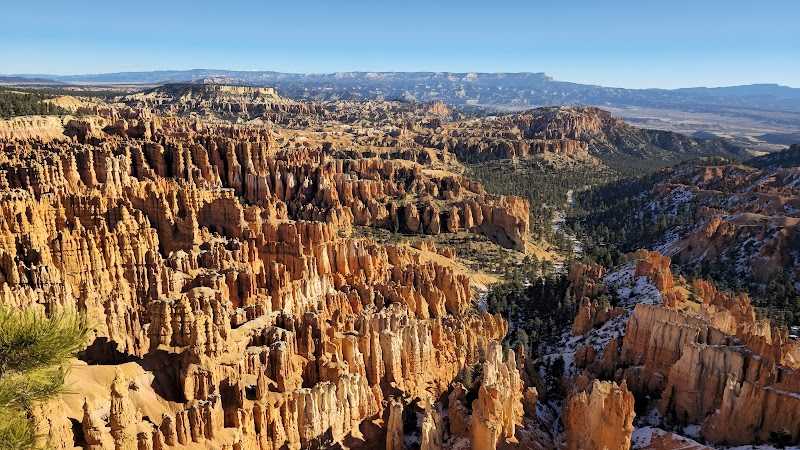
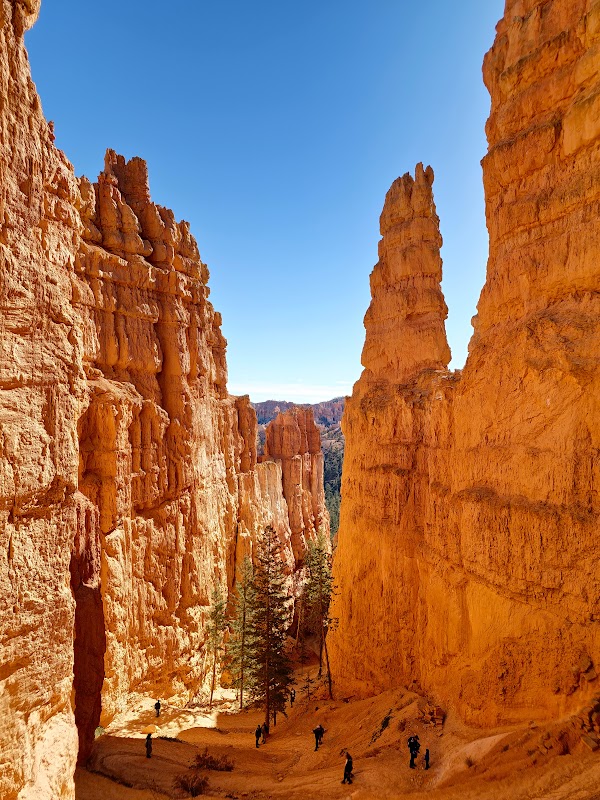
Bryce Canyon National Park, located in southern Utah, is an extraordinary natural destination known for its striking rock formations and vibrant colors. Unlike typical canyons, Bryce Canyon features thousands of hoodoos — slender spires of weathered rock that rise dramatically from the canyon floor. These formations are carved over millions of years through frost-wedging and erosion, offering a unique landmark in the American Southwest. The park’s vast natural amphitheater is especially spectacular at sunrise and sunset, when the hoodoos glow with brilliant shades of red, orange, and pink, casting long shadows that highlight their jagged shapes.
The park’s geological features are complemented by its diverse ecosystem. Visitors often spot mule deer wandering quietly among the trees or catch glimpses of colorful bird species flying overhead. The presence of ancient Great Basin Bristlecone Pines adds a timeless quality to the forests along the rim. Established in 1928, Bryce Canyon also holds cultural significance for Native American tribes, some of which regard the hoodoos as stone figures with spiritual meaning.
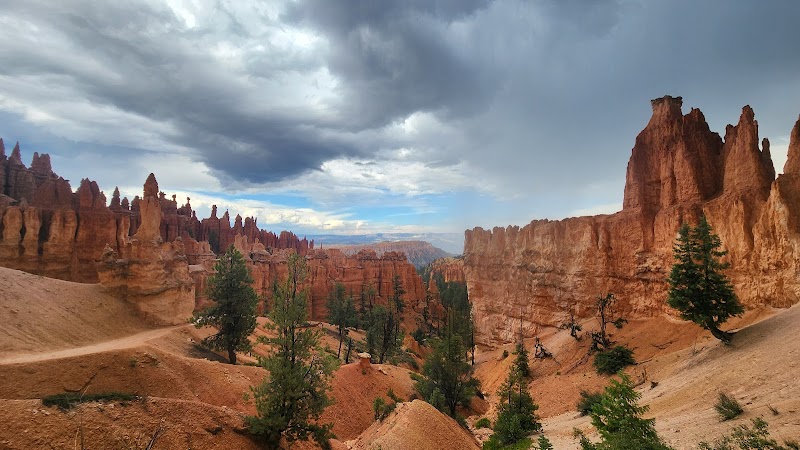
Bryce Canyon offers multiple trails for visitors to enjoy, including the accessible Rim Trail, which offers panoramic views, and the more rugged Navajo Loop Trail, descending into the amphitheater among the hoodoos. This blend of unique rock formations, stunning colors, and natural wildlife makes Bryce Canyon a remarkable destination in Utah’s scenic landscape. Visitors appreciate its peaceful beauty and unforgettable vistas—a true marvel of nature’s craftsmanship.
Bryce Canyon earns a high score due to its unique geographical formations, specifically the hoodoos, and its status as a national park rich in natural and cultural history. The vibrant colors and unique rock structures make it one of the most iconic natural landmarks in the world.