About This Adventure Destination
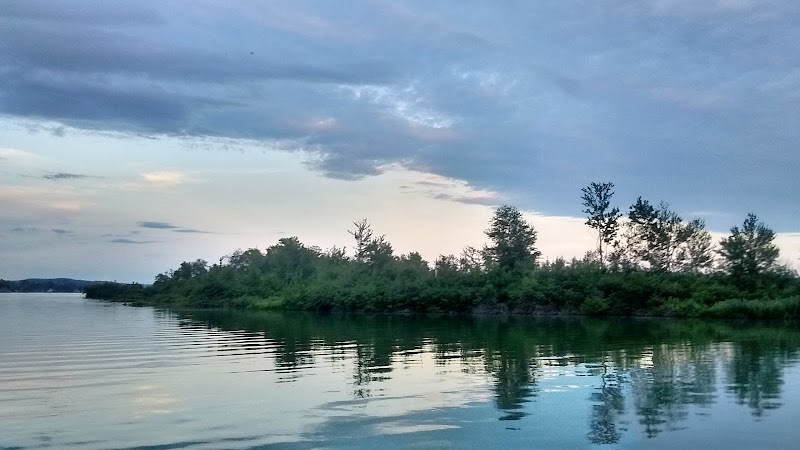
Cranberry Bog State Nature Preserve, located near Buckeye Lake in Ohio, offers visitors a remarkable glimpse into a rare natural formation. This floating bog is one of the few of its kind in the world—a buoyant island of moss and plants that drifts on the surface of the lake. Its origins date back over 13,000 years to the last Ice Age, making it a geological and ecological treasure of this region. Unlike typical land bogs, Cranberry Bog floats atop Buckeye Lake, providing a fragile habitat for a wide range of specialized flora and fauna.
Key features include distinctive plants such as the cranberry for which it’s named, the carnivorous pitcher plant, and the round-leaved sundew. Two types of orchids also grow here, adding to the botanical richness. Historically, some plants on the bog were used by Native American tribes and early settlers for medicinal purposes, linking the land to cultural heritage.
Visitors are drawn by the chance to witness this uncommon ecosystem firsthand, but access is limited to preserve its delicate state. Viewing usually requires a boat and often reservations to enter safely. Recent infrastructure work on the dam draining parts of the lake has temporarily affected access and maintenance, but the preserve remains a prized conservation area and natural curiosity.
The preserve’s combination of ecological rarity, historical significance, and serene beauty makes it a standout destination in the Buckeye Lake area. Visitors describe it as an unforgettable experience, offering an almost otherworldly sensation of walking on living moss with water all around.
Cranberry Bog State Nature Preserve is a rare and ecologically significant site, offering unique natural features such as rare plant species and a floating bog ecosystem. Its protected status and limited access enhance its charm, but it is not one of the most widely recognized natural landmarks on a global scale.