About This Adventure Destination
Located in Citrus County, Florida, the Citrus Wildlife Management Area (WMA) stands out as a natural refuge offering diverse ecological experiences. Spanning thousands of acres, this protected area is unique for its combination of flatwoods, wetlands, and hardwood hammocks, making it an important habitat for numerous wildlife species and plants native to Central Florida. Visitors here encounter an expansive, rugged sandy terrain intersected by forested zones and marshy sections, creating a rich mosaic that supports everything from white-tailed deer and wild turkeys to a variety of bird species and reptiles.
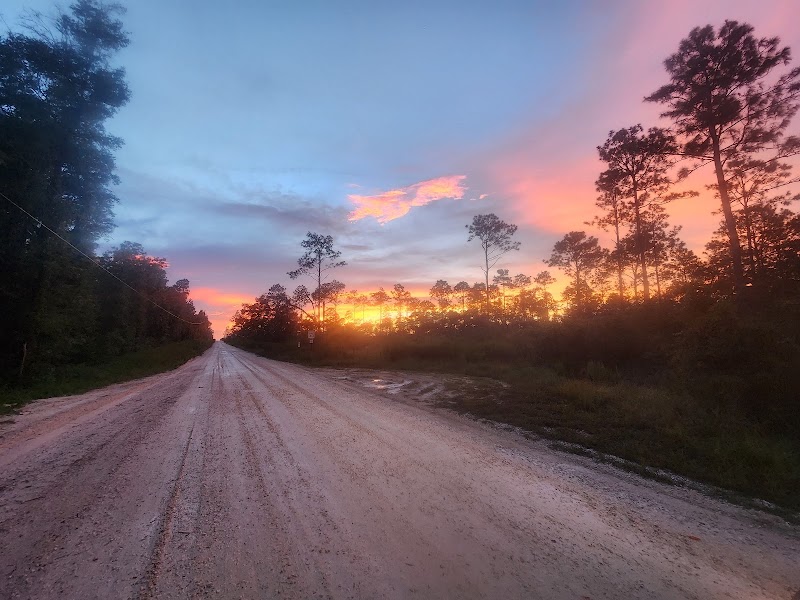
The landscape features sandy trails and off-road routes that cut through pine forests, with occasional wetlands that come alive with native flora during wetter seasons. Controlled burns are regularly conducted to maintain the health of the ecosystem, allowing fire-adapted vegetation to thrive. Beyond its ecological value, the area has garnered respect among outdoor enthusiasts for its accessibility and scenic views of untouched Florida wilderness.
This WMA is also culturally significant as it reflects Florida's conservation efforts since its establishment, focusing on balancing wildlife preservation with public recreation. The quiet environment is ideal for wildlife photography, hiking, and off-road adventures, providing a genuine outdoor experience away from crowded state parks. Crisp morning skies and colorful sunsets paint the horizon, enhancing the natural beauty of this often-overlooked destination in Florida’s landscape.
For nature lovers seeking a tranquil, wild setting, Citrus Wildlife Management Area offers a blend of ecological importance and outdoor recreation opportunities that make it a noteworthy stop in the region.
Citrus Wildlife Management Area offers great outdoor activities such as off-roading, wildlife viewing, and hiking within a preserved natural habitat, making it a valuable nature destination in Florida. However, compared to globally unique or rare natural landmarks with distinctive geological formations or ecological features, it scores moderately. Its appeal lies more in its accessibility and natural quiet than in unique or dramatic natural features that attract international visitors.