About This Adventure Destination
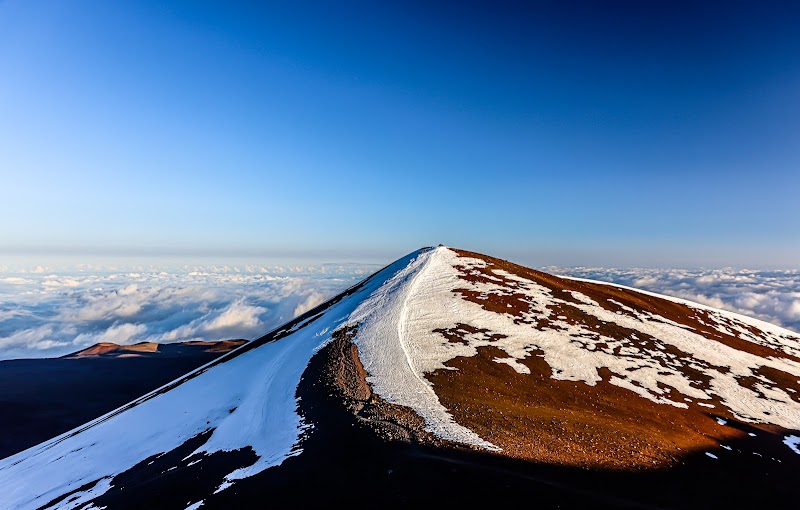
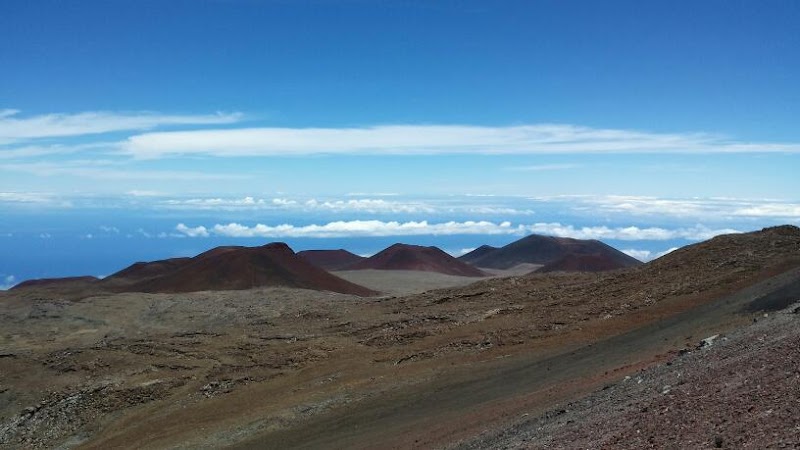
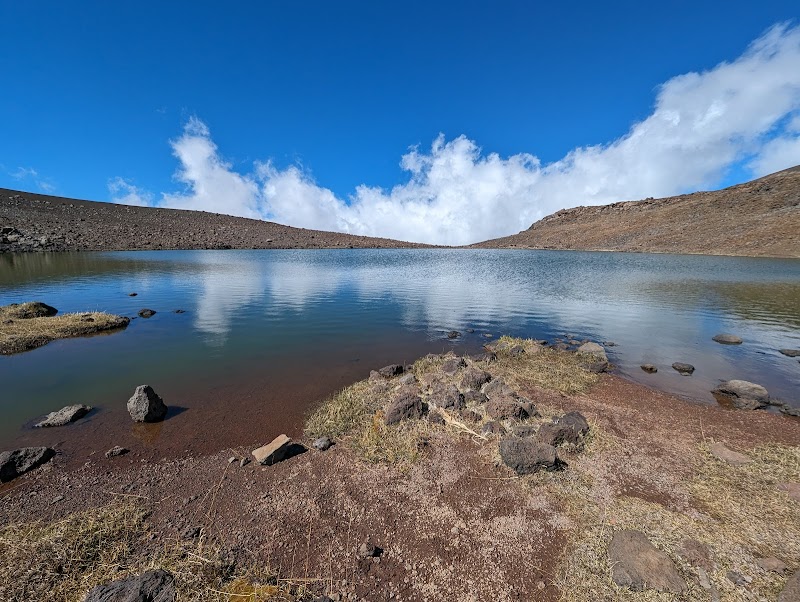
Mauna Kea Ice Age Natural Area Reserve, located in the central highlands of the Big Island of Hawaii, offers a rare glimpse into an ancient volcanic environment shaped by natural forces over thousands of years. This reserve surrounds Mauna Kea’s summit region and features unique geological formations from the Ice Age, including layers of volcanic ash and glacial deposits uncommon in tropical locations. The landscape is raw and rugged, with volcanic rock, sparse alpine vegetation, and small alpine lakes visible at the higher elevations. Visitors experience an extraordinary contrast to Hawaii's lush, tropical image as they explore a terrain defined by past volcanic activity and ancient ice age influences.
The reserve is distinguished by its incredible combination of geology and ecology. It protects delicate alpine ecosystems, home to native plants adapted to the cool, dry air near 13,796 feet elevation where the summit of Mauna Kea stands. This site holds cultural significance for native Hawaiians, who regard Mauna Kea as a sacred mountain. The natural area was officially designated to conserve this fragile environment and its unique geological history. Visitors can witness panoramic views of the island from here and often experience clear, deep blue skies that reflect on small pools formed by melted ice and rain.
With a terrain unlike anywhere else in the Hawaiian Islands, the Mauna Kea Ice Age Natural Area Reserve invites travelers interested in geology, ecology, and cultural heritage to appreciate a stark yet beautiful landscape sculpted by fire and ice.
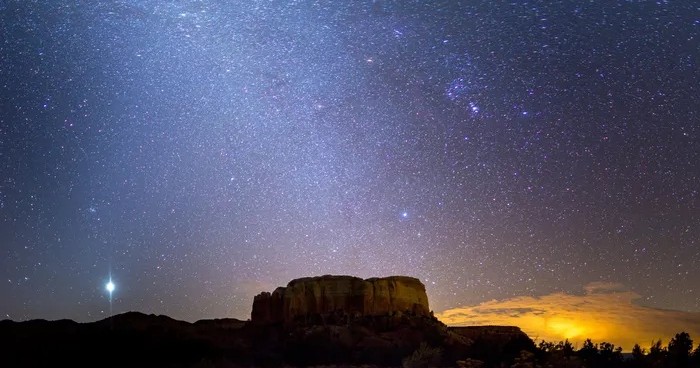
Mauna Kea Ice Age Natural Area Reserve is an exceptional natural site due to its unique combination of volcanic and glacial features in a tropical setting, as well as its cultural significance. While it may not have the volume of visitors or global recognition of other renowned landmarks, its distinct geology, high-altitude environment, and prime stargazing opportunities make it a standout destination for nature lovers and adventurers interested in rare ecological and geological experiences.