About This Adventure Destination
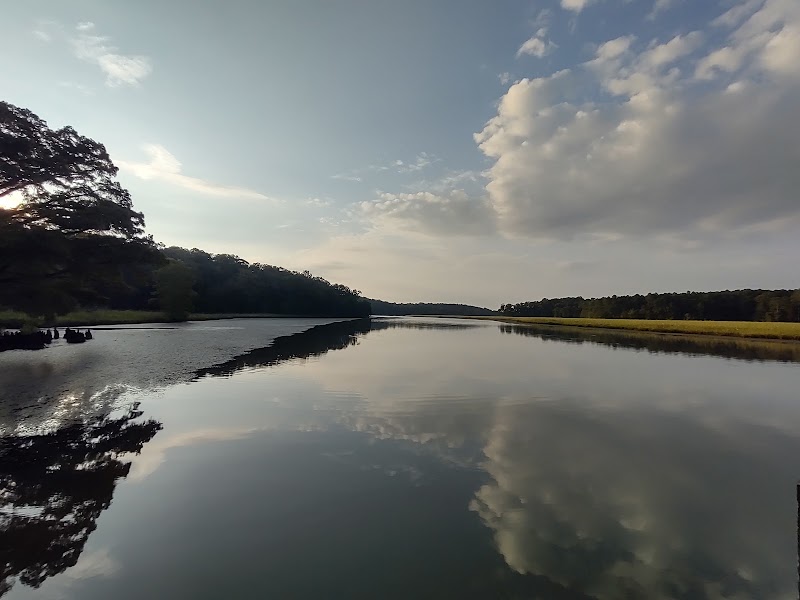
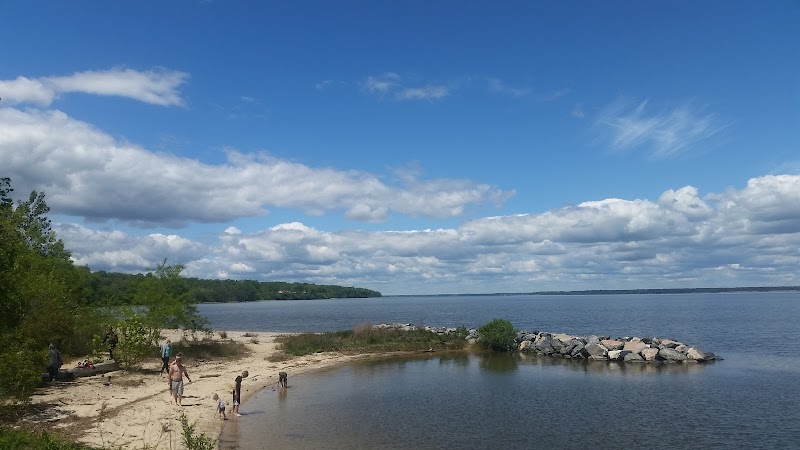
James River National Wildlife Refuge is a tranquil natural area located along the scenic James River near Hopewell, Virginia. This refuge is notable for protecting habitats along a historic stretch of the river, combining tidal wetlands, swamp forest, and upland hardwoods. Visitors find it a standout destination in the region for experiencing the peaceful convergence of river and forest ecosystems, rich in diverse wildlife including migratory birds, deer, and otters. The refuge's extensive waterways and dense forests offer opportunities to observe nature where the James River’s fresh and saltwater meet. Here, you see an outstanding mix of plant and animal species unique to the mid-Atlantic region’s tidal environments.
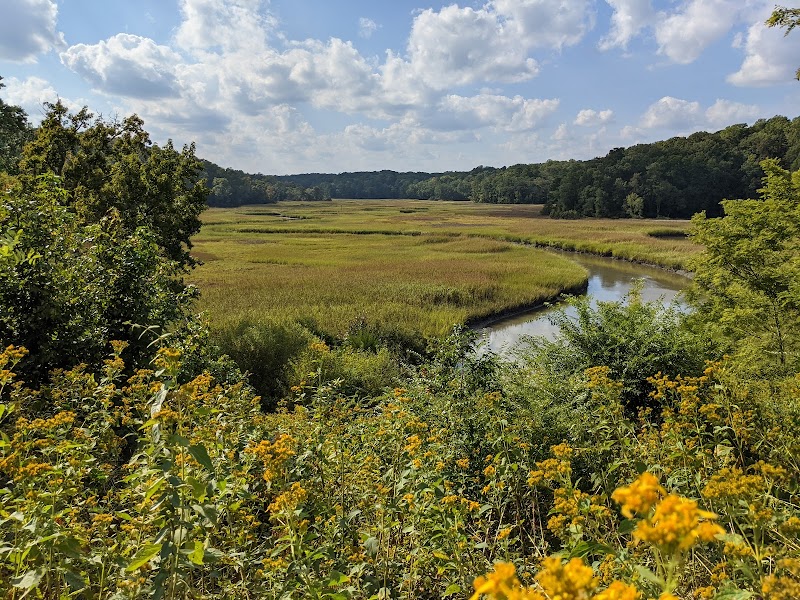
One of the key natural features visitors encounter is the tidal freshwater marsh system, vital for fish spawning and supporting rare plants and birds. The forested wildlife habitats provide critical refuge to native mammals and birds, making it a prime spot for birdwatching. Established by the U.S. Fish and Wildlife Service in 1991, the refuge aims to protect these rare natural resources while allowing public access for low-impact recreation such as hiking, birding, and photography. Nearby, remnants of colonial history and indigenous heritage enrich the cultural backdrop.
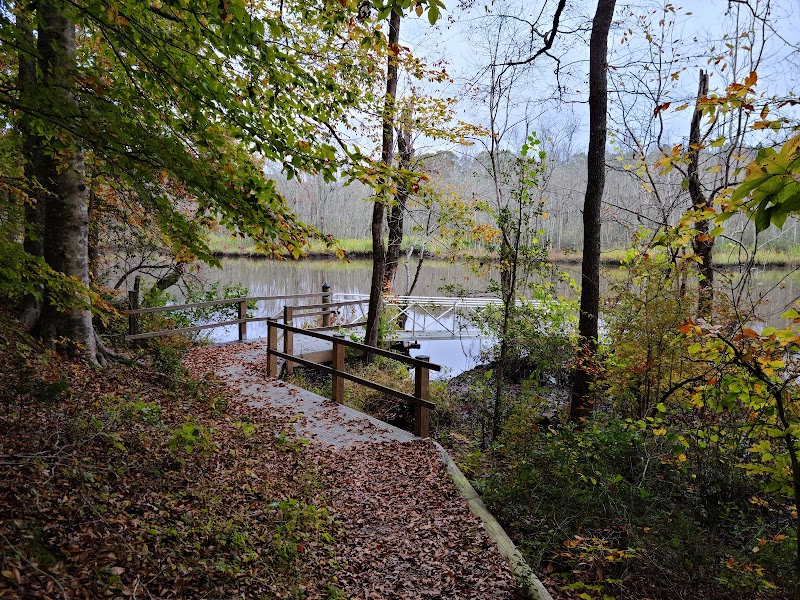
The refuge’s environment shifts with the seasons, from vibrant bird migrations in spring and fall to quieter winter landscapes, offering a changing experience year-round. Its combination of tidal wetlands and upland forest alongside a major river makes this refuge a distinctive example of Virginia’s natural heritage and a refreshing outdoor destination just outside metropolitan areas.
James River National Wildlife Refuge offers a rich natural habitat unique to its tidal river location making it a valuable and appealing destination for nature lovers and wildlife enthusiasts. However, it is more of a regional natural gem than a landmark with worldwide iconic status due to its modest scale and specialized ecosystem. Its importance lies in habitat preservation rather than dramatic geological features, giving it solid appeal for those interested in peaceful wildlife observation and river habitats rather than the larger-scale iconic natural landmarks.