About This Adventure Destination
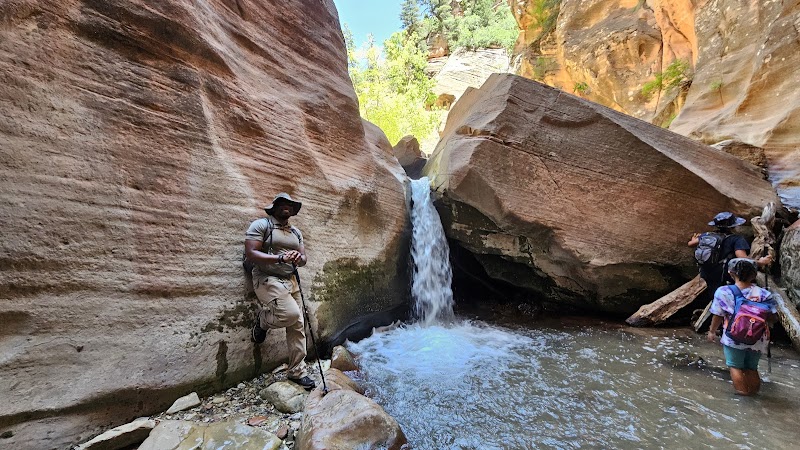
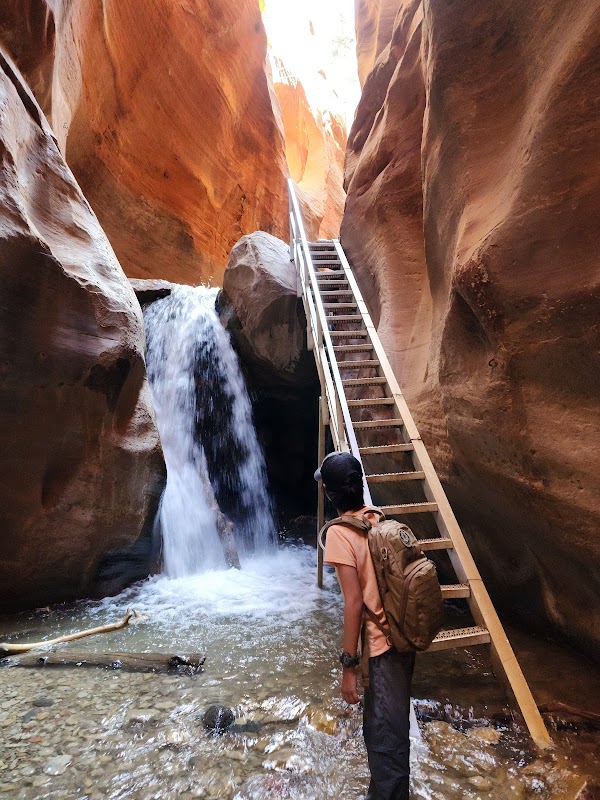
Kanarra Falls is a hidden gem located near the small town of Kanarraville in southern Utah. This unique natural destination features a series of stunning waterfalls flowing through a narrow sandstone slot canyon, making it a remarkable spot for hikers and nature lovers alike. The canyon walls are formed from smooth, reddish Navajo sandstone, sculpted over millennia by flowing water, which creates a captivating contrast with the vibrant turquoise pools below the falls. The hike to Kanarra Falls is not only a journey through beautiful terrain but also includes wading through shallow water and scrambling alongside cascades, offering an immersive experience blending hiking and light water adventure.
One of Kanarra Falls' most fascinating features is its slot canyon environment, where towering sandstone walls rise vertically on either side, offering shade and intimacy. The falls themselves vary in height, some plunging directly into crystal-clear pools, while others trickle down steep slopes, inviting visitors to pause and enjoy the tranquil sound of flowing water. For visitors interested in local culture, the area around Kanarraville is rich in pioneer history, and the canyon is said to have been used as a water source in early settlement days.
Overall, Kanarra Falls is a standout attraction in Utah’s landscape. Its combination of a slot canyon, cascading waterfalls, and opportunities to immerse in cool, refreshing streams sets it apart from other regional hikes. This destination is especially popular during spring and early summer, when water levels are ideal for safe passage and viewing. Kanarra Falls offers a beautifully balanced adventure that brings together geology, water, and the charm of southern Utah’s desert environment.
Kanarra Falls is widely admired for its distinctive slot canyon waterfalls and the blend of hiking with water-crossing adventures. Its geological beauty and refreshing natural pools offer a special experience in Utah's desert region, attracting many visitors each season. However, while unique and memorable, it ranks below the top tier of global natural landmarks due to its regional, rather than international, prominence.