About This Adventure Destination
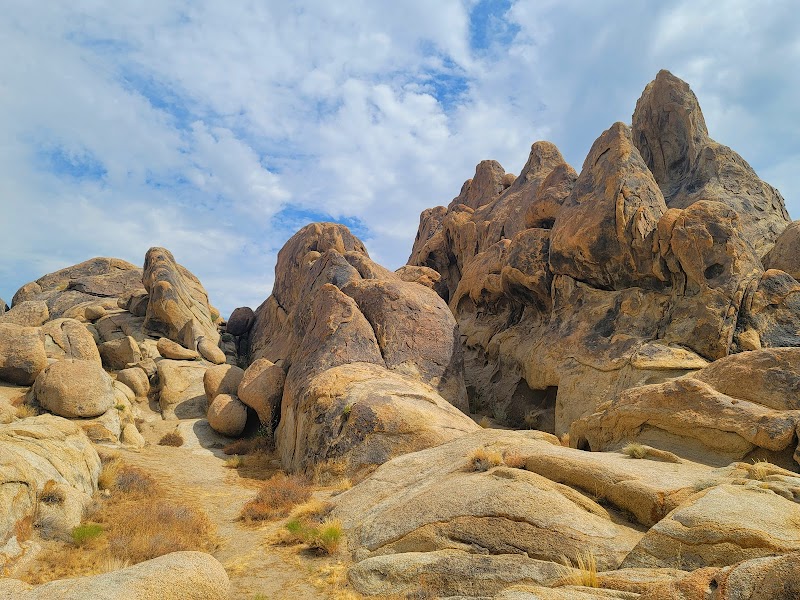
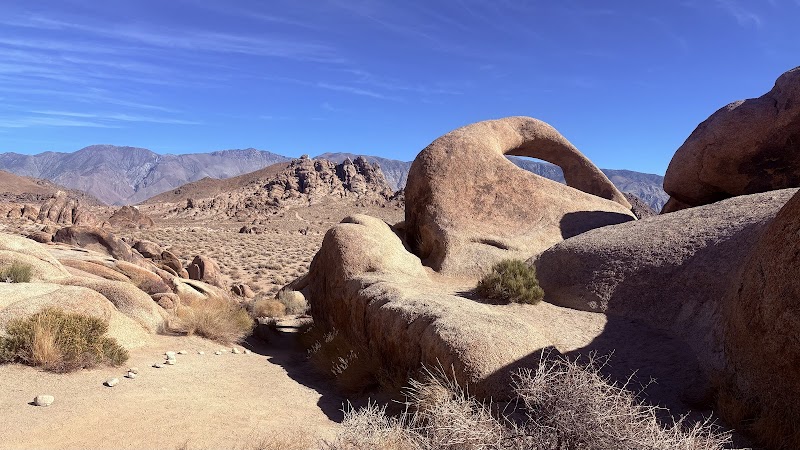
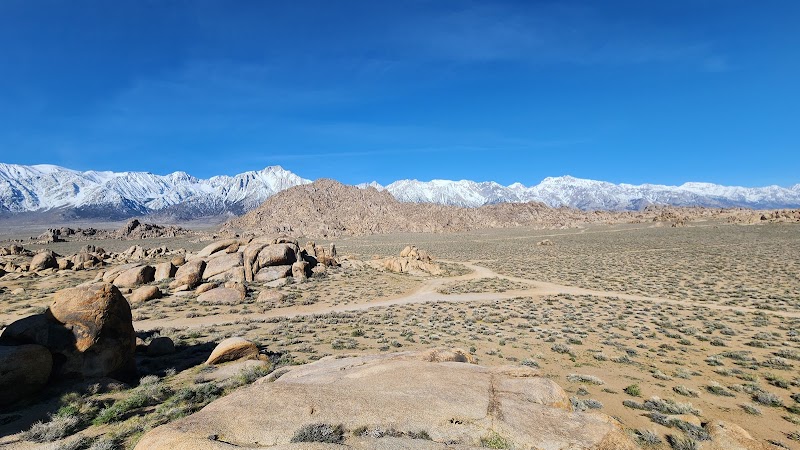
Lone Ranger Canyon, located near Lone Pine in California’s eastern Sierra Nevada region, is a captivating destination known for its striking rock formations and cinematic history. Situated within the larger Alabama Hills area, this canyon stands out for its unusual granite boulders dramatically sculpted over millennia by wind and ice. These rugged formations create a unique landscape that changes with the light, casting shadows and shapes that intrigue photographers and nature lovers alike.
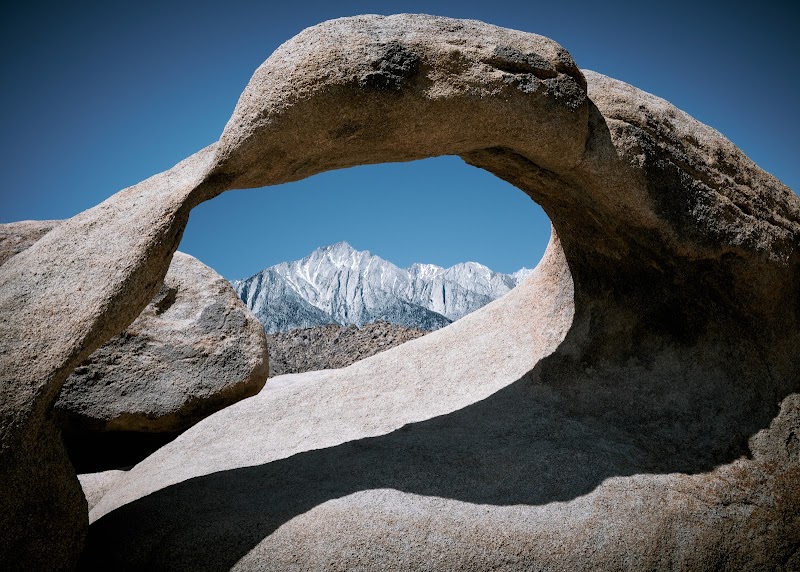
The canyon’s proximity to the towering Sierra Nevada peaks offers breathtaking views of snow-capped mountains contrasting with arid desert terrain below. The geological features include massive granite monoliths that appear almost sculpted, inviting visitors to imagine the natural forces at work over millions of years. Lone Ranger Canyon also carries rich cultural significance as an iconic filming location of the 1938 Lone Ranger movie, giving it a nostalgic connection to classic American Western cinema.
Nature enthusiasts will appreciate the hardy desert plants thriving in this terrain, as well as occasional sightings of local wildlife such as coyotes and birds of prey. The quiet vastness of the area encourages peaceful reflection or a laid-back day of reading amid spectacular scenery. Walking and short hiking paths offer moments of discovery, while the clear night skies make the canyon a favored spot for stargazing.
Whether appreciating nature’s artistry or soaking up cinematic history, Lone Ranger Canyon offers a distinctive mix of geological beauty and cultural heritage in the High Sierra desert landscape.
Lone Ranger Canyon is a remarkable destination known for its stunning natural scenery and geological features. While it offers fantastic outdoor activities and historical intrigue, its recognition as a global icon is more niche, appealing primarily to those with an interest in geology and outdoor adventures.