About This Adventure Destination
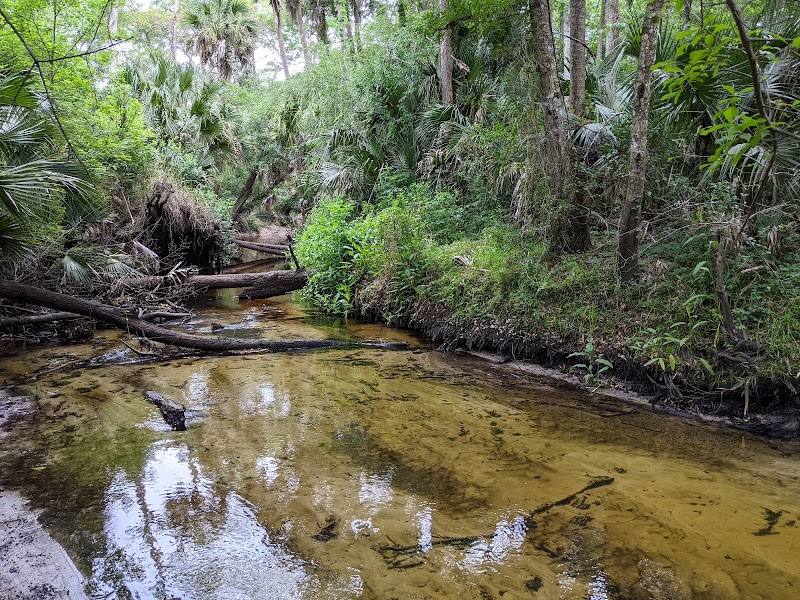
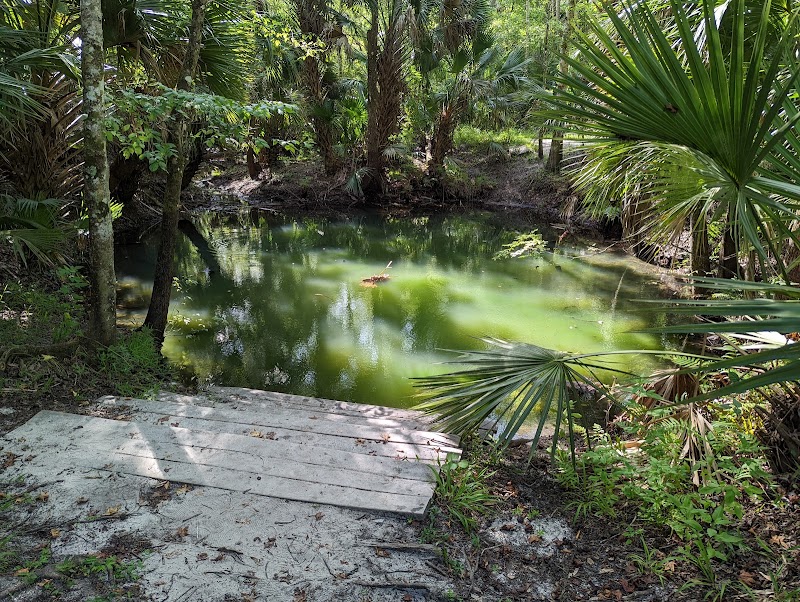
Spring Hammock Preserve, located in the suburban region of Longwood, Florida, offers a distinctive natural retreat within Central Florida’s landscape. This preserve showcases a gently flowing spring-fed pond surrounded by a lush hammock ecosystem, characterized by a diversity of native hardwoods and tropical flora flourishing in the subtropical climate. What makes Spring Hammock Preserve remarkable is its calm, almost hidden water feature — a cool, greenish pond that provides habitat for local amphibians, turtles, and bird species, creating an intimate wildlife viewing opportunity unusual for the area.
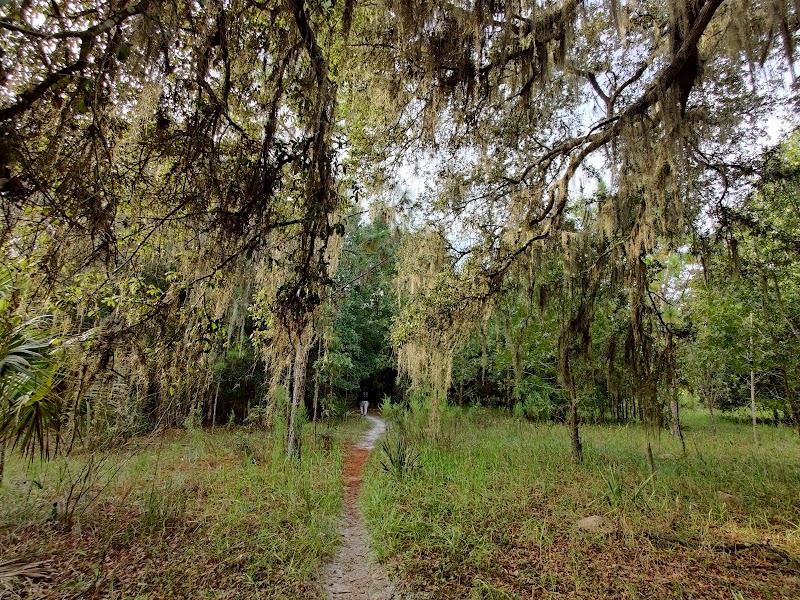
The preserve’s terrain is a blend of sandy soils and dense understory, with shade cast by mature trees such as live oaks and palmettos. This ecosystem provides an essential microhabitat supporting rare plant species and a peaceful environment distinct from Florida’s more common wetland regions. The natural spring sustains the pond, maintaining clean water year-round and giving the area a refreshing and tranquil atmosphere.
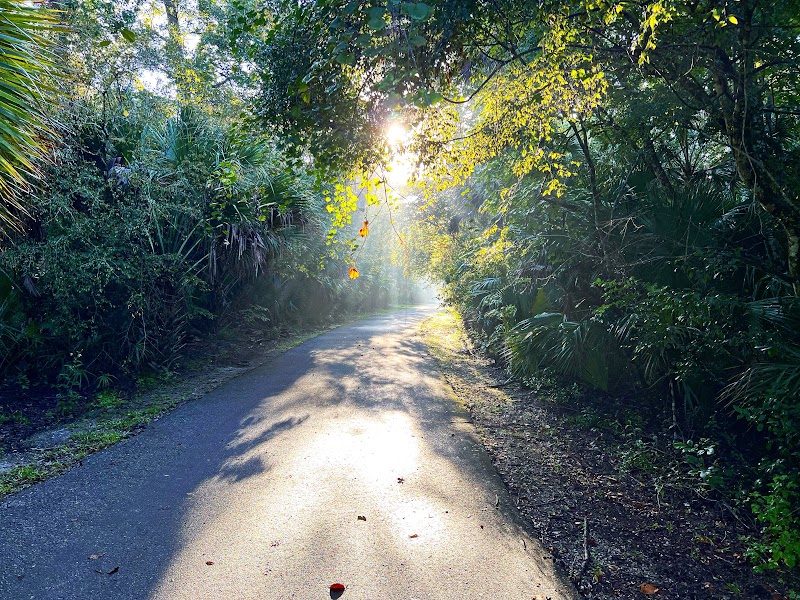
Visitors are drawn to the organic beauty and tranquillity here — the wooden trail sections and natural paths guide visitors through peaceful surroundings teeming with subtropical life. Historically, this natural hammock area represents the kind of native Florida landscape that suburban development has encroached upon, making its preservation critical for regional biodiversity and educational opportunities.
Spring Hammock Preserve stands out for its clear, slow-moving spring water, combined with a native hammock setting, offering an accessible and serene outdoor encounter within a suburban context.
Spring Hammock Preserve offers a peaceful example of subtropical hammock ecosystems with an attractive spring-fed pond setting. While it is an important local natural spot providing habitat preservation and quiet outdoor experiences, it lacks large-scale geological features or uniqueness found in world-renowned natural landmarks. This results in a mid-level rating reflecting its value for suburban nature lovers and educational visitors rather than international iconic status.