Ppurushottam hazaria month ago
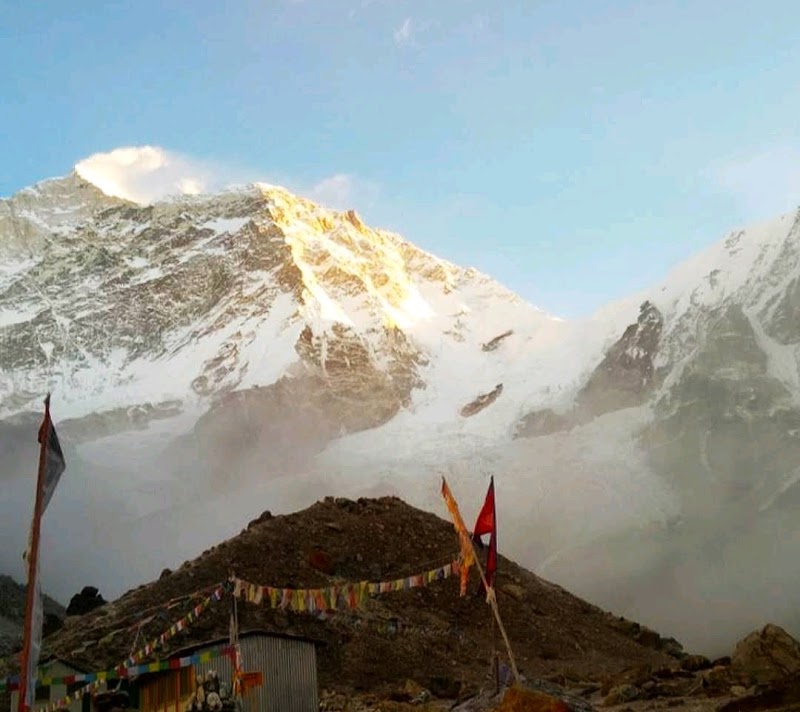
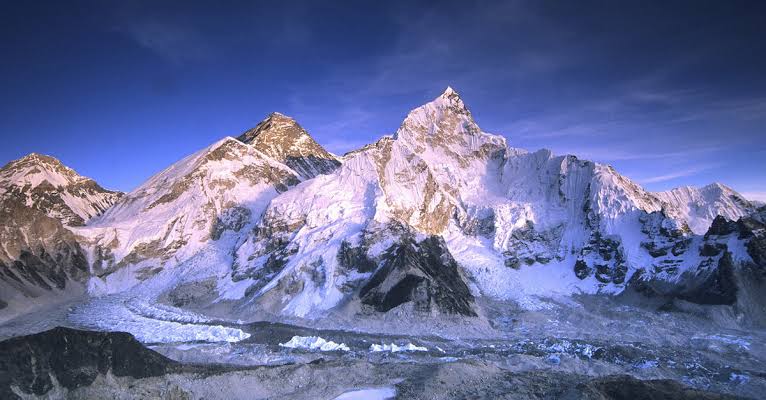
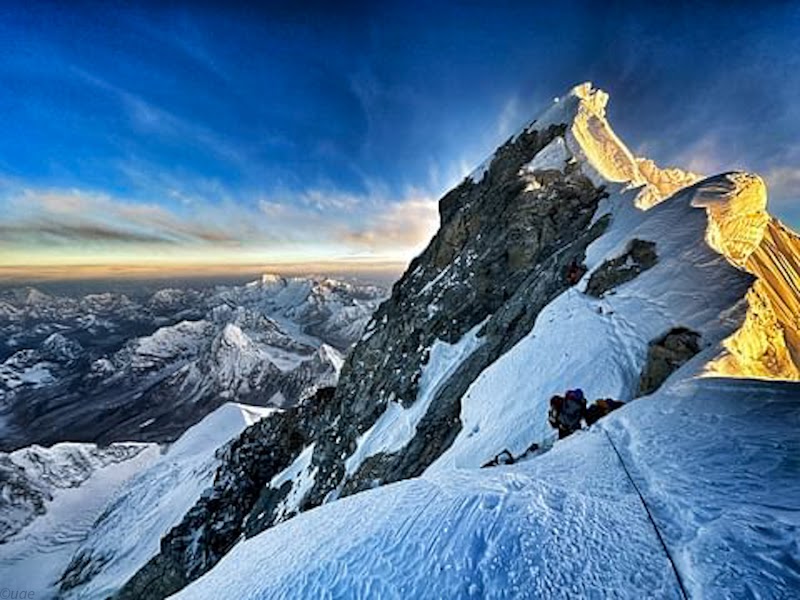
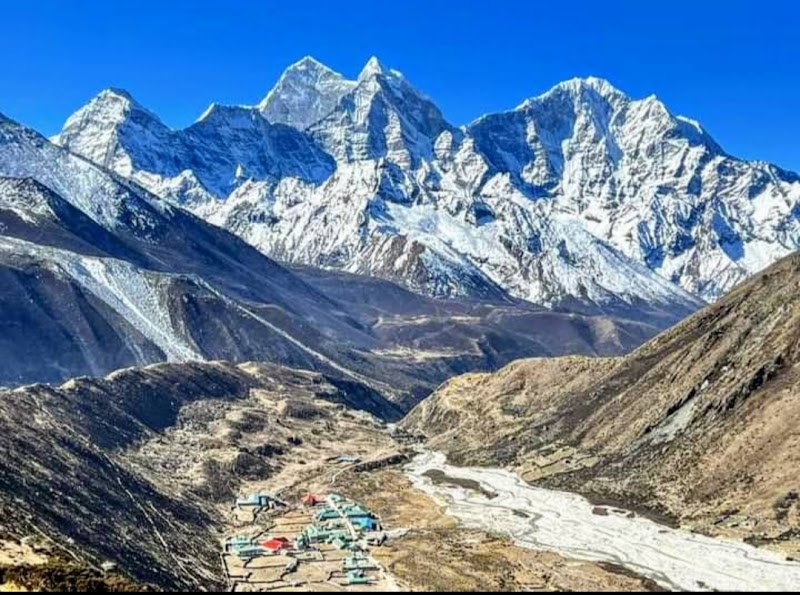
The world's fifth-highest mountain at 8,485 meters, stands majestically in the Mahalangur Himalayas on the border of Nepal and Tibet. Recognized for its distinctive pyramid-shaped summit, it has long been admired by mountaineers for its raw beauty, technical difficulty, and untouched wilderness. Unlike Everest, Makalu remains comparatively less crowded, preserving its authentic Himalayan character. Historically, Makalu was considered one of the most challenging peaks to climb due to its steep ridges, exposed rock sections, unpredictable weather, and high avalanche risk. The first successful ascent was made in 1955 by a French expedition, marking a significant achievement in Himalayan mountaineering. Since then, the mountain has earned a reputation as one of the most technically demanding 8,000-meter peaks, attracting experienced climbers from around the world. In the present day, Makalu continues to offer an extraordinary adventure while maintaining its pristine environment. Improved expedition logistics, better weather forecasting, advanced climbing equipment, and enhanced safety measures have increased the chances of successful ascents. However, the mountain still demands exceptional physical fitness, technical climbing skills, and careful acclimatization. The route remains challenging, making Makalu a true test of endurance and mountaineering expertise. The surrounding Makalu-Barun National Park is equally impressive, featuring dense forests, alpine meadows, glaciers, and remarkable biodiversity. Visitors and trekkers frequently encounter rhododendron forests, rare orchids, red pandas, Himalayan black bears, snow leopards, and numerous species of birds. The trekking route to Makalu Base Camp is renowned for its peaceful atmosphere, spectacular landscapes, and minimal tourist crowds, offering a more intimate Himalayan experience. Today, Makalu is highly respected among professional climbers for preserving the spirit of traditional mountaineering. Its breathtaking scenery, dramatic glaciers, and untouched natural beauty leave a lasting impression on every visitor. Whether admired from a distance or climbed by seasoned mountaineers, Makalu represents courage, determination, and the timeless grandeur of the Himalayas. At 27,838 feet, it is the fifth highest mountain in the world. Located in the Mahalangur Himalayas on the border of Nepal and Tibet. With its distinctive pyramid-shaped peak, vast glaciers, and natural beauty, Makalu is considered one of the most attractive and challenging mountains in the Himalayas. Even today, the mountain is less crowded than Everest, preserving its natural beauty and tranquility. In the past, Makalu was considered a very difficult mountain to climb. Its steep cliffs, narrow glaciers, sudden weather changes, strong winds, and avalanche hazard made it extremely challenging. In 1955, a French expedition successfully reached its summit for the first time, adding a new chapter to mountaineering history. Since then, Makalu has been considered a true test of courage, endurance, and technical skill for experienced climbers. Nowadays, expeditions have become more organized than ever before, thanks to modern mountaineering equipment, better weather forecasting, trained guides, communication facilities, and advanced security systems. Nevertheless, Makalu is still considered suitable only for experienced and technically competent climbers. Its arduous climb, high altitude, and harsh weather conditions make it one of the most challenging 8,000-meter mountains in the world.
The Makalu-Barun National Park is another special feature of this region. Dense forests, alpine meadows, vast glaciers, rare wildlife, including the red panda, snow leopard, Himalayan black bear, and numerous bird species are found here. The Makalu Base Camp trek, with its natural tranquility, breathtaking scenery, and low tourist numbers, holds a special attraction for travelers seeking to experience the Himalayas in its true and serene glory.