About This Adventure Destination
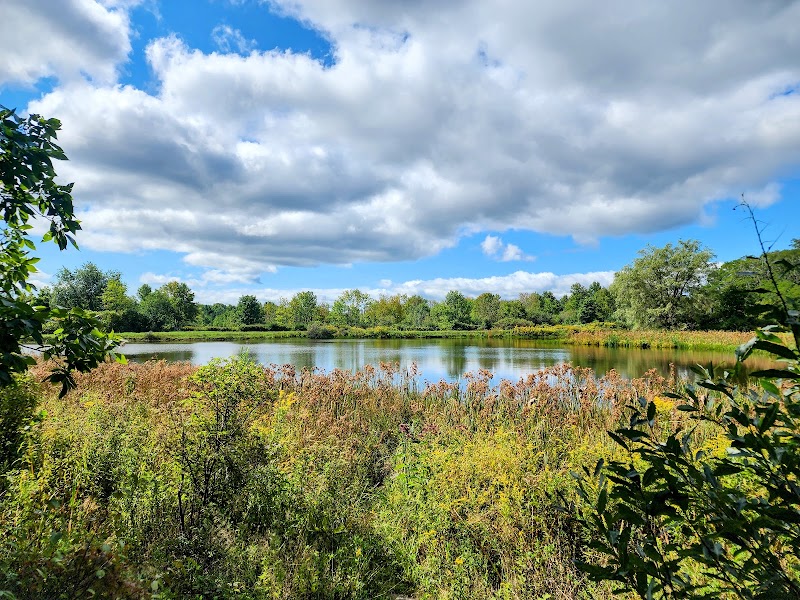
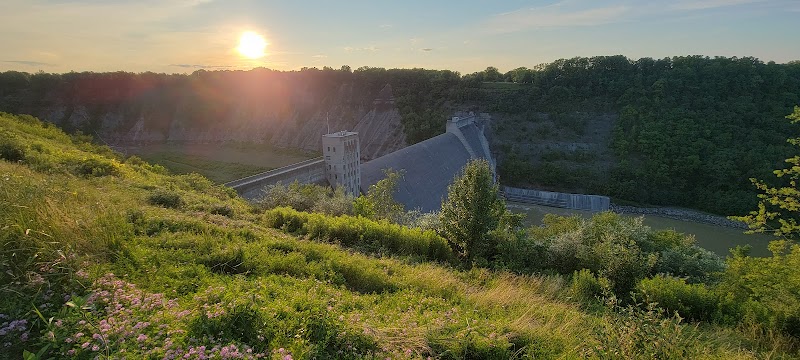
Mount Morris Dam, located near the town of Mount Morris in New York’s Finger Lakes region, offers a striking blend of human engineering and natural landscape. This impressive concrete gravity dam crosses the Genesee River, creating the expansive Mount Morris Reservoir, a vital water source for the surrounding area. Visitors are drawn to the serene reservoir waters, framed by gently rolling hills and dramatic limestone cliffs shaped by glaciers thousands of years ago. The dam presents a bold contrast to the peaceful environment, highlighting a fascinating interaction between built and natural worlds.
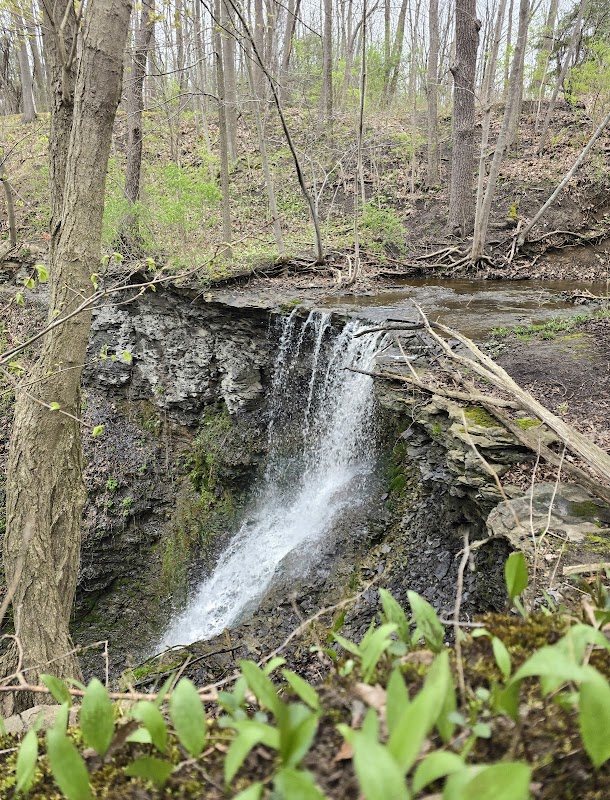
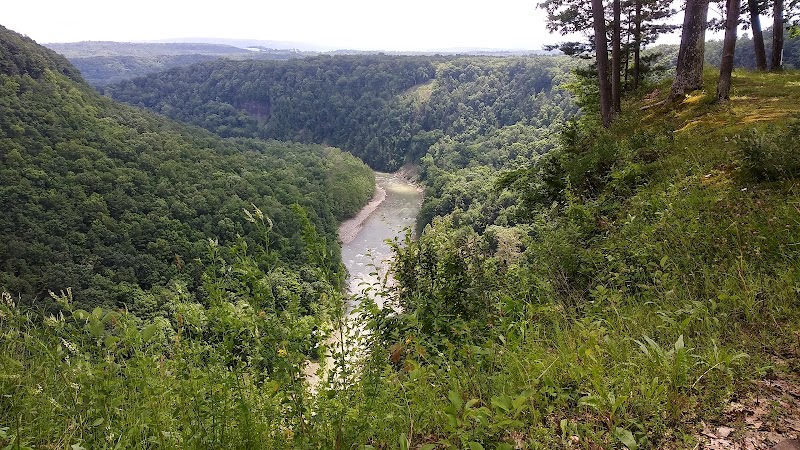
Key features of the site include the impressive 3,000-foot-long dam structure itself, which controls flooding along the river, and the calm, wide reservoir behind it. The area is rich in wildlife, including migratory birds and native fish species, thriving around the reservoir and adjacent woodlands. Seasonal wildflowers provide vibrant touches, especially in spring and summer, enhancing the visual appeal. Just south of Mount Morris Dam lies the renowned Letchworth State Park, sometimes called the “Grand Canyon of the East,” where visitors can enjoy waterfalls and deep gorges, complementing the dam experience with additional natural beauty.
Constructed in the 1950s, Mount Morris Dam has played a crucial role in flood prevention along the Genesee River while doubling as a recreational destination. Visitors come for hiking trails, fishing spots, and peaceful wildlife viewing. The site is accessible year-round and welcomes those interested in history, engineering, and nature. Mount Morris Dam’s unique setting, combining a functional water control project with outstanding natural scenery in upstate New York, makes it a must-see landmark in the Finger Lakes region.
Mount Morris Dam is an important engineering landmark and a pleasant outdoor area appreciated for fishing and gentle hikes but does not possess unique natural geological features essential for a high iconic natural landmark rating. It provides valuable recreational activities and scenic views within the region, but the dam and reservoir are human-made rather than naturally occurring formations, limiting its rating as a natural icon.