About This Adventure Destination
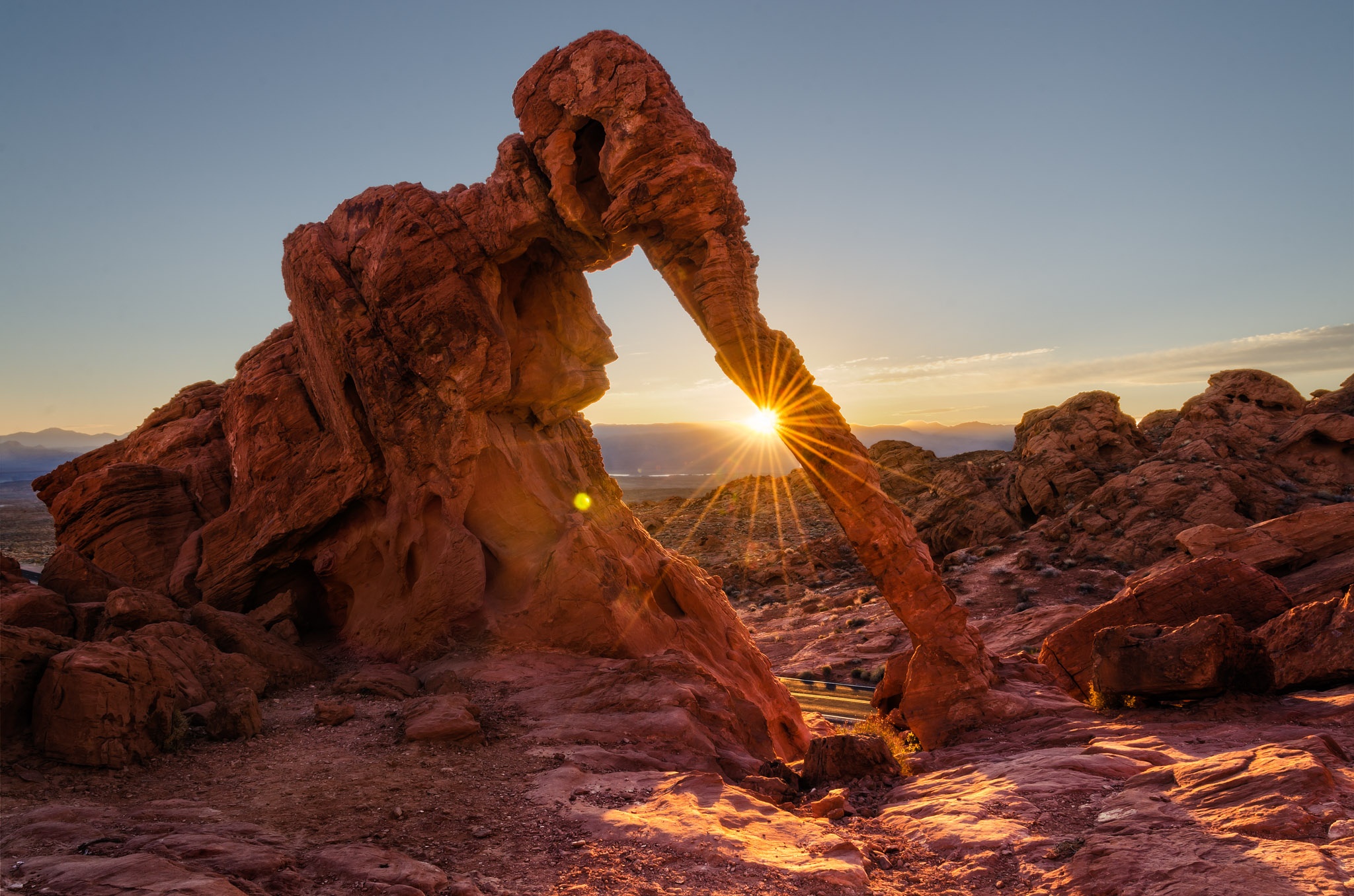
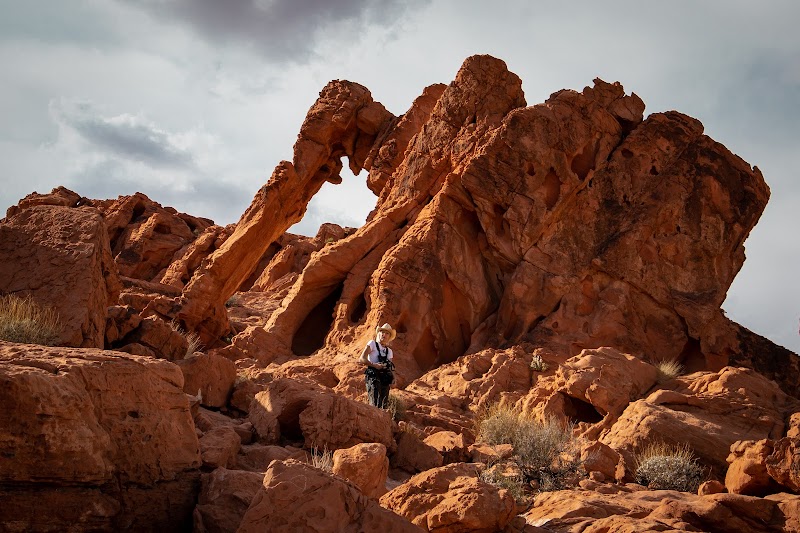
Elephant Rock is a striking natural sandstone arch located within the Valley of Fire State Park near Overton, Nevada. This unique rock formation resembles the shape of an elephant with its trunk raised, making it one of the most photographed landmarks in the park. The arch is situated amidst red-orange sandstone outcrops that date back over 150 million years, showcasing the power of natural erosion and weathering. The intense colors of the rock, combined with the desert backdrop, create a captivating scene that draws nature lovers and photographers alike.
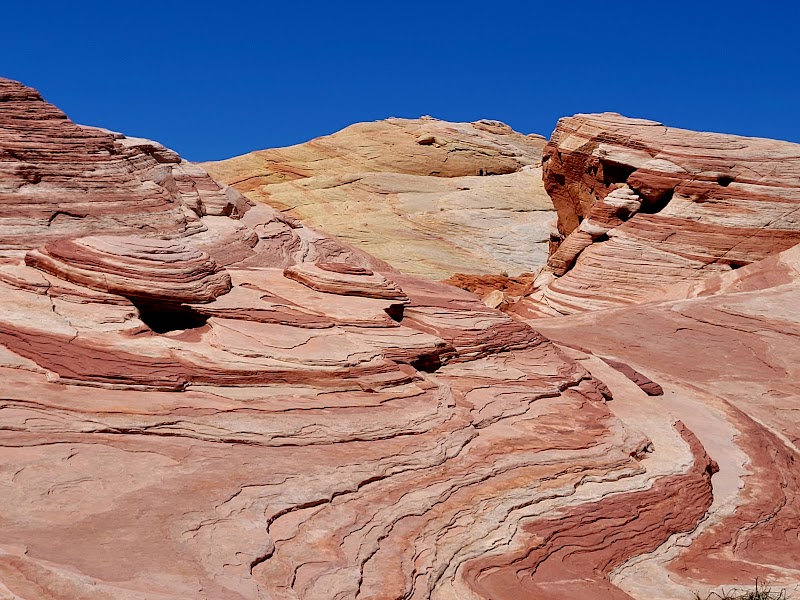
This part of the Mojave Desert offers rugged landscape with a mix of geological wonders including petroglyphs, domes, and beehive-shaped rock formations. Elephant Rock stands out due to its distinctive shape and easy accessibility near the park’s entrance. The rock's surface textures and the surrounding sparse desert vegetation provide excellent opportunities to appreciate natural desert ecology. Valley of Fire, Nevada’s oldest state park established in 1935, holds cultural significance due to ancient Native American petroglyphs found throughout the area. Visitors can witness the blend of natural beauty and historical insight here.
Elephant Rock is perfect for those seeking a peaceful natural landmark close to a major city. Its vibrant colors during sunrise and sunset are especially stunning, making it a must-see highlight when visiting the region. The site is gentle enough for casual walks, allowing visitors of all fitness levels to enjoy this geological marvel in the American Southwest.
Elephant Rock offers a visually stunning and accessible natural arch amid a dramatic desert landscape. While it fascinates with its unique shape and colorful sandstone, it is part of a larger but less extensive network of formations compared to the world’s most famous natural arches. Its proximity to Las Vegas and easy trails make it a popular stop for visitors seeking scenic hikes without intense difficulty, yet it remains somewhat lesser-known on a global scale, thus rating well but not reaching the highest tier reserved for more massive or geologically complex landmarks.