About This Adventure Destination
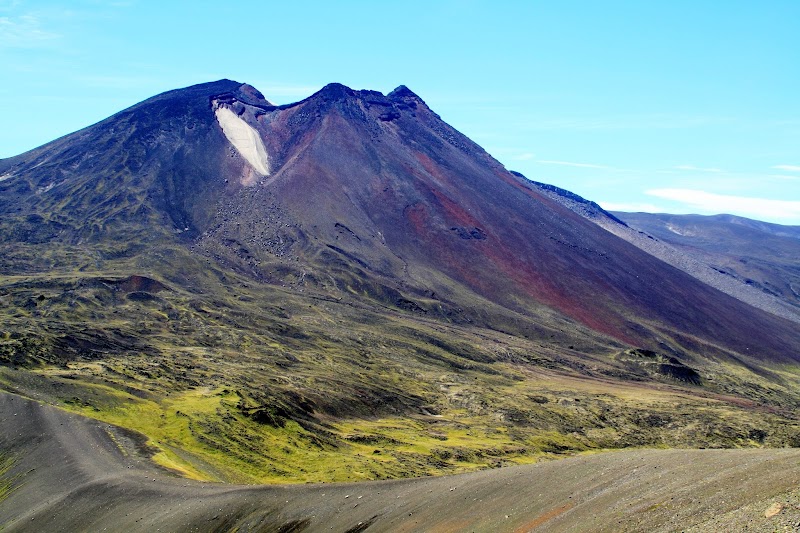
Casablanca, situated in the Los Lagos region of Chile near Puyehue, presents a stunning natural volcanic mountain landscape that captivates travelers looking for remarkable outdoor scenery. This area is distinguished by its rugged volcanic peaks, including remnants of lava flows and ash deposits that paint the mountainside in deep earthy tones with unique reddish and charcoal hues. The wide slopes and distinct rocky textures are indicative of the region’s volcanic activity, notably associated with the nearby Puyehue-Cordón Caulle volcanic complex. This geological formation creates a dramatic and impressive backdrop, rare to find in this part of southern Chile.
The vegetation around Casablanca includes patches of resilient alpine flora adapted to the volcanic soil, offering a glimpse into the ecosystem's ability to thrive in seemingly harsh conditions. Visitors can appreciate the vast expanses of volcanic rock interspersed with green areas that contribute to the area's wild and untouched atmosphere. The mountain’s history intertwines with the larger volcanic events in the region, notable for eruptions in recent decades that have shaped both the landscape and local culture, impacting tourism and natural studies alike.
This site enables visitors to witness firsthand the force of nature through unique volcanic features and remarkable terrain diversity. Its accessibility from Puyehue makes Casablanca an attractive destination for those seeking a quieter, less commercialized experience where geological wonders and natural beauty combine without crowding. The wide open sky and natural textures make it a compelling spot for photographers, hikers, and nature enthusiasts interested in volcanic landscapes far from the usual tourist paths.
Casablanca offers a distinctive volcanic mountainous landscape unique to the southern Chilean region, appealing mainly to nature lovers and hikers interested in geology. While it is a striking natural destination with impressive terrain and volcanic features, it lacks the global fame or extreme uniqueness required for higher recognition. The area is somewhat lesser-known and less frequented by international travelers, which affects its iconic status. However, it remains an important and rewarding site for those seeking authentic volcanic mountain experiences off the beaten path.