About This Adventure Destination
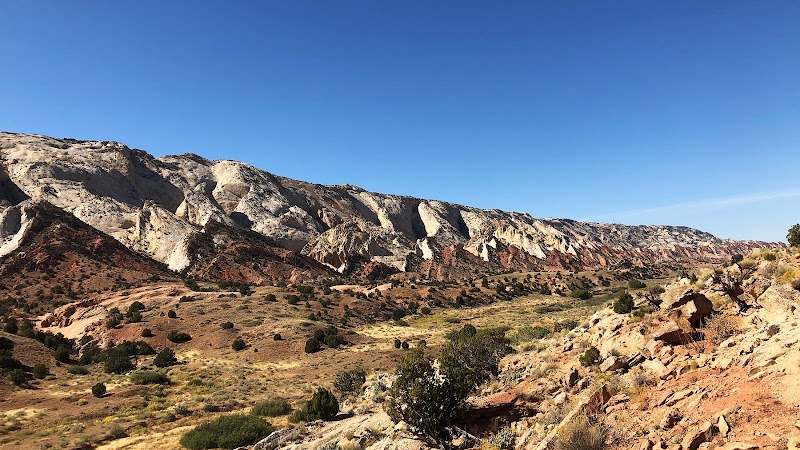
Located in the heart of south-central Utah, Capitol Reef National Park is a captivating natural area renowned for its dramatic sandstone cliffs, deep canyons, and the unique Waterpocket Fold, a nearly 100-mile long wrinkle in the Earth’s crust. This park stands out with its vivid red rock formations and sprawling desert landscape that invite admiration from hikers, photographers, and geologists alike.
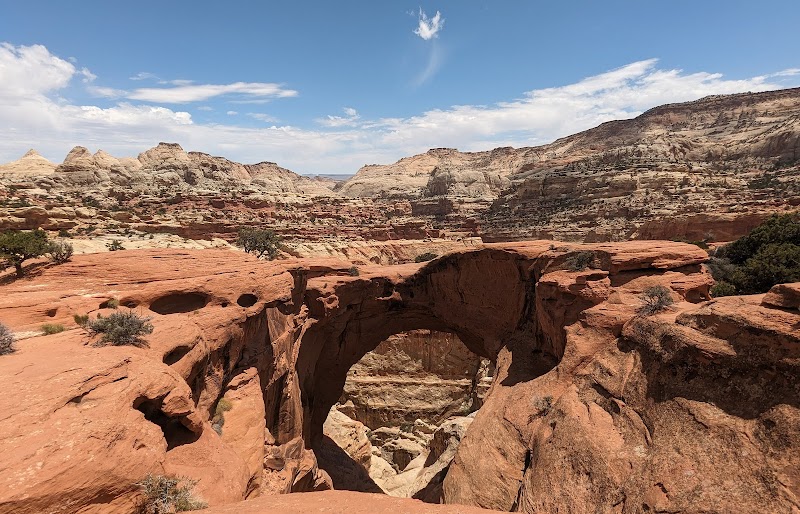
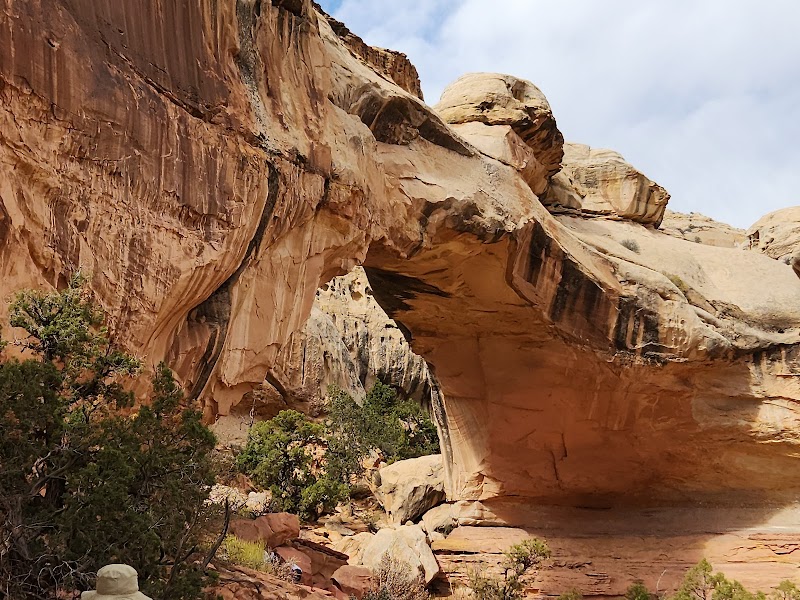
At Capitol Reef, visitors witness prominent features such as the towering Capitol Dome, resembling the U.S. Capitol building, and the graceful Hickman Bridge, a natural rock arch formed by centuries of erosion. The park’s geology is remarkably diverse, showcasing exposed layers of sandstone, siltstone, and shale dating back over 200 million years, revealing the story of shifting seas and ancient deserts.
The surrounding terrain includes narrow slot canyons, open orchards planted by early Mormon settlers, and isolated mesas topped with cryptobiotic soil. The park is also a hotspot for desert flora and fauna, including various cacti, wildflowers, and desert bighorn sheep. Historical remnants like petroglyphs carved into rock surfaces highlight the human connection to this land dating back thousands of years.
Established as a national park in 1971, Capitol Reef offers a striking contrast to Utah’s more famous parks, with fewer crowds and an equally impressive variety of natural landmarks. This destination provides both serenity and adventure amid vast wilderness and colorful rock formations that consistently amaze visitors from around the world.
Capitol Reef National Park offers uniquely beautiful geological formations and diverse natural features that provide memorable hiking and sightseeing experiences. Its relative tranquility compared to other Utah parks adds to its charm, though it is less internationally renowned. This balance makes it a highly worthwhile visit for those seeking natural wonders, earning it a strong but slightly lower score than the most famous landmarks globally.