About This Adventure Destination
A Sanctuary in Vero Beach, Florida
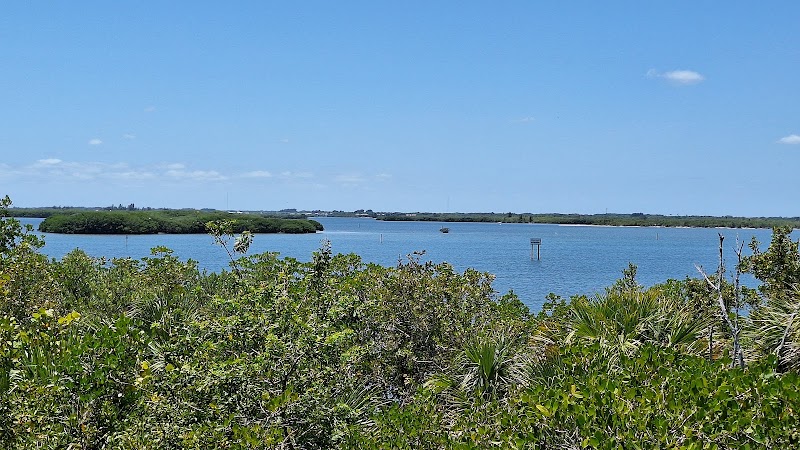
Pelican Island National Wildlife Refuge, located near Vero Beach along Florida’s Atlantic coast, is a premier destination for nature lovers and bird watchers. Established in 1903, it holds the distinction of being the first National Wildlife Refuge in the United States. This protected area was created primarily to safeguard the brown pelican populations that were rapidly declining due to hunting and habitat loss. Covering around 5 square miles of estuarine mangrove islands and waterways, this refuge stands out for its abundant birdlife and critical role in conservation.
Key Features and Natural Highlights
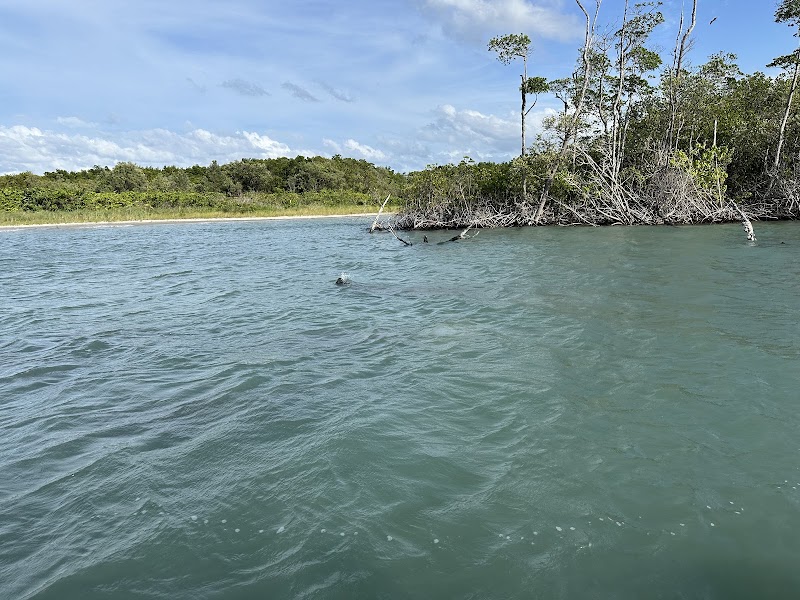
The refuge consists of mangrove islands surrounded by calm, shallow waters, which provide perfect nesting and feeding habitats for a variety of birds. Visitors often spot species such as brown pelicans, herons, egrets, roseate spoonbills, and numerous migratory birds. The lush mangroves contribute to a rich ecosystem supporting not just birds but also fish, crustaceans, and other wildlife. Kayaking or boat tours offer peaceful views and access to this unique coastal environment. The refuge's historical significance as a model for conservation efforts makes it a significant location in American environmental history.
Visitor Experience
This refuge offers a quiet, scenic escape ideal for visitors interested in birdwatching, photography, and enjoying undisturbed natural habitats. Educational signage and occasional guided tours help guests understand the importance of wildlife preservation. Quiet observation, particularly during early morning or late afternoon, provides the best chance to witness the diverse bird colonies. This unique blend of ecological importance and accessibility makes Pelican Island a standout natural destination on Florida’s east coast.
Pelican Island National Wildlife Refuge scores highly due to its historic importance as the first U.S. National Wildlife Refuge and its vital role in coastal bird conservation. The rich mangrove ecosystem and excellent birdwatching opportunities make it a unique natural destination in Florida, especially for wildlife enthusiasts. While not featuring dramatic geological formations, its ecological value and tranquil setting offer a rewarding outdoor experience.