BARTLETT CLIMBING FIELD GUIDE
Winter on the Roof of the Northeast: A Day Ascending Mount Washington
An 8-hour guided winter mountaineering climb from Bartlett that teaches crampon and ice‑axe technique, winter navigation, and self‑arrest on New England’s highest peak.
Winter on the Roof of the Northeast: A Day Ascending Mount Washington.
Become a more experienced and responsible winter mountaineer on an all‑day guided climb of Mount Washington out of Bartlett. The outing moves above timberline into harsh alpine weather and focuses on decision‑making, winter navigation, and hands‑on practice with crampons, ice axes, and self‑arrest—an intense, focused introduction to winter alpinism.
Highlights
Outing Highlights
Hands‑on crampon and ice‑axe training
The guided day places emphasis on practical use of crampons and ice axes so participants can move and stop safely on icy winter slopes.
Winter navigation and self‑arrest practice
Learners practice route‑finding and self‑arrest techniques in winter conditions to build sound decision‑making skills in extreme alpine environments.
Mount Washington's alpine terrain
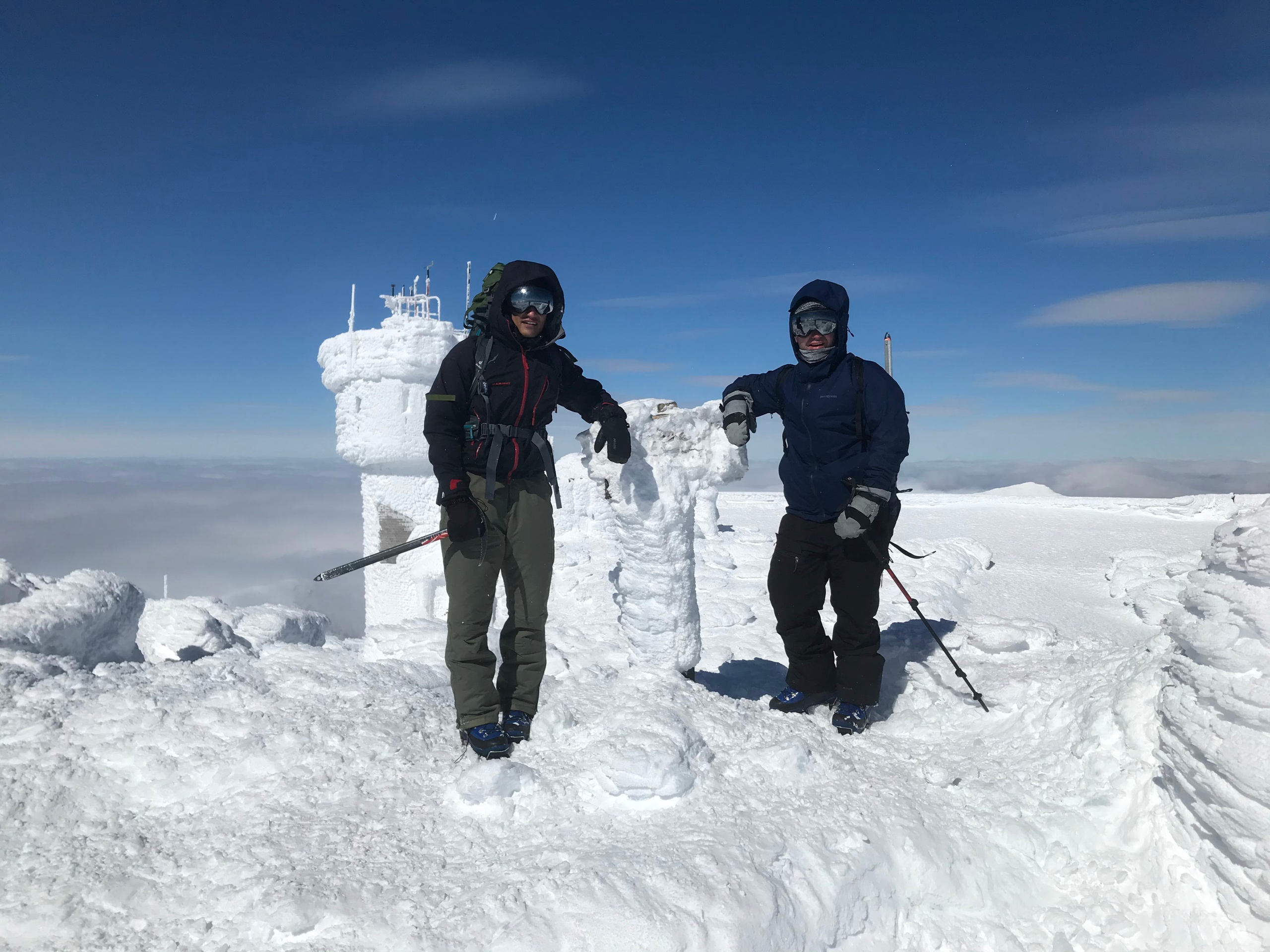
The route climbs above timberline on New England’s highest peak, exposing participants to the extreme weather and terrain that define Northeast winter mountaineering.
What the day feels like
What an 8‑hour ascent feels like
This is an all‑day winter climb that blends steady uphill travel with frequent technical instruction: gear checks and technique drills on the lower slopes, progressively more exposed travel and navigation practice as the route rises above timberline, and continued emphasis on self‑arrest and decision‑making in extreme alpine conditions.
Suitability
Who it's for
Who this day is for — and who should think twice.
Practical planner
Details to review before reserving
This is an all‑day outing with a stated duration of 8 hours.
Expect to use winter technical gear; participants should bring appropriate winter layers and be prepared to work with crampons and an ice axe as part of instruction.
The climb is run out of Bartlett, New Hampshire by the International Mountain Climbing School.
Review cancellation policies before reserving.
Frequently asked questions
Planning Your Outing
How long is the Mt. Washington Ascent?
The outing is an 8‑hour, all‑day climb.
Do I need prior mountaineering experience to join?
No prior mountaineering experience is required, but participants should be physically prepared for a rigorous day in winter conditions.
What skills will I practice on the climb?
The day focuses on crampon and ice‑axe technique, self‑arrest practice, and winter navigation and decision‑making in alpine conditions.
Where does the climb take place?
The ascent is on Mount Washington, with logistics based out of Bartlett, New Hampshire.
Who operates this guided climb?
The International Mountain Climbing School operates the Mt. Washington Ascent.
Will I encounter extreme weather?
Participants should expect extreme alpine conditions above timberline and train for decision‑making in those environments.