Top Canoe Adventures in Anthony, Florida
Anthony Canoe Guide

Top Canoe Adventures in Anthony, Florida

Anthony is a low-profile gateway to Central Florida’s spring-fed waterways: shallow runs, tannin-stained creeks, and wide lake basins that reward a canoeist’s patience with glassy reflections, wading birds, and the measured slide of an oar. This guide focuses on canoeing experiences accessible from Anthony—short discovery paddles, half-day meanders, and multi-launch options that pair easily with hiking, birding, and spring visits in nearby Ocala National Forest.

Ocala National ForestSilver Springs & Spring RunsOcklawaha RiverLake Weir

Live destination inventory

Top Canoe Trips in Anthony

8 trips · Book with confidence · Instant confirmation

The prototype intentionally does not invent replacement trip cards or add images that are not already part of the live source page.

The city from the water

Why Canoeing Near Anthony Feels Like Florida Unplugged

Paddling out of Anthony is an exercise in quiet observation. The town itself is modest—a crossroads that opens onto an older Florida of marsh edges, pine scrub, and spring-fed runs—so a canoe trip here never feels manufactured for tourism. The water is the reveal: places buckling into tannic tea, other pockets so clear you can read the carp’s flank as it tucks among submerged grasses. The geology—the karst and springs that define Central Florida—means shallow channels, rapid changes in bottom conditions, and a braided network of sloughs that reward local knowledge. Canoeing here is less about whitewater heroics and more about timing, light, and patience. On a late-winter morning a paddle can feel cinematic: fog lifting off a spring boil, herons jabbing the shallows, and the odd splash of a turtle slipping into cover. Spring seasonality matters: after heavy rains the Ocklawaha’s backwaters broaden and weak current appears in places that are usually still; in drier months, spring heads and clear runs become the magnet for paddlers seeking translucence and cooler water. The region’s human history lives quietly along the banks. Indigenous Timucuan pathways once threaded through these wetlands; later, steamboats and logging skiffs used wider channels. Today, small local launches, roadside put-ins, and adjacent state-managed lands offer access without the trappings of big-river outfitters. That means more solitude, but also more need for planning—shuttles, water level checks, and awareness of privately posted shorelines. Canoeing here pairs naturally with other slow adventures: a morning paddle followed by a walk in Ocala National Forest’s scrub ridges, or combining a spring-run float with a visit to local state parks and wildlife refuges. Wildlife watching is exceptional—wading birds, otters, turtles, and the occasional alligator that treats paddlers with casual interest rather than aggression if given space. For photographers and naturalists, the light that filters across the low canopy and reflects off tannic water is a consistent draw. For families and first-timers, sheltered lake basins near Anthony provide forgiving water and easy turnarounds; for experienced paddlers, multi-launch routing across connected lakes and spring runs can stretch into a full-day navigation puzzle. The practical payoff of canoeing in and around Anthony is the of-the-moment nature of each trip. Water levels, wind, and seasonal vegetation reshape routes from month to month, so a local map and a flexible itinerary are as useful as a whitewater technique. This isn’t a place for pushing gear limits; it’s a place to slow down, read water, and stack small pleasures—clear springs, a bird’s wingbeat, and the satisfying rhythm of low-angle strokes along quiet shorelines.

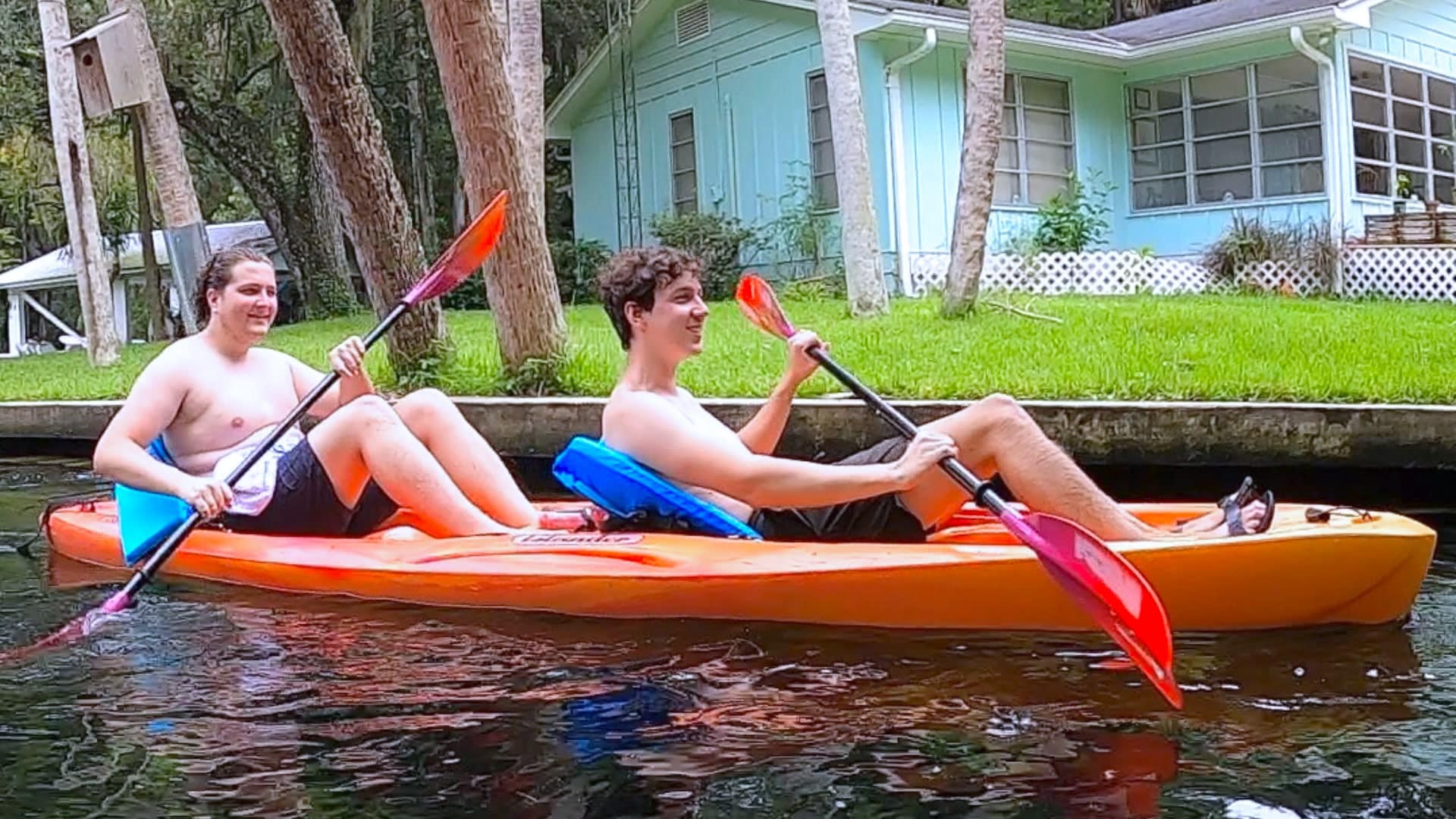
The variety of canoe experiences is a quiet strength: short discovery loops on spring runs, long lake crosses with shallow shoals, and braided wetlands that require basic route-finding. Many paddles are flatwater or gentle current, accessible to beginners with some on-water instruction.

Seasonal changes matter here: late winter and spring favor clarity and cooler paddling; summer brings heat and afternoon thunderstorms; fall can offer dead-calm water and migrating bird concentrations. Expect wind to influence exposed lake crossings and plan for low water or new obstructions after droughts or storms.
Activity focus

Choose by purpose

Whale watching, snorkeling, sunset sailing, cultural canoeing, harbor sightseeing, or private chartering.

Departure hubs

Start near the city

Waikiki and Honolulu Harbor are primary hubs, with some trips launching near Hanauma Bay.

Accessibility

Confirm the vessel

Gangways, shaded seating, and boarding requirements vary according to vessel size and operator.

Seasonal planning

Best Time to Visit

Anthony is warm year-round, but wind, swell, migration, visibility, and demand change the best match between traveler and trip.

Anthony boat tour
Year-round destination

Seasonal highlights change the reason to go

Winter favors humpback encounters; warmer, calmer months favor snorkeling visibility and smoother water.

Humpback season

Spring (March–May) for water clarity and comfortable paddling conditions.

Prime whale watching, winter holidays, higher demand, and earlier sell-outs.

Snorkeling window

March–April–May–October–November

Typically gentler seas and clearer water for snorkeling trips.

Weather notes

Trade winds year-round

Spring offers comfortable temperatures, clear spring runs, and lower chance of afternoon storms than summer. Summers are hot with frequent thunderstorms; fall brings drier air and bird migrations. Wind can make exposed lake crossings challenging any time of year.

Quieter opportunities

Late spring & summer weekdays

Late fall and winter provide quiet waterways and crisp mornings for wildlife viewing; summer early mornings offer solitude before storms.

Match the trip to your comfort

Choose Your Experience Level

Low effort

Beginner

Calm, sheltered lake basins and short spring-run loops with minimal current—ideal for families and first-timers learning basic strokes and re-entry.

  • Short spring-run discovery paddle
  • Protected lake loop with frequent shore options
  • Guided gentle float focusing on birds and springs
Active day trip

Intermediate

Longer lake crossings, braided wetland navigation, and paddles that require route-finding, wind management, and basic shallow-water poling techniques.

  • Half-day lake-to-spring routing with a shuttle
  • Backwater exploration of braided sloughs
  • Early-morning birding paddle across open water
Longer or technical

Advanced

Extended link-ups of multiple springs and rivers that demand endurance, shuttle logistics, precise launching/landing, and the ability to handle variable wind and shallow shoals.

  • Full-day multi-launch route combining lakes and spring runs
  • Navigation-focused paddles in low-water conditions
  • Solo expedition-style day with immersion in remote backwaters

Prepare for sun, spray, and swell

What to Bring

Essential

Core kit

  • Low-profile canoe or tandem kayak with secure flotation
  • USCG-approved life jacket for every paddler
  • Dry bag for phone, map, sunscreen, and snacks
  • Paddle, spare paddle, and basic repair kit
  • Plenty of water and sun protection (hat, sunglasses, SPF)
Recommended

Useful extras

  • Topo or waterway map (paper or offline app) showing springs and access points
  • Lightweight throw rope and small bilge pump
  • Insect repellent (especially in warmer months)
  • Light rain shell for sudden storms
Optional

Trip-specific

  • Binoculars for birding
  • Polarized sunglasses to read submerged hazards
  • Camera with protective case
  • Small first-aid kit with sting relief
Check current launch conditions, private property postings, and local park hours before heading out.

Insider Tips & Local Knowledge

Reserve whale-watching and popular sunset cruises well ahead during December–April.
Choose morning snorkeling departures for calmer seas and better underwater visibility.
For motion sensitivity, choose a larger vessel, sit mid-ship, and take preventative medication before boarding.
Do not touch coral or wildlife, avoid standing on reefs, and use reef-safe sunscreen.
Community-based operators may add context about traditional navigation and stewardship.
Arrive early for parking and check-in because Waikiki departure areas can be busy.

Planning questions

Frequently Asked Questions

Most public launches and state park spring accesses do not require a special canoe permit for day use, but some managed springs or parks may charge entrance fees. Check the managing agency for the specific launch you plan to use.
Top Canoe Adventures in Anthony, Florida
Ready for your canoe adventure?

Browse 8 verified trips in Anthony.

Compare current availability and book with instant confirmation.

Explore Anthony canoe