Why Dolphin Watching Near Anthony Is Special
There’s a subtle cruelty to the idea that the best nature moments are only for the far-flung few. The quieter truth is that some of the most memorable wild encounters are surprisingly local—short drives that land you on a salt-scented shoreline or a shallow estuary at the exact hour when dolphins punch the water’s surface and the light turns cinematic. For residents and visitors using Anthony as a base, the value lies in access: a town that sits inland enough for calm, centered starts but close enough to Florida’s coastal corridors to make morning departures and sunset returns feel effortless. That proximity transforms a dolphin outing from a logistical expedition into a practical, repeatable adventure you can build into a weekend or a week of mixed activities.
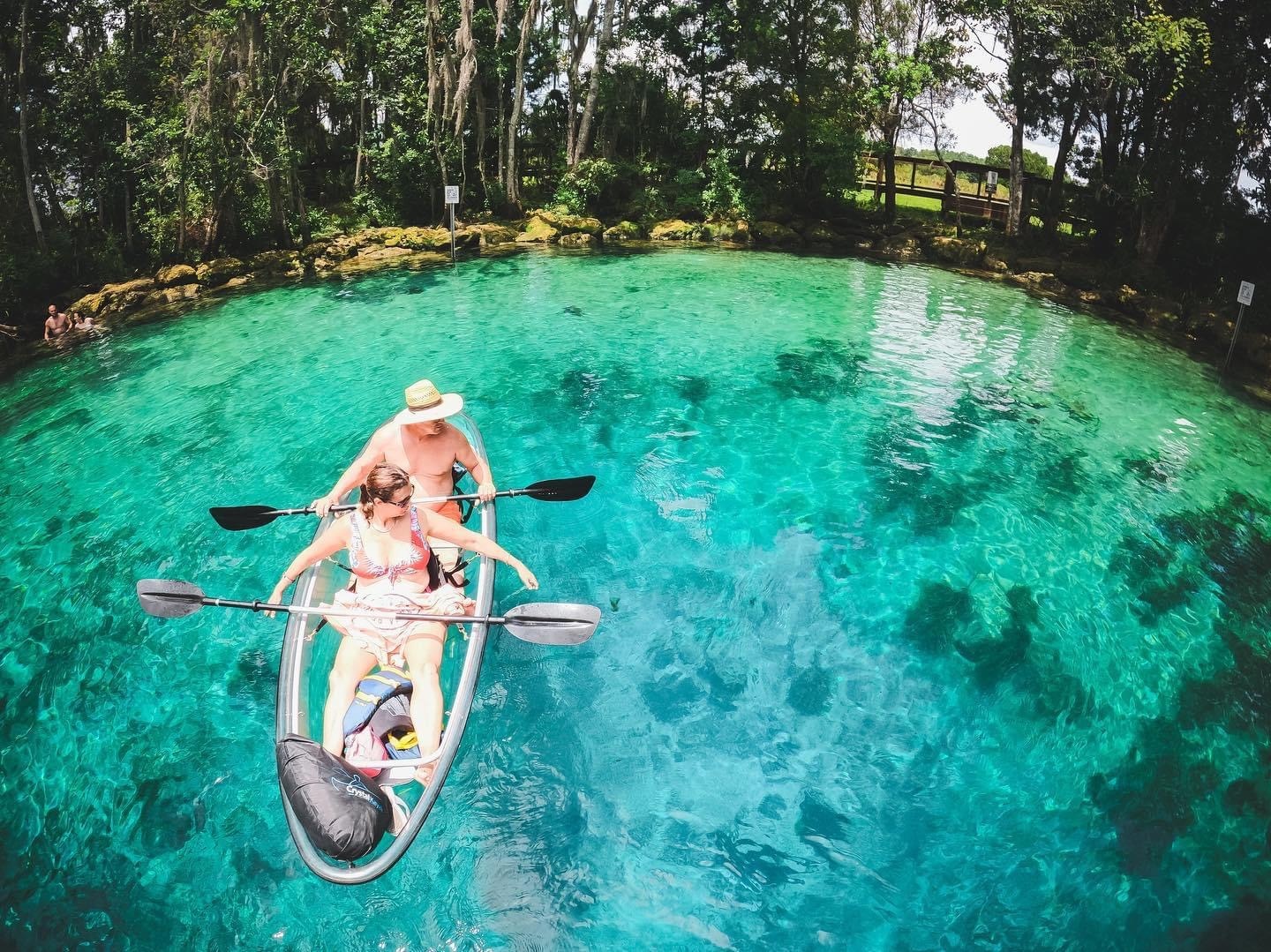
Dolphin experiences here are not one-size-fits-all. They run the gamut from family-friendly glass-bottom-boat or skiff tours to lean, contemplative approaches by kayak and stand-up paddleboard. Each method offers a different rhythm and intimacy. Boat-based trips cover ground fast and place you where dolphins hunt and socialize; paddlesports slow you down to the dolphins’ tempo and heighten sensory detail—their quick exhalations, the way a slick back knifes through brackish water, the high kind of intelligence held in a single, steady eye. For photographers and naturalists, that difference matters: fast tours yield action and range, paddlesports yield stillness and context. In practical terms, choosing your approach depends on comfort level on the water, the desired proximity, and how much other adventure you want—pairing a dolphin morning with an afternoon of coastal birding, shelling, or a shallow-water snorkel is common.
Beyond the spectacle itself, these outings are instructive: dolphin behavior, seasonal movement patterns, and the health of the local marine environment are all visible in real time. Guides and naturalists who operate near Anthony often layer trips with brief ecology lessons—how estuaries serve as nurseries, why boat speed matters, and what food sources attract these mammals. Ethical viewing is front-and-center; keep distance, reduce noise, and let the animal choose the encounter. For planners, that translates to a few clear takeaways: pick a time of day that matches the animals’ activity, match your craft to your tolerance for motion, and prioritize operators who emphasize conservation. With nine curated trip options available from the Anthony area, travelers can compare vessel types, group sizes, and complementary activities to craft a dolphin experience that feels both effortless and responsibly minded.
Dolphin trips from Anthony are best thought of as short, concentrated adventures that slot easily into broader itineraries: morning dolphins and afternoon estuary paddles, or sunrise tours followed by coastal hiking and evening photography.
Local operators tend to focus on low-impact viewing: smaller boats, no-chase policies, and short educational briefings that leave you with a better understanding of local marine life and what keeps coastal ecosystems resilient.