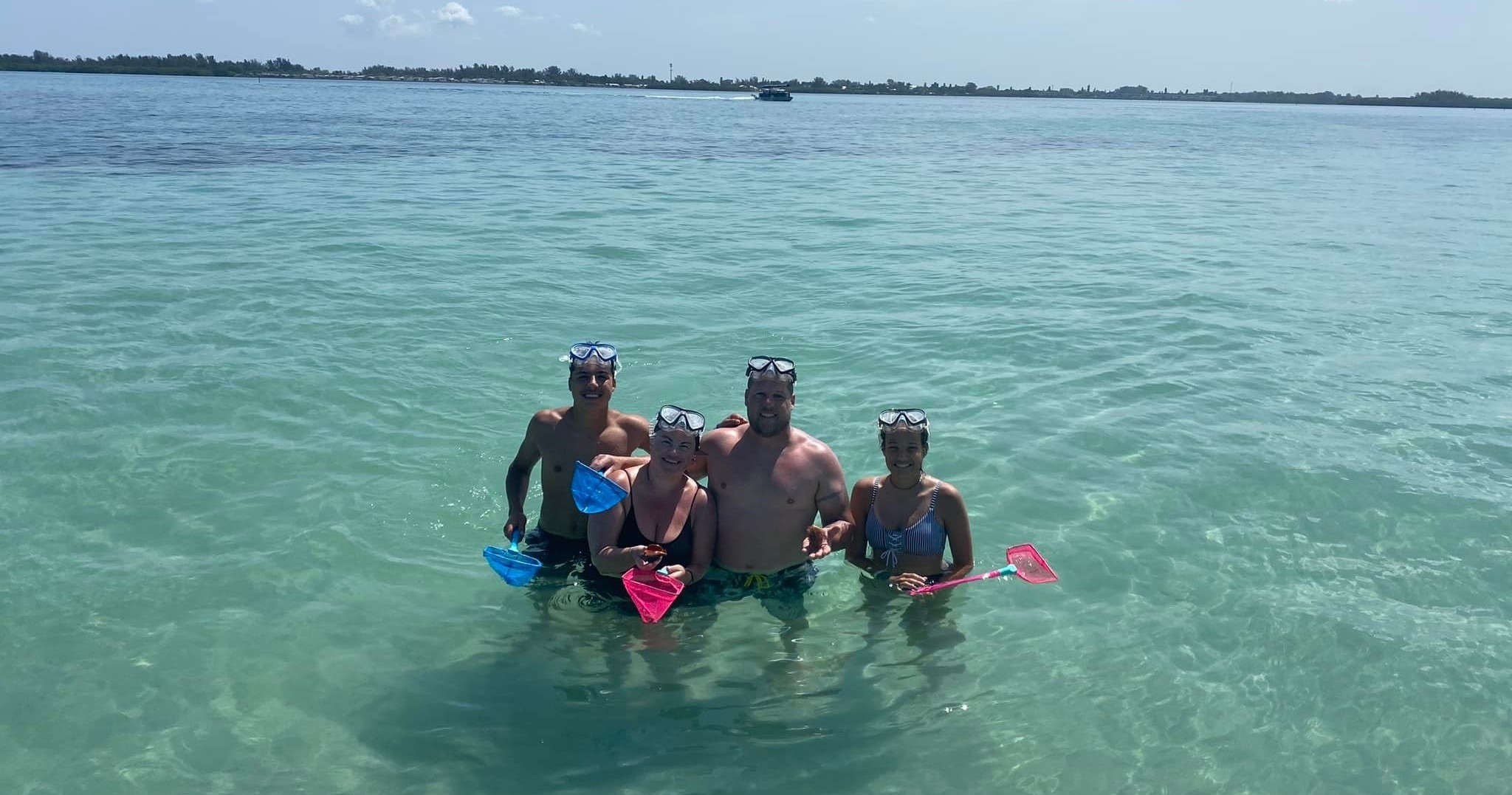
Arcadia’s snorkeling appeal is quietly regional rather than postcard-perfect: it’s about the ecology of transition zones and the human-scale waterways that connect inland Florida to the Gulf. The town itself sits on the Peace River, a sinuous artery that has carried water, fossils, and life from the interior to the harbor for millennia. For snorkelers who enjoy variety—freshwater springs and runs one day, brackish flats the next—Arcadia functions as a practical staging ground. You can begin a morning with a shallow, calm river stretch where submerged limbs and limestone shelves create microhabitats for sunfish, gar, and the occasional armored catfish; by afternoon, with a short drive and a local guide or small boat, you can be glassing across a seagrass plain along the greater Charlotte Harbor estuary where juvenile snook, mullet, and small rays feed in the shallows.
The experience here rewards attentiveness more than theatrics. Visibility shifts with rainfall and tide; sometimes the river is tea-colored with tannins that soften the light but concentrate life along visible edges. Other times, after dry weeks or in spring-fed runs that pour clear groundwater into the system, you’ll find surprising clarity and the chance to see submerged limestone, freshwater plants, and small spring fish in crisp detail. That variability attracts a certain traveler: someone who prefers learning systems—how tides pull and push nutrients, how seagrass beds nurse young fish, how mangrove roots function as nursery architecture—over scanning for a single checklist species. Complementary activities magnify the value of a snorkel-focused trip: canoeing or kayaking to reach quiet put-ins, fossil-hunting along sandbars exposed at low water, birding mangrove edges for roseate spoonbills and herons, and even guided shelling or inshore fishing trips that reveal the same habitats from different perspectives.
Practicality matters: many snorkeling opportunities near Arcadia are accessed from small, improvised ramps, private launches, or guided charters; public beach infrastructure like large tourist piers is limited in-town. That makes planning—timing trips for favorable tides, understanding boat traffic patterns, and considering a guide for unfamiliar estuaries—more important than in destinations where snorkeling is purely a shore-based activity. It also means that conservation ethics are central. The estuarine flats and freshwater springs are productive but fragile; seagrass is easily damaged by fins, and manatees and other protected species require distance and attention. A successful Arcadia snorkel is therefore equal parts observation and restraint: skillful swimming in variable water, a readiness to switch from mask to paddle when currents pick up, and a curiosity about the broader coastal system that will keep travelers returning to different waterways as seasons change.
Arcadia sits within a radius of diverse snorkel habitats—tea-stained river channels, clear spring runs reachable by drive, and Gulf-side estuaries—making it a practical base for mixed freshwater/brackish itineraries.
Visibility and species composition shift with rainfall and tidal cycles; planning around low wind and stable weather maximizes clarity.
The harbor is the gateway, and the Pacific becomes the classroom.
Local operators often combine snorkeling with paddling, fossil tours, and birding, creating layered half-day or full-day trips focused on natural history.
Choose by purpose
Whale watching, snorkeling, sunset sailing, cultural canoeing, harbor sightseeing, or private chartering.
Start near the city
Waikiki and Honolulu Harbor are primary hubs, with some trips launching near Hanauma Bay.
Confirm the vessel
Gangways, shaded seating, and boarding requirements vary according to vessel size and operator.