Kayak in Bartlett, New Hampshire

Read the destination guide ↓
Popular Activities
More activities
0 adventures loaded
Kayak in Bartlett, New Hampshire
Bartlett Kayak Guide

Kayak in Bartlett, New Hampshire

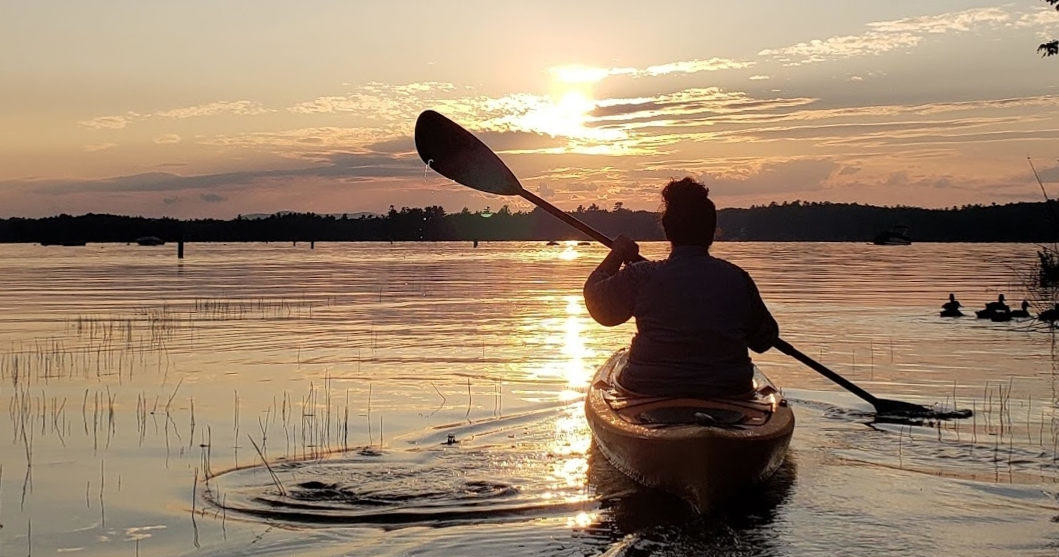
Bartlett is a compact launchpad for paddlers who want to pair river runs with mountain scenery. From slow, reflective stretches of the Saco River threading birch and pine to brisker current sections and nearby stillwater ponds, kayaking here rewards curiosity: short exploratory trips, half-day guided floats, and technical runs for those chasing moving water. The region’s seasonality—spring high water, summer flatwater, and fall foliage—shapes every paddle.

Saco RiverWhite MountainsKancamagus Corridor
By Robert Eric CrewsFounder & Editor, The Adventure Collective

Kayak in Bartlett

Why Bartlett Is a Standout Kayaking Destination

Bartlett sits at the hinge of mountain and river, where the White Mountains spill runoff into channels that have long guided both people and wildlife. For paddlers, that geography translates to variety: quiet, tree-lined flats perfect for learning or photography; faster-moving stretches that reward edging and boat control; and small, sheltered lakes for mellow family mornings. The town’s human scale—small villages, a scattering of public launches, and a short drive to the Kancamagus Highway—makes it easy to combine a morning paddle with an afternoon hike or a scenic drive.

Spring in Bartlett often means high, clear water where even short runs feel like true river trips. As flows settle into summer, ponds and backwater channels become magnets for wildlife and for paddlers seeking calm—this is the season for drifting, birdwatching, and long reads on a rock. Fall folds the landscape into a ribbon of color; paddling beneath maples and birch during peak leaf season is quietly spectacular and often less crowded than nearby road viewpoints. Winter closes most on-water access, though late-autumn and early-spring windows can offer crisp, luminous days with low visitation.

Because Bartlett’s waterways cross privately held parcels and town lands, the best paddling often depends on picking the right put-in and reading the water. Local outfitters and town websites typically note access points, seasonal restrictions, and current conditions; guided trips are an efficient way to discover lesser-known stretches while leaving logistics to a local. Complementary activities are a major part of the appeal: a dawn paddle followed by a hike in the foothills, an afternoon at a nearby climbing crag, or an evening at a riverside campground. Practical planning—timing your trip for low wind on open lakes, checking water levels on rivers, and packing for changing weather—keeps a Bartlett paddle feeling like an easy, immersive way to experience the White Mountains’ quieter side.

Access and scale are the strengths here: short drives connect different water types, so you can mix a placid lake morning with a more technical river section in a single day.

Seasonal shifts make every month feel different—spring offers energy and current, summer brings tame flats and wildlife, and fall provides striking color and cooler, cleaner air.

Local outfitters and guide services simplify logistics and can tailor trips to ability, from family-friendly floats to skills-focused runs.
Seasonal planning

Best Time to Visit

Seasonal conditions and travel timing in Bartlett.

Bartlett Kayak
Seasonal planning

Bartlett throughout the year

Late spring brings higher, swifter river conditions that are ideal for moving-water paddles; summer yields warmer water and calmer lake conditions; fall provides crisp air and vivid foliage. Afternoon thunderstorms can develop in summer—plan early starts for exposed lakes and higher-elevation put-ins.

Peak season

Late June through early September for general recreation; mid-October for leaf-peeping paddlers.

Popular travel period with peak availability and booking demand.

Best months

May–June–July–August–September–October

Optimal seasonal conditions for outdoor trips.

Weather notes

Late spring brings higher, swifter river conditions that are ideal for moving-water paddles; summer yields warmer water and calmer lake conditions; fall provides crisp air and vivid foliage. Afternoon thunderstorms can develop in summer—plan early starts for exposed lakes and higher-elevation put-ins.

Off-peak opportunities

Late spring can offer thrilling high-water runs for experienced paddlers. Early November and late April may provide solitude on lower-elevation lakes and protected river reaches when access is still open.

Match the trip to your comfort

Choose Your Experience Level

Low effort

Beginner

Calm lakes and slow, sheltered river stretches with minimal current—ideal for learning paddle strokes, safety basics, and day trips.

  • Short flatwater lake loop with beach access
  • Guided family float on a gentle river section
  • Sunrise paddle from a sheltered town launch
Active trip

Intermediate

Longer day trips with moderate current, some maneuvering around bends and obstacles, and potential portages. Good for paddlers comfortable with edging and basic river reading.

  • Half-day river run with a mix of flat and moving water
  • Cross-lake crossings in light wind conditions
  • Skill-building clinic with a local guide
Technical or extended

Advanced

Moving-water runs, higher spring flows, and technical stream sections that require confident boat control, swift decision-making, and rescue skills.

  • Technical river run in high spring flows (guided recommended)
  • Multi-section day combining moving water and short carries
  • Advanced skill sessions focusing on surf, eddy turns, and self-rescue

Prepare for your excursion

What to Bring

Essential

Core kit

  • Personal flotation device (PFD) rated for paddling
  • Helmet for moving-water trips (if applicable)
  • Dry bag for layers, food, and electronics
  • Water, snacks, and sunscreen
  • Footwear suitable for slippery put-ins and rocky shores
Recommended

Useful extras

  • Spare paddle and basic repair kit
  • Lightweight insulating layer (synthetic or wool)
  • Map or GPS with marked put-ins and nearby roads
  • Small first-aid kit and whistle
  • Phone in a waterproof case and a charged power bank
Optional

Trip-specific

  • Bilge pump or sponge for touring kayaks
  • Camera with floating strap or compact waterproof camera
  • Binoculars for birding along quiet shorelines
  • Thermal top or neoprene splash gear for early/late season trips
Check current water levels, weather, and access rules before launching. Local guides and town sites often post up-to-date conditions.

Insider Tips & Local Knowledge

Put-in choice makes or breaks a Bartlett paddle—select a launch that matches your skill and the day’s flow. Start early on open ponds to avoid afternoon wind. If you’re targeting moving water, spring runoff is lively but requires experience; hire a guide if you’re unsure. Dress for immersion in borderline temperatures and use layered, quick-drying fabrics. Respect private property and leave no trace at shorelines and informal access points. Finally, pair a morning paddle with a short nearby hike or a post-paddle stretch at a riverside cafe to round out the day.

Planning questions

Frequently Asked Questions

Many public launches are free, but some town beaches or managed lake accesses can charge parking or day-use fees. Check local town resources and landowner signage before launching.
Kayak in Bartlett, New Hampshire
Ready for your kayak adventure?

Browse trips in Bartlett.

Compare current availability and book with instant confirmation.

Explore Bartlett kayak →